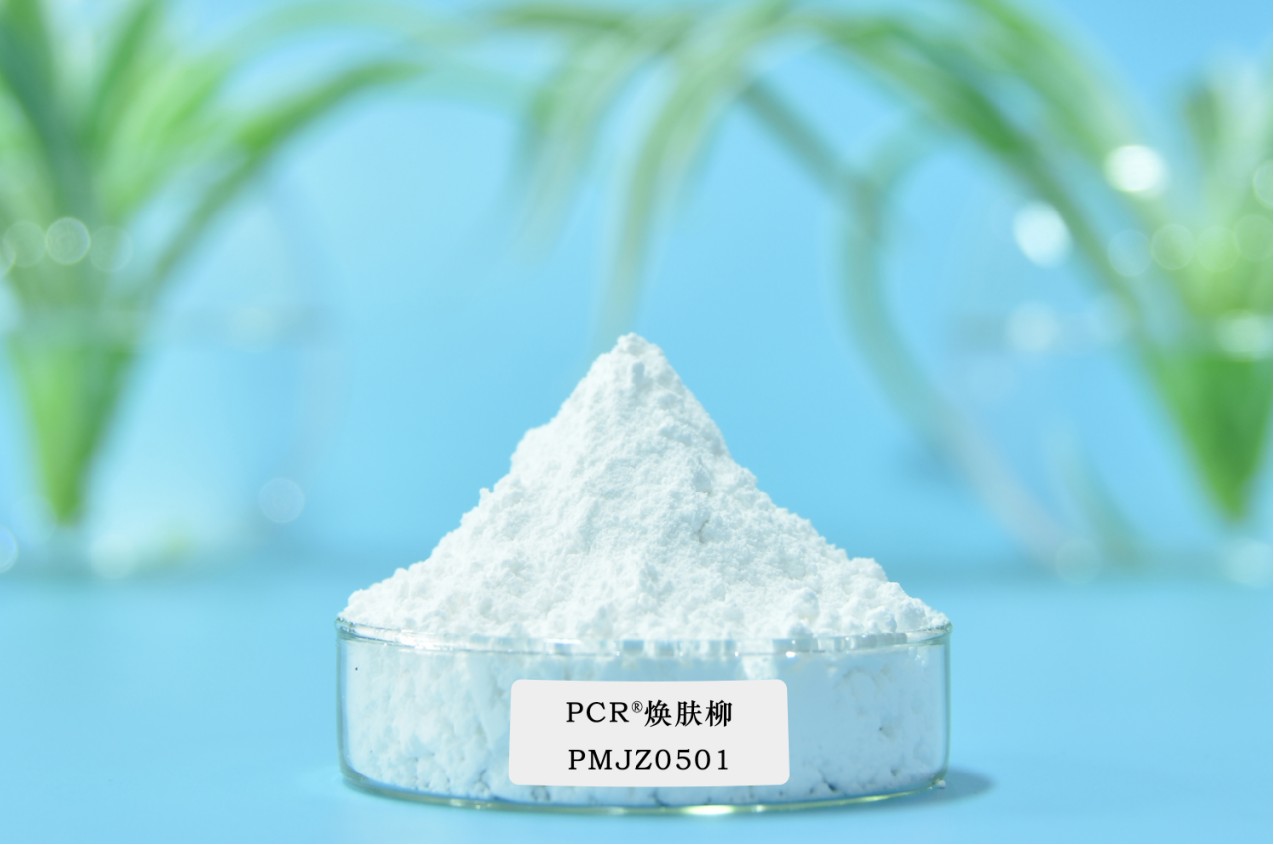
Q:Why does the ingredient list of PMRefresh® Willow include Hydroxypropyl Cyclodextrin? Will it trigger viscosity reduction or impart a sticky skin feel to the formulation?
A: Hydroxypropyl Cyclodextrin is incorporated to substantially enhance the dissolution stability of the product. The first-generation white willow bark extract exhibited solution instability upon standing after dissolution, turning hazy or generating minor precipitation. To address this, the second-generation PMRefresh® Willow utilizes supramolecular inclusion technology, leveraging Hydroxypropyl Cyclodextrin to encapsulate these unstable components and completely eliminate precipitation issues.
- Viscosity Reduction: While cyclodextrins inherently possess certain viscosity-lowering characteristics, Plamed’s formulation experience with a similar benchmarking ingredient featuring a higher cyclodextrin content (PMSoothe® Kava97) demonstrates zero viscosity-drop across the vast majority of thickening systems.
- Skin Feel: The raw material itself features high-purity salicin with negligible plant polysaccharide content, making it inherently non-sticky. However, because Hydroxypropyl Cyclodextrin falls under the oligosaccharide category, it may impart a slightly tacky feel in specific vehicle systems. This can be easily optimized during formulation design by adjusting polyols or incorporating lightweight emollient oils.
Q:Why is the price of PMRefresh® Willow slightly higher than some similar products on the market?
A: The pricing of PMRefresh® Willow is primarily driven by its proprietary technology and high standards of regulatory compliance regarding raw materials:
- Pioneering Supramolecular Inclusion Technology:Plamed is the first domestic manufacturer to develop supramolecular encapsulation technology for white willow bark extract. This breakthrough successfully resolves the industry-wide challenge of dissolution instability, which increases processing costs but guarantees superior quality in the final formulation.
- Commitment to Authentic Botanical Origins to Mitigate Regulatory Risks: Certain low-cost willow bark extracts in the market illegally source Salix bockii (commonly harvested in ShandongProvince) due to its lower cost and higher However, Salix bockii bark is not listed in China’s Inventory of Existing Cosmetic Ingredients (IECIC), posing severe legal and compliance risks for brands. Plamed consistently sources authentic, compliant Salix alba (White Willow) bark from the Qinling Mountains in Shaanxi Province. Despite the higher raw material costs, it thoroughly safeguards brands against regulatory liabilities.
Q: What is the solubility of PMRefresh® Willow in formulation applications? Do you have any dosage recommendations?
A: According to official solubility test reports, the maximum solubility of PMRefresh® Willow in deionized water at room temperature (23.6°C) ranges from 7g~7.5g/100g of water. If a customer experiences precipitation when preparing a high-concentration (10%) solution, this is a result of concentration supersaturation. Therefore, it is recommended that the maximum dosage in the aqueous phase at room temperature does not exceed 7.0g/100g of water (i.e., 7%).
Q: How is the formulation compatibility of PMRefresh® Willow? Is it stable in acidic or surfactant systems?
A: PMRefresh® Willow exhibits exceptional formulation compatibility. Initial compounding assays with commonly used thickening networks, preservative systems, humectants, polyols, and ionic systems have shown normal performance, with no compounding incompatibilities identified to date.
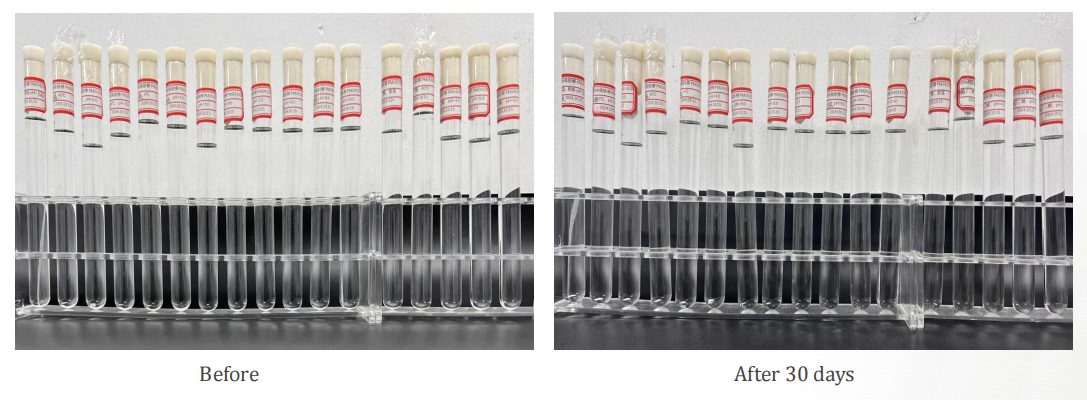
In Acidic Systems (e.g., pH4): Stability data indicate that the product remains physiochemically stable under accelerated aging conditions (45℃ for 9 months) at pH4. It can be safely incorporated into unthickened, transparent systems without experiencing any cloudiness or precipitation. If the formulation design dictates prolonged storage in highly acidic environments (pH 2.5 ~ 4), maintaining a pH above 3.0 is highly recommended.
Q: What is the ideal processing temperature for adding PMRefresh® Willow during manufacturing? What ingredients can it be compounded with?
A: It is recommended to introduce the ingredient during the final phase of manufacturing, when the batch temperature drops below 45℃. Although transient high temperatures during processing will not degrade the active molecules, low-temperature introduction ensures the long-term structural integrity of the supramolecular inclusion complex.In terms of compounding strategies, if a brand aims to design a product for consumers who require prolonged, continuous use of exfoliants, incorporating an appropriate dosage of Piper methysticum (Kava) extract is highly recommended. This combination delivers exceptional anti-irritation benefits, mitigating potential risks of skin discomfort caused by high-potency exfoliation and elevating the overall mildness of the product.
Q: Does PMRefresh® Willow contain any residual solvents? What quality standard does it comply with?
A: Ethanol is utilized as the processing solvent during the manufacturing of PMRefresh® Willow, but its residual amount is strictly controlled within 2000 mg/kg., fully complying with national regulatory mandates. Furthermore, potential risk substances such as methanol within the ethanol solvent are strictly monitored and restricted to 2000mg/kg in compliance with safety specifications. Plamed can provide an official Statement on Residual Solvents upon request.
The product complies with a Corporate Standard. However, the parameters of this enterprise standard are rigorously established based on the Chinese Pharmacopoeia, the Safety and Technical Standards for Cosmetics, and corresponding National Standards (GB), ensuring a quality profile far superior to standard market commodities.