The stratum corneum is a vital component of the skin barrier, as well as a key site of constant epidermal renewal. Under physiological conditions, corneocytes undergo a complete life cycle of formation, maturation, and desquamation, maintaining surface smoothness, radiance, and barrier stability through constant turnover. However, influenced by factors such as environmental stress, sebum secretion, chronological aging, and lifestyle, the rhythm of desquamation can be disrupted. This leads to the accumulation of hyperkeratotic corneocytes, which in turn triggers skin roughness, dullness, and clogged pores. Consequently, promoting the normal turnover of the stratum corneum has consistently remained a major research focus in the skincare industry.
Currently, mainstream exfoliation methods primarily rely on physical abrasion, chemical peeling, and enzymatic degradation. Because these methods depend on external intervention to induce forced corneocyte desquamation, they are prone to causing skin irritation. Therefore, balancing optimal exfoliating efficacy with a minimized risk of irritation has become a long-standing challenge for the industry.
Starting in 2020, the industry began pioneering the concept of “endogenous exfoliation.” Its core mechanism involves activating the skin’s inherent stratum corneum regulatory enzymes to promote the natural desquamation of corneocytes, thereby achieving “autologous skin renewal”. This fundamentally circumvents the irritation drawbacks associated with traditional methods. This paradigm shift has extended the scope of research from merely “removing keratin” to “managing stratum corneum renewal,” opening up new research avenues for solutions that deliver both potent efficacy and superior mildness.
Against this backdrop, Plamed has systematically explored the mechanistic foundation of endogenous exfoliation, offering a novel approach for developing products that reconcile exfoliating efficacy with skin tolerance.
From Endogenous Exfoliation to the Exploration of Active Ingredients in White Willow Bark
White willow bark extract has long garnered attention for its application in skin renewal. However, research regarding its precise mechanism of action remains relatively limited. Aligning with the research direction of endogenous exfoliation, Plamed focused on its signature bioactive constituent—salicin.
In our exploration, it was discovered that high-purity salicin not only delivers potent exfoliating activity but also shows potential in participating in the regulatory pathway associated with stratum corneum turnover. This finding prompted the research team to delve deeper: Does the exfoliating effect manifest solely as the physical outcome of desquamation, or is it intrinsically linked to the skin’s endogenous renewal mechanisms? Addressing this scientific question, Plamed conducted extensive research on the active constituents of white willow bark and established a standardized botanical raw material, PMRefresh® Willow, with salicin as the core active marker. This raw material is standardized to a minimum content of 60% salicin and was utilized for subsequent mechanism studies, model validations, and in vivo trials.
AI Prediction and the Discovery of the KLK7/SPINK5 Dual Targets
To explore the potential physiological pathways through which salicin modulates the skin, Plamed initially utilized AI-driven target prediction via Computer-Aided Drug Design (CADD) technology. The results indicated that salicin potentially interacts with multiple key regulatory factors involved in stratum corneum renewal. Among them, Kallikrein-7 (KLK7), a pivotal enzyme governing stratum corneum homeostasis, and Serine Protease Inhibitor Kazal-type 5 (SPINK5) particularly caught the attention of the research team (Figure 1).
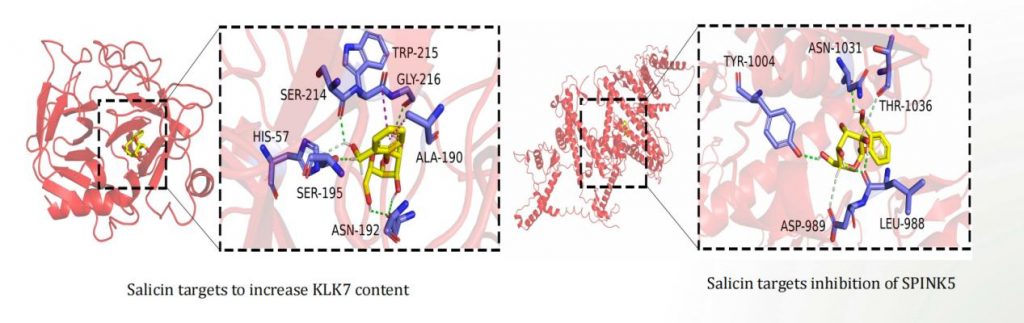
Figure 1: Salicin Exfoliation Dual Targets
KLK7 is recognized as one of the essential regulatory factors involved in the normal desquamation of corneocytes, while SPINK5 participates in modulating KLK7 activity. This predictive insight suggested that salicin could facilitate the shedding of senescent corneocytes by downregulating SPINK5 and upregulating KLK7 enzymatic activity (Figure 2).
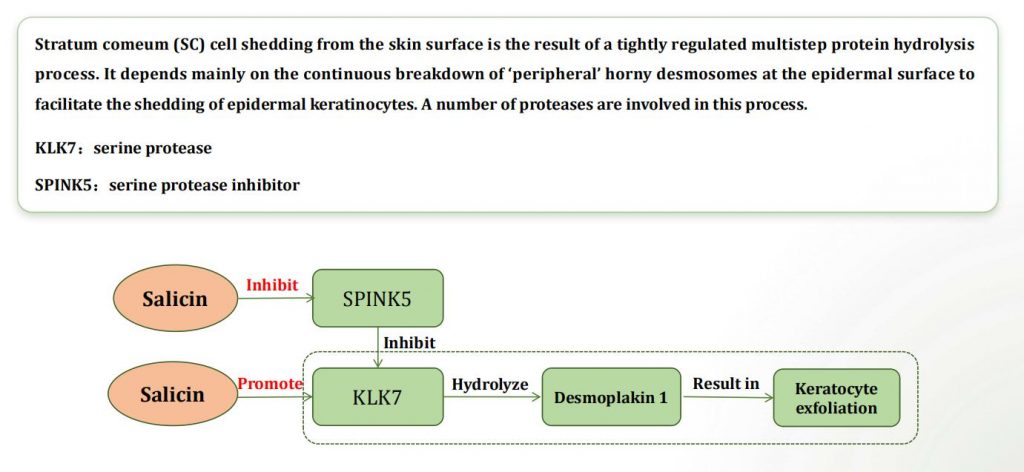
Figure 2: KLK7/SPINK5 Dual-Target Regulation Mechanism
Validation of the KLK7/SPINK5 Dual-Target Mechanism
To validate the AI-predicted outcomes, Plamed conducted tests using 3% PMRefresh® Willow on a 3D reconstructed human epidermis (RHE) model. The results 71% upregulation in KLK7 expression and a 32% downregulation in SPINK5 expression. This signifies a dual-regulatory mode of “promoting desquamation + relieving inhibitory restriction“: it significantly upregulates KLK7 expression to accelerate the normal shedding of aged corneocytes, while simultaneously suppressing its inhibitor, SPINK5, thereby diminishing the inhibitory effect on KLK7 activity. (This proprietary dual-target mechanism has been patented by Plamed).
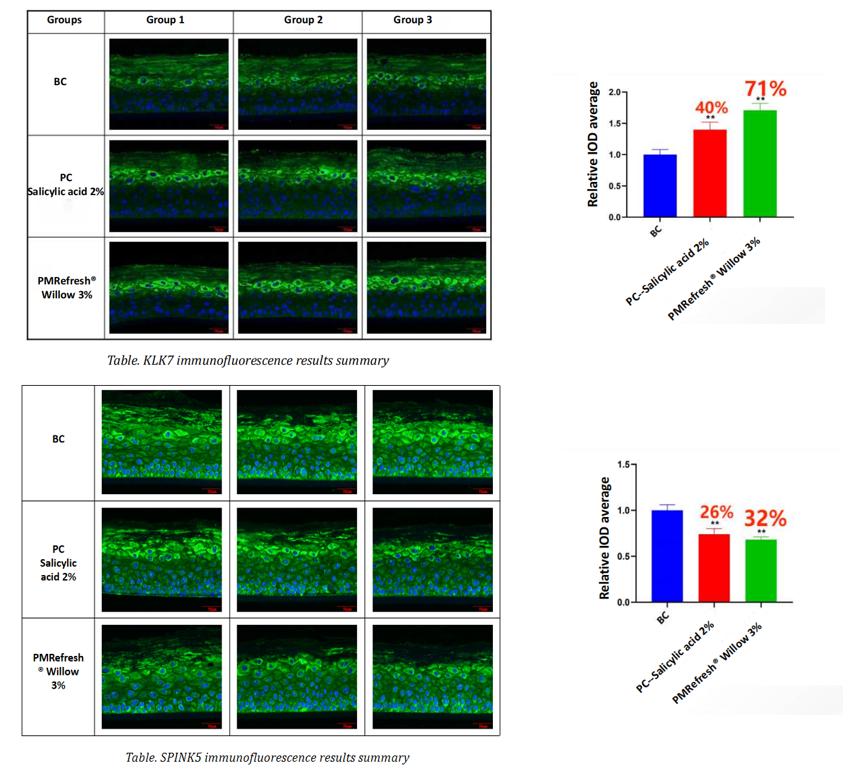
Figure 3: KLK7/SPINK5 Expression Test Results
Based on these results, Plamed concluded that PMRefresh® Willow can precisely activate the skin’s endogenous stratum corneum enzymatic system by modulating the KLK7/SPINK5 pathway, promoting natural corneocyte desquamation to support the process of endogenous exfoliation. This discovery serves as a vital theoretical cornerstone for subsequent model studies and human efficacy validations.
Multi-Level Validation: From Model Studies to Human Efficacy
Plamed has established a systematic, multi-dimensional validation system covering in vitro and in vivo models.
3D Skin Model and Ex Vivo Pig Skin Testing
In the 3D reconstructed skin model, the effects on key skin renewal indicators (stratum corneum thickness and total desquamated protein content) were evaluated. In the ex vivo pig skin model, its exfoliating capacity was assessed. The results consistently demonstrated outstanding exfoliating capacity, with an efficacy reaching approximately 50% of the positive control, salicylic acid (Figure 4), thereby validating its potential to modulate physiological stratum corneum renewal.
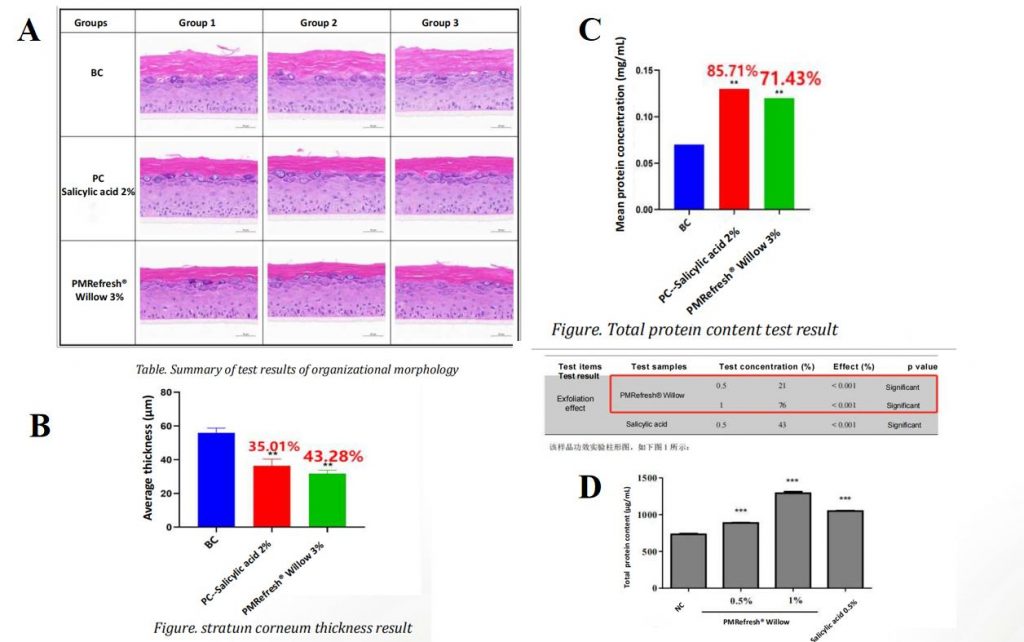
Figure 4: Exfoliating Efficacy Test Model Results
Caption: In the 3D skin model: A—Histological morphology results of stratum corneum thickness; B—Histogram of stratum corneum thickness results; C—Total desquamated protein content results. In the ex vivo porcine skin model: D—Total protein content results.
In Vivo Exfoliating and Brightening Efficacy Test at 2% Concentration
To evaluate its practical skincare efficacy, a split-face, self-controlled in vivo test was conducted. Thirty-five subjects applied a basic lotion containing 2% PMRefresh® Willow consecutively for 28 days. The results showed an 81.23% improvement in skin roughness and a 26.87% increase in skin smoothness after treatment (Figure 5). Concurrently, other key skin parameters such as skin radiance, stratum corneum desquamation index, and epidermal thickness were significantly superior to the control group (P < 0.05).
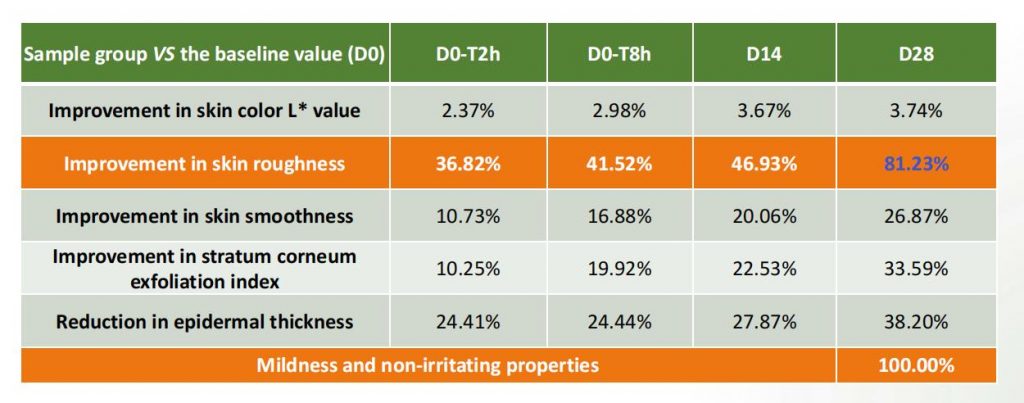
Figure 5: In Vivo Efficacy Test Results for 2% PMRefresh® Willow
In Vivo Exfoliating and Brightening Efficacy Test at 0.5% Concentration
Following the validation of high-dose efficacy, Plamed further investigated the stability of its performance at a lower dosage. Utilizing a double-blinded, self-controlled before-and-after, and parallel-controlled design, a 28-day study was conducted with 30 subjects. The results revealed (Figures 5–7):
After 8 hours of use: Skin roughness improved by 20.24%, and the desquamation index improved by 30.85%, showing a rapid effect.
After 14 days of use: The improvement rate in skin roughness steadily advanced to 29.88%, while the desquamation index improvement maintained at 26.05%, showing a continuous deepening of the exfoliating effect.
After 28 days of use: Skin roughness improved by up to 63.37%, and the desquamation index improved by 43.49%, achieving a potent and long-lasting exfoliating effect.
Statistically highly significant differences (P < 0.001) were achieved across all time points. These findings indicate that even at a lower dosage, which significantly reduces formulation costs, the product maintains an outstanding and stable exfoliating efficacy.
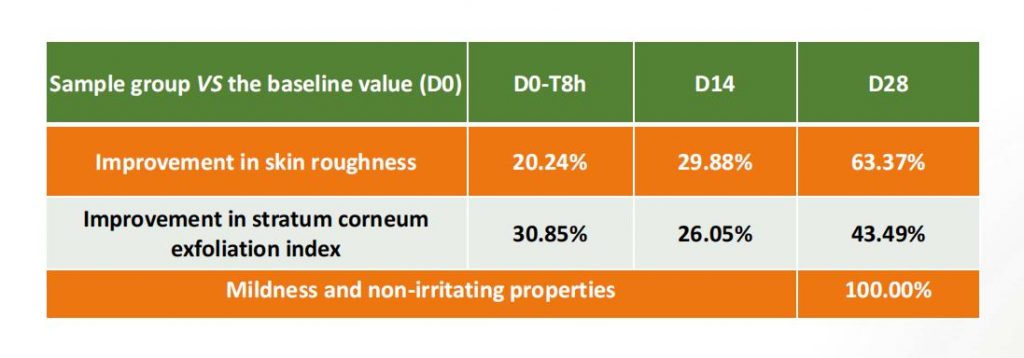
Figure 5: In Vivo Efficacy Test Results for 0.5% PMRefresh® Willow
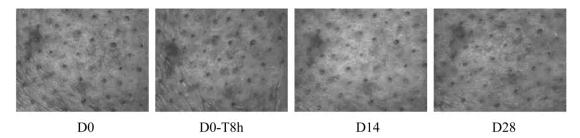
Figure 6: Skin Roughness Improvement Case Study
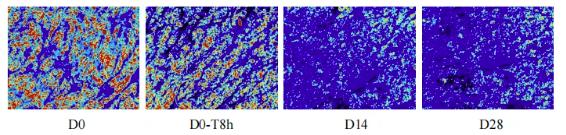
Figure 7: Stratum Corneum Desquamation Case Study
Core Breakthrough: Highly Efficient Renewal with Ultimate Mildness
Crucially, throughout the 28-day in vivo tests at both the 2% and 0.5% concentration, no subjects experienced any adverse irritant reactions. Furthermore, safety testing conducted in accordance with the Safety and Technical Standards for Cosmetics (2015 Edition) demonstrated zero adverse skin reactions among 30 subjects 48 hours post-application at a high concentration of 6%. This thoroughly validates its core competitive advantage of being “highly efficient yet remarkably mild”.The evolution of exfoliation philosophies has consistently revolved around the core logic of “minimizing skin disruption and achieving intelligent epidermal metabolic regulation.” Focusing on “endogenous exfoliation,” Plamed initiated its research from the active ingredients of white willow bark. Through AI target prediction, mechanism validation, multi-model studies, and in vivo tests, we have progressively built a robust chain of evidence, breaking the long-standing dilemma where exfoliating ingredients could not deliver both high efficacy and mildness simultaneously. Its unique mechanism of activating the skin’s “autologous renewal” via the KLK7/SPINK5 dual targets is poised to offer innovative research concepts for development development of high-tolerance, high-efficiency exfoliating skincare products.