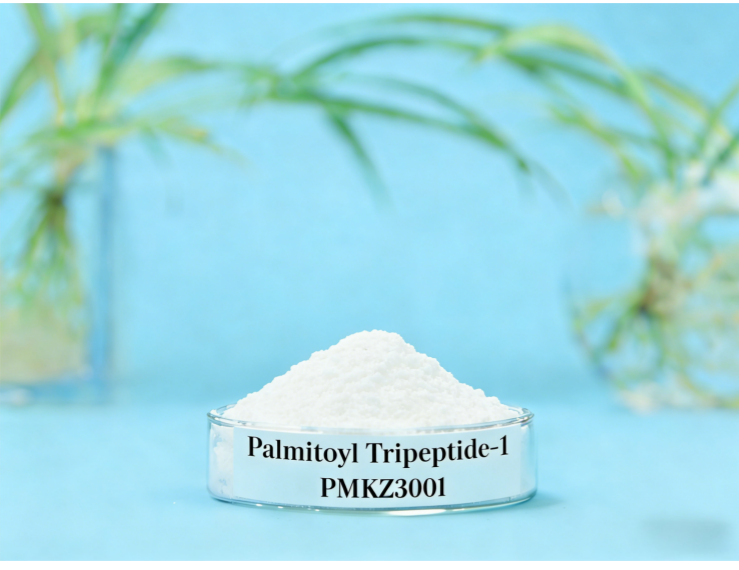
Palmitoyl Tripeptide-1, also known as Palmitoyl Oligopeptide, is a classic collagen-promoting signal peptide and a core active ingredient for root-cause anti-aging, firming and wrinkle-reducing skincare.
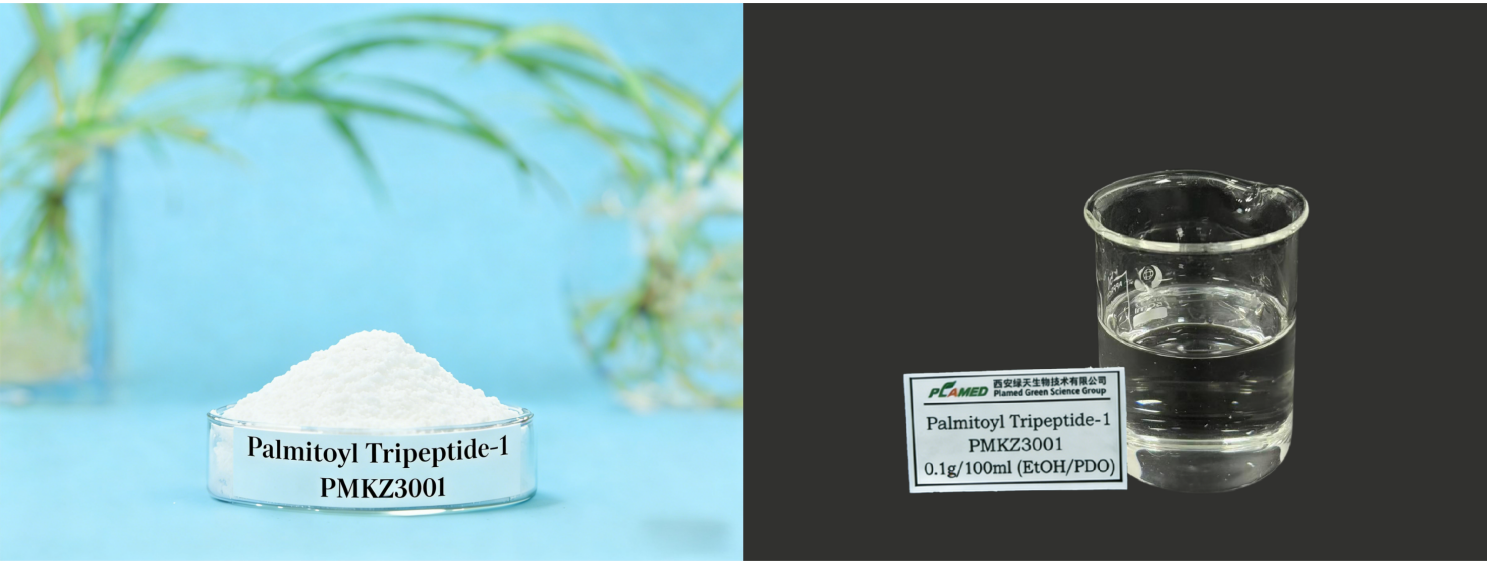
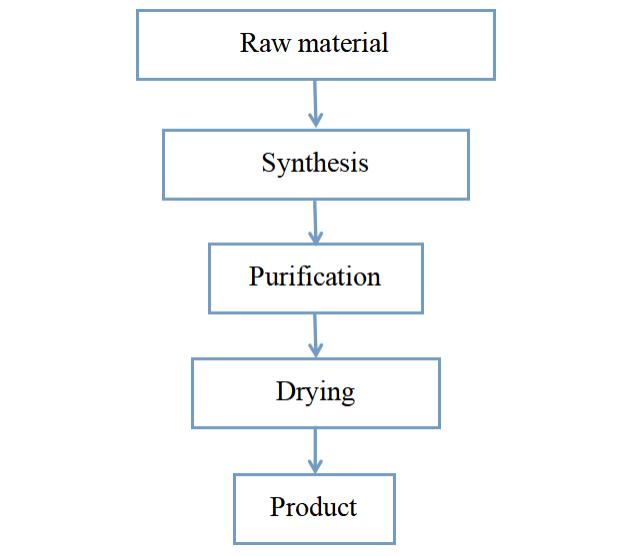
Cosmetic-grade Palmitoyl Tripeptide-1 is chemically synthesized in compliance with regulations. Plamed produces the ingredient via Solid Phase Peptide Synthesis (SPPS), stably supplying high-purity ≥98.0%; the internal control standard for active peptide content is ≥80.0%, with batch test values reaching up to 85.1%.
Chloride ions may derive from salt formation adjustment and neutralization during peptide manufacturing, existing in various forms in the system. Plamed has established a scientific chloride content control range, optimizing the industry’s conventional free hydrochloric acid detection index. Traditional hydrochloric acid content is calculated indirectly via chloride conversion, involving salt-form assumptions and conversion errors. Based on analysis of potential salt-forming sites of Palmitoyl Tripeptide-1, we set a reasonable control range with reference to the theoretical maximum salt-forming chloride content for batch stability management. This indicator is accurate and unambiguous, helping reduce formulation fluctuation risks, shorten formulation adjustment cycles, and improve formulation development efficiency and long-term finished product stability.
As a classic Matrikine-mimetic peptide, Palmitoyl Tripeptide-1 simulates active fragments released during collagen degradation (represented by type I collagen-related signal sequences), sending “collagen regeneration” signals to skin fibroblasts and triggering the self-repair mechanism of the dermis. It regulates collagen synthesis-related signaling pathways such as TGF-β/Smad, enhances fibroblast activity, and upregulates the expression of key extracellular matrix (ECM) components, including type I/III collagen, elastin, fibronectin and glycosaminoglycans. It also helps regulate matrix metalloproteinase (MMPs) activity to reduce excessive collagen degradation, forming a two-way regulatory mechanism of “promoting synthesis + inhibiting degradation”, thereby improving the structural integrity and stability of the dermis.
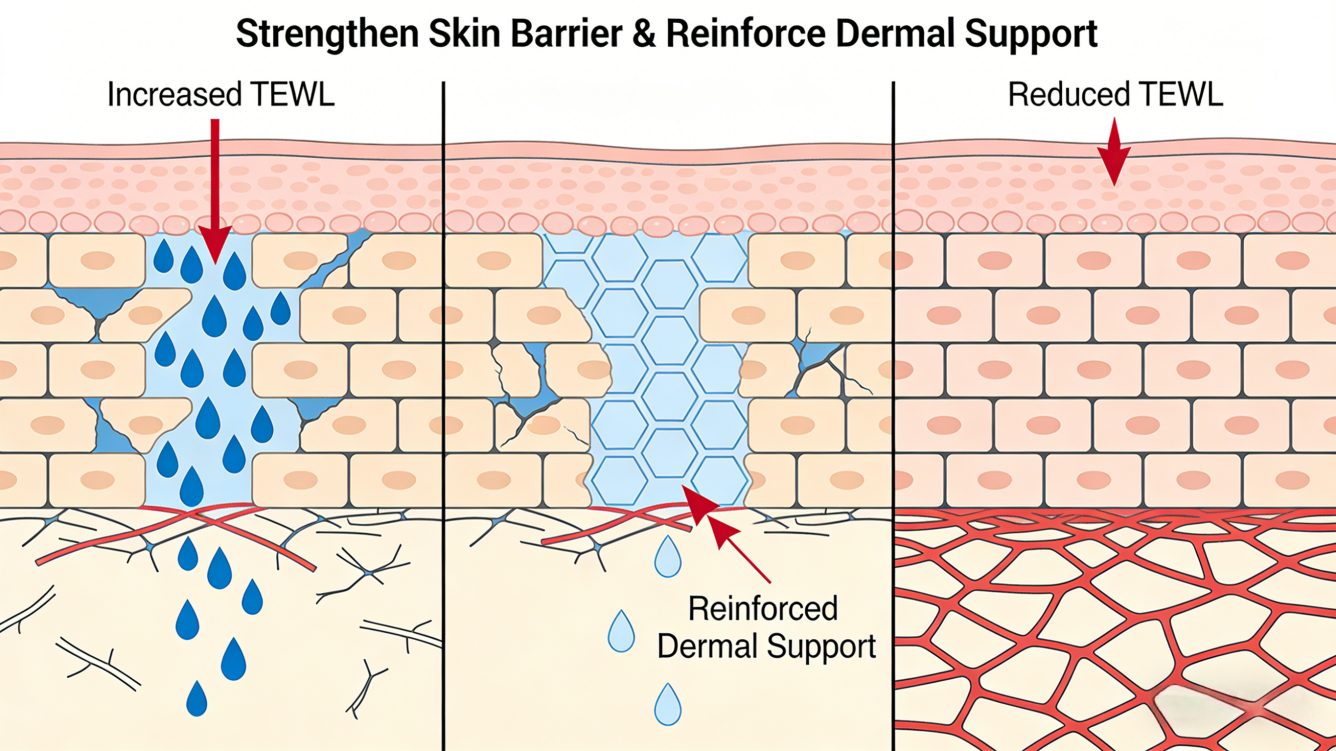
In addition, by promoting ECM reconstruction, it improves the skin microenvironment, indirectly optimizes keratinocyte function, upregulates the expression of barrier-related proteins (e.g., filaggrin), strengthens skin barrier integrity, and reduces transepidermal water loss (TEWL).
With its signal-activated anti-aging mechanism, Palmitoyl Tripeptide-1 fundamentally improves dry lines, fine lines, skin sagging and loss of elasticity caused by collagen loss, achieving comprehensive effects including wrinkle reduction, firming, structural support enhancement and photoaging repair. It is widely used in high-end anti-aging, firming, wrinkle-reducing and barrier-repairing skincare products.
| Product Name | CAS | INCI | |
| Palmitoyl Tripeptide-1 | 147732-56-7 | Palmitoyl Tripeptide-1 | |
| Molecular Formula | Molecular Weight | Molecular Structure | |
| C30H54N6O5 | 578.8g/mol | 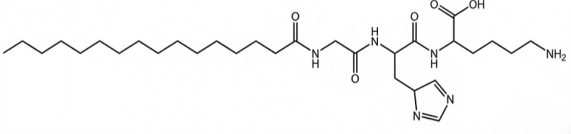 |
|
| Product ID | Specification | Minimal Package | MOQ |
| PMKZ3001 | Purity≥98%
Peptide content≥80% |
10g | 10g |
As a classic collagen-promoting signal peptide (Matrikine), it mimics signal fragments generated during ECM degradation, sends “collagen regeneration” signals to fibroblasts, regulates TGF-β/Smad pathways, upregulates the expression of type I/III collagen, elastin, fibronectin and glycosaminoglycans. It supports dermal structural integrity and density, fills dry lines and fine lines, improves sagging, and enhances skin firmness and elasticity.
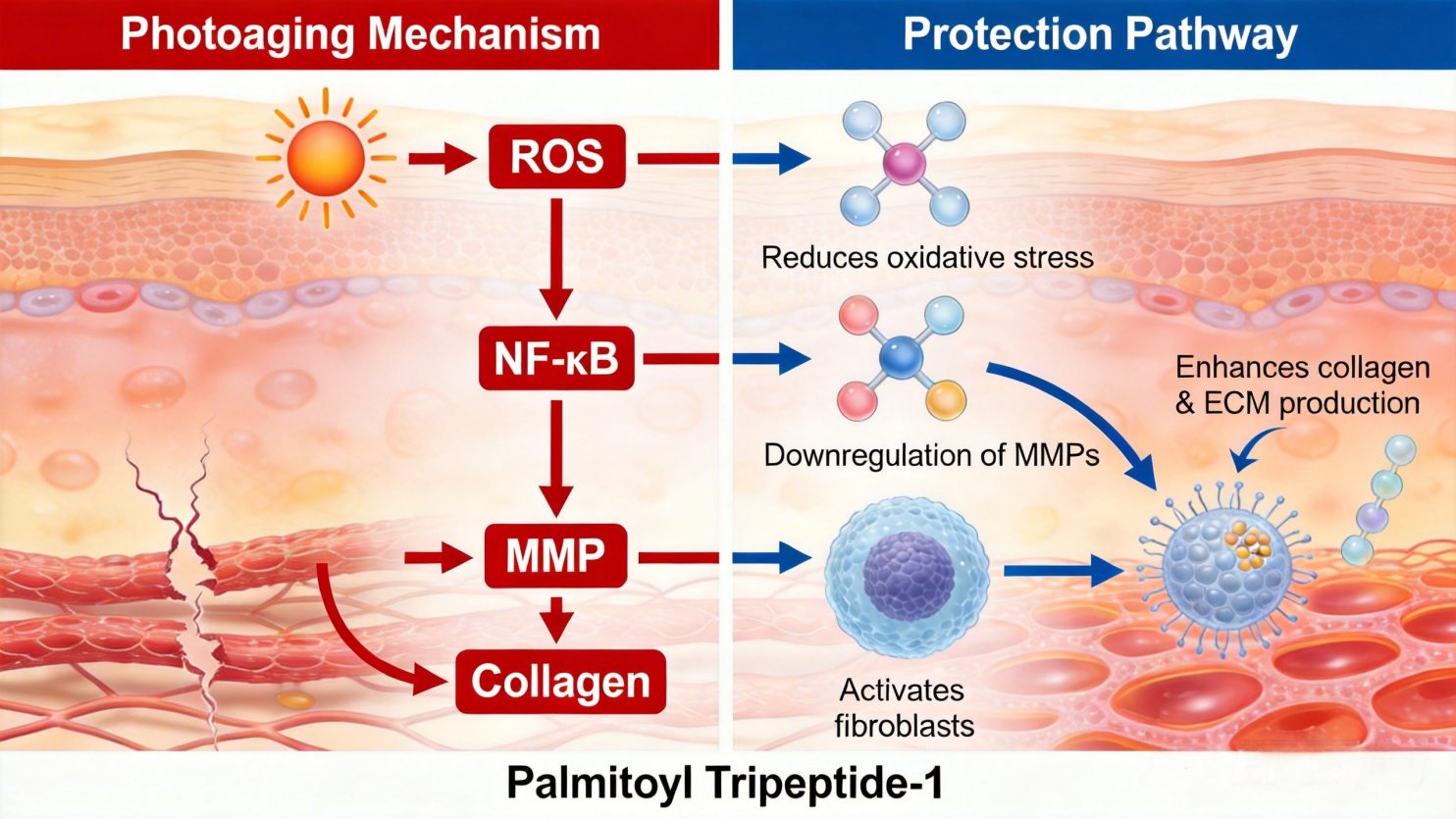
UV-induced photoaging is a major driver of extrinsic skin aging, causing oxidative stress, inflammation, increased collagen degradation and damaged elastic fibers, leading to wrinkles, roughness and dullness.
Palmitoyl Tripeptide-1 exerts anti-photoaging effects via structural support + microenvironment regulation: it reduces UV-induced ROS and inflammation, downregulates MMPs to slow collagen/elastin degradation, promotes ECM synthesis and metabolic balance, maintaining dermal stability and delaying photoaging-related structural deterioration.
It promotes ECM reconstruction, optimizes skin microenvironment and keratinocyte function, upregulates filaggrin, loricrin and other barrier proteins, reduces TEWL, strengthens the skin barrier fundamentally, and improves resistance to external irritants, suitable for damaged skin repair.
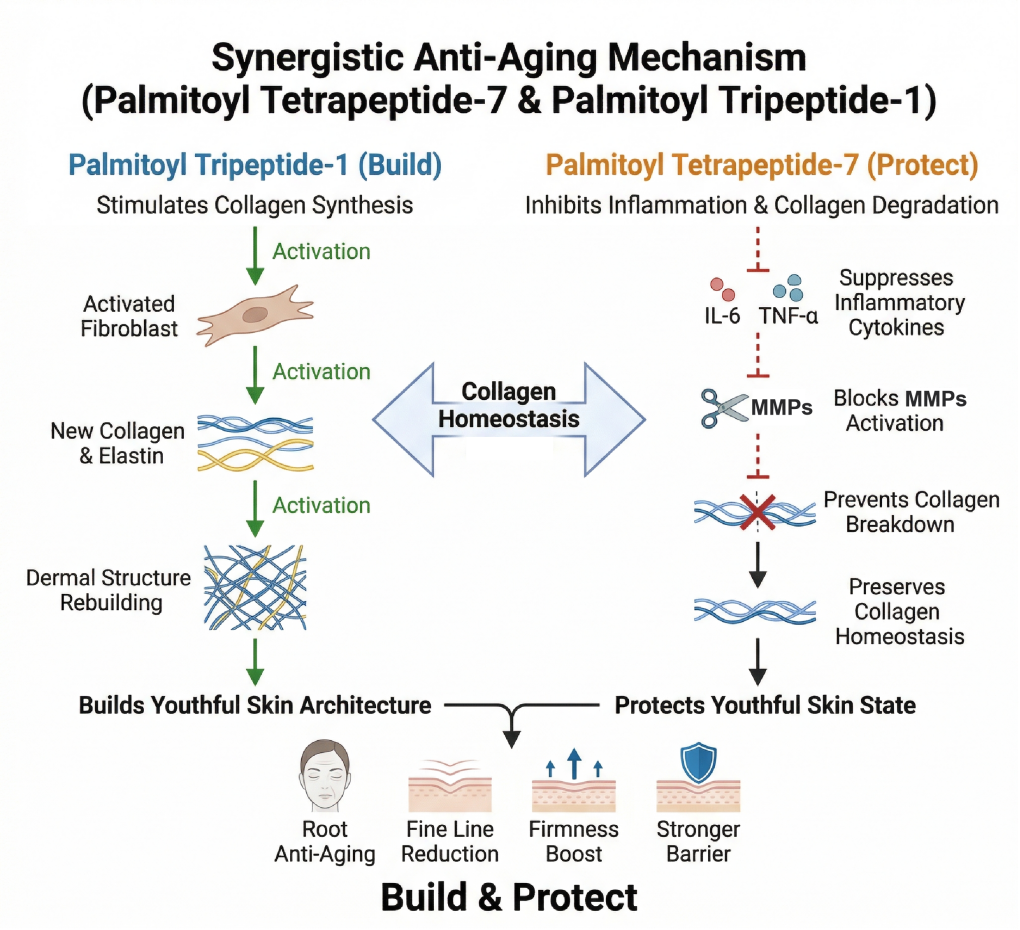
Palmitoyl Tripeptide-1 and Palmitoyl Tetrapeptide-7 have highly complementary mechanisms, forming a dual-pathway anti-aging closed loop of structural construction + inflammation inhibition, with excellent performance in wrinkle improvement, elasticity enhancement and texture optimization.
Palmitoyl Tripeptide-1 (Construction): Stimulates fibroblasts to synthesize new collagen, elastin and ECM, building a youthful dermal structure and filling lines.
Palmitoyl Tetrapeptide-7 (Protection): Regulates inflammation pathways (e.g., NF-κB), reduces pro-inflammatory factors, downregulates MMPs, blocks collagen degradation and protects dermal integrity.
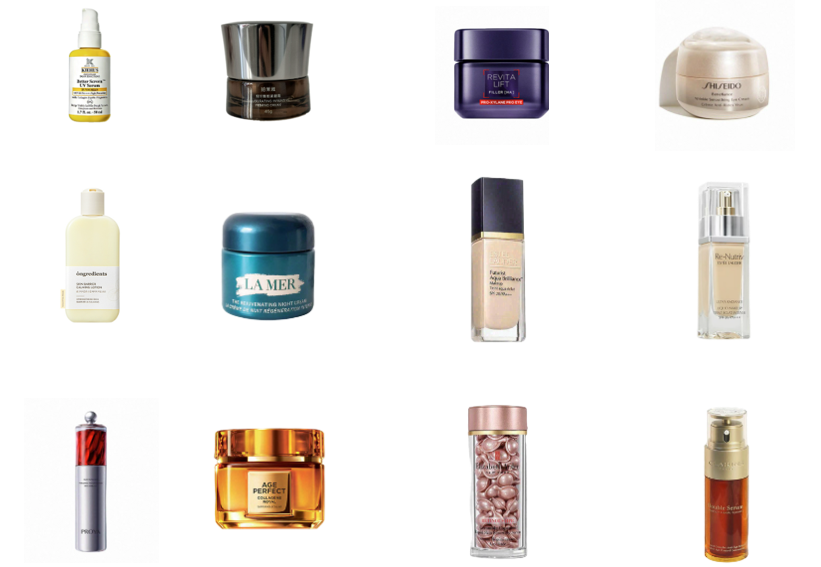
Palmitoyl Tripeptide-1 achieves anti-aging effects at low addition levels, widely used in high-end anti-aging wrinkle serums, firming creams, eye care, anti-photoaging products, barrier-repair emulsions and other full-category skincare products.
| Product and specification | Reference Dosage |
| Palmitoyl Tripeptide-1 (Purity ≥98.0%) | 0.001–0.1% |
| Country | Brand | Product |
| China | PROYA | Energizing Fresh Anti-Wrinkle Firming Eye Cream
Time Reset Firming Sculpting Cream |
| INOHERB | Rhodiola Brightening Essence | |
| USA
|
LA MER | The Lifting Firming Night Cream |
| Elizabeth Arden | RETINOL + HPR Ceramide Capsules Line Erasing Night Serum | |
| Kiehl’s | Better Screen UV Serum | |
| France
|
Clarins | Double Serum LIGHT TEXTURE Complete Age Control Concentrate |
| L’Oréal Paris | Age Perfect Nectar Collagen Nourishing Cream
Age Perfect Nectar Collagen Essence Water Revitalift Filler Hyaluronic Acid Anti-Wrinkle Eye Cream |
|
| CHANEL | N°1 DE CHANEL SÉRUM REVITALISANT AU CAMÉLIA ROUGE | |
| Japan | Shiseido | Benefiance Wrinkle Smoothing Eye Cream |
| South Korea | Ongredients | Skin Barrier Calming Lotion |