Over the past decade, sensitive skin care has become one of the fastest-growing segments in the global skincare market.
The popularity of acid-based skincare, retinol skincare, post-aesthetic skincare, and high-efficacy skincare products has driven a continuous rise in consumer concern regarding irritation responses such as burning, stinging, itching, and redness. Concurrently, brands face an increasingly urgent demand to “combine high efficacy with low irritation.”
With the deep application of neuroscience in skin research, TRPV1 has gradually become one of the most scrutinized research targets in the field of anti-irritation. Centered on TRPV1 receptor regulation, the industry has developed a series of neuro-anti-irritation solutions, pushing anti-irritation research from traditional anti-inflammation and barrier repair further into the realm of skin irritation perception. This advancement has undoubtedly propelled the development of sensitive skin care. However, during continuous research, a new question has gradually emerged:
Can TRPV1 represent the entirety of skin irritation perception? An increasing number of studies show that irritation signals in the skin are not transmitted solely through TRPV1. When other sensory receptors are activated, regulating TRPV1 alone cannot completely cover the complex process of skin irritation perception.
To address this issue, Plamed took the lead in introducing Action Potential (AP), the common convergence point of skin irritation signals, into cosmetic anti-irritation research, and established the AP neuro-anti-irritation pathway research system. Shifting from single-receptor research to common-pathway research, Plamed is exploring broader-spectrum anti-irritation solutions for the industry that are closer to the essence of stimulus perception.
From Stimulus Generation to Stimulus Perception
We Care About More Than Just the Stimulus Itself
In the mechanism of skin irritation formation, regardless of whether the stimulus originates from high temperatures, acid ingredients, mechanical friction, or inflammatory mediators, it must ultimately be transmitted via nervous system signals to be perceived by the human body as burning, stinging, itching, or redness. The human body is widely distributed with the full TRP receptor family (TRPV, TRPC, TRPM, TRPA, TRPP, TRPML), which act like “sensors” in the skin to perceive different types of stimuli. Among them, TRPV1 is one of the most extensively researched targets in the current field of neuro-anti-irritation; known as the “capsaicin receptor,” it is closely related to the skin’s burning and stinging sensations. Consequently, many soothing raw materials have been developed around TRPV1, aiming to reduce irritation perception by regulating its activity.
Yet at the same time, we observe that TRPV1 is not the sole pathway for the skin to perceive irritation. TRPV2, TRPV3, TRPV4, TRPV5, TRPV6, and other receptor subtypes are also involved in identifying and transmitting various irritation signals. This implies that when other receptors are activated, targeting a single receptor for regulation cannot fully cover the complex process of stimulus perception (Figure 1). This discovery prompted us to contemplate: is there a common link capable of connecting all stimulus perception pathways?
Following this line of thought, Plamed focused its research further onto the Action Potential (AP). The core value of AP lies in the fact that it is the central transmission route for action potential signals during the activation of multiple skin neuro-sensitive pathways, such as the pathway of TRPV, TRPA1, and TRPM3/8; it serves as a critical node for various external stimulus signals to be transmitted from the peripheral skin to the central nervous system. When external stimuli activate the skin’s TRP ion channel family, it triggers a transmembrane influx of cations like Ca²⁺ and Na⁺, leading to neuronal membrane depolarization and a subsequent increase in the release frequency of AP signals. This ultimately triggers a series of inflammatory responses via neuropeptide release, manifesting as symptoms related to skin sensitivity. Furthermore, once family receptors such as TRPV1 are activated, their mediated irritation signals must be transmitted through the AP signal pathway, which provides the core theoretical foundation for achieving anti-irritation effects by regulating AP signals.
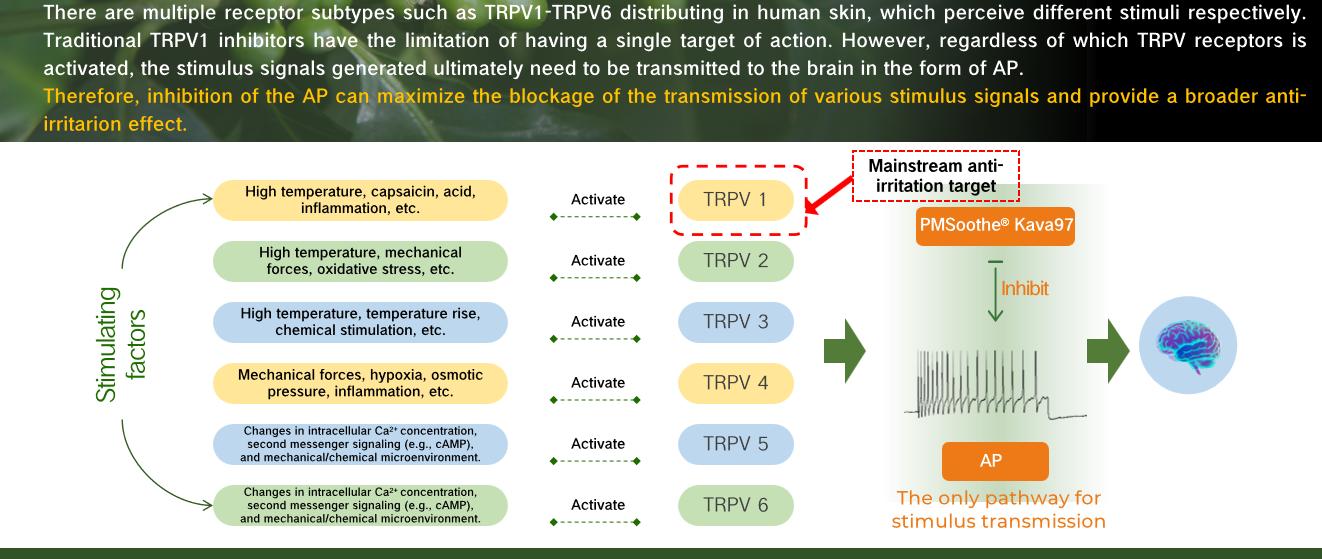
Figure 1: Limitations of Inhibiting TRPV1 (Taking the TRPV Family as an Example)
AP Neuro-Anti-Irritation Pathway
A New Anti-Irritation Research System
Based on this understanding, Plamed for the first time systematically investigated AP as an important target for cosmetic anti-irritation research, gradually establishing a comprehensive AP neural anti-irritation pathway research system. Compared to focusing on a single receptor, the AP neural anti-irritation pathway focuses on the neural conduction process through which all irritation signals collectively pass. The object of study has also extended from “how irritation occurs” to “how irritation is transmitted and perceived” (Figure 2). For Plamed, this is not merely a new research direction, but rather a new way of re-understanding skin irritation issues.
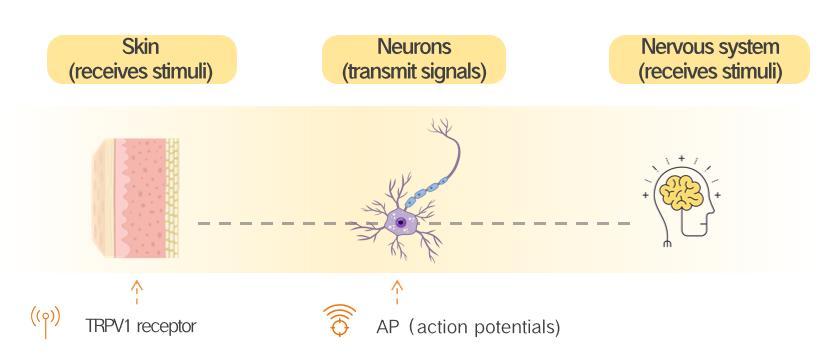
Figure 2: Schematic Diagram of Stimulus Signal Transmission
From Scientific Hypothesis to Scientific Evidence
Establishing a Comprehensive Research Validation System
Centered around the AP neural anti-irritation pathway, Plamed has carried out systematic research work. In collaboration with Shanghai Inoherb Cosmetics Co., Ltd. (a leading Chinese beauty brand) and domestic authoritative experts, Plamed officially released the White Paper on Cosmetic Action Potential (AP) Neural Anti-Irritation Pathway (hereinafter referred to as the “White Paper”). This is the first professional white paper in beauty industry to systematically elucidate the AP neural anti-irritation pathway. It clarifies for the first time the core mechanism of the AP signal pathway in skin anti-irritation, breaking through the application limitations of the traditional single TRPV1 target, and achieving indirect regulation of multiple receptors within the TRP family. It establishes a complete scientific theory and technical framework for anti-irritation raw material R&D, efficacy evaluation, and product application in the cosmetics field, setting a new technical direction for precise anti-irritation research across the industry.
The White Paper provides a comprehensive and deep scientific interpretation covering the current research status of cosmetic raw material anti-irritation targets, the definition and mechanism of action of the AP signal pathway, the detection methods and parameter interpretations of neuronal AP signals, as well as the future application and developmental challenges of the cosmetic raw material anti-irritation AP signal pathway. It fills the industry gap in the theoretical research and technological application of the AP signal pathway for anti-irritation.
Targeting the five major intervention targets in the TRP anti-irritation pathway, the White Paper further substantiates the unique advantages and core value of the AP signal pathway in anti-irritation applications by comparatively analyzing the action mechanism, technical strengths, and limitations of each target. Compared to issues such as the restricted scope of action for TRP targets, the low technical maturity and complex mechanism of Ca²⁺/Na⁺ cation targets, and the slow onset of action of inflammatory cytokine targets, the AP signal pathway inhibits the release of action potential signals and blocks terminal neural signal transmission. Without relying on single-receptor regulation, it can simultaneously tackle irritations triggered by the activation of multiple receptors, including TRP. It features technical characteristics such as broad-spectrum anti-irritation, immediate regulation of signal transmission, and long-term repair, delivering a comprehensive and precise anti-irritation effect from the level of signal transmission.
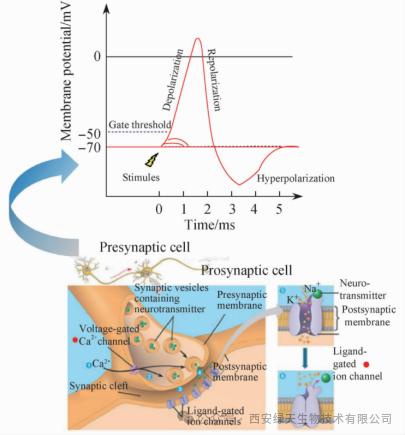
Figure 3: Schematic Diagram of Neuronal AP Signal Generation
The realization of theory cannot be separated from an actual technical vehicle. As the tangible outcome of the core technology in the White Paper, the Kava root extract and related application technologies developed by Plamed achieve effective regulation over the AP signal pathway. Being the world’s first enterprise to discover the regulatory effect of Kava root extract on the AP signal target, Plamed created the cosmetic raw material PMSoothe® Kava97 (INCI: Piper Methysticum Root Extract), providing a vehicle for the practical application of the AP mechanism and establishing a practical foundation for the R&D and application of AP signal pathway anti-irritation technology.
For Plamed, the significance of the White Paper lies not only in sharing research outcomes but also in providing the industry with a brand-new observational perspective.
When Research Outcomes Are Validated
Dual Evidence from Laboratories and Human Clinical Trials
In neuronal model studies, Plamed discovered for the first time that the active components in Kava97 exert a significant regulatory effect on AP. To verify the reliability of this discovery, we performed repeated tests across 5 different batches. The results indicated that all 5 batches of samples exhibited stable and prominent AP inhibition capabilities, with the highest inhibition rate reaching 89.57% (Figure 4). This result not only demonstrates the efficacy of the mechanism of action but also proves its stability foundation required for industrial application.
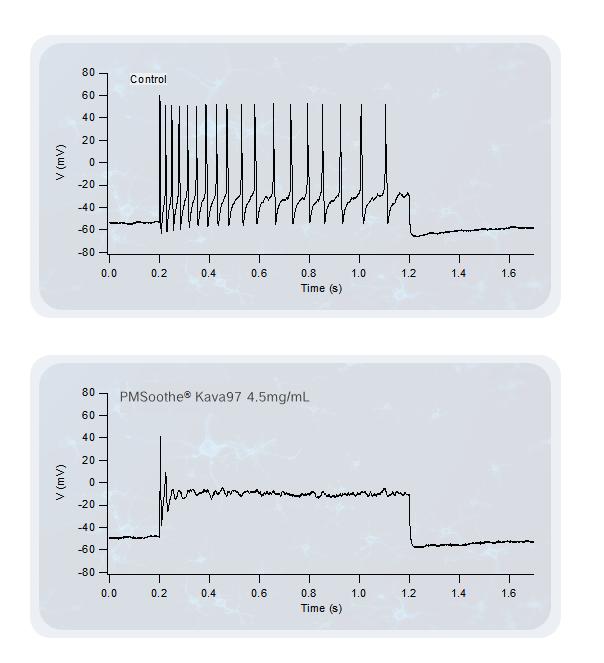
Figure 4: Data Chart of AP Signal Inhibition
While broadly regulating peripheral irritation signal transmission, the ingredient also targets the TRPM8 ion channel, a key member of the Transient Receptor Potential (TRP) family involved in cool sensation. By activating TRPM8-mediated cool-sensing pathways, it provides an immediate cooling sensation while enhancing the multi-target regulatory capacity of TRP family signaling. Upon activation, TRPM8 channels promote Ca²⁺ influx, initiating calcium-dependent intracellular signaling cascades, including PKC and MAPK pathways. These signaling events modulate neuropeptide and cytokine activity, ultimately producing a pleasant cooling sensation and soothing irritated skin.
In a TRPM8 gene expression assay using human keratinocytes (Figure 5), treatment with 0.02% of the ingredient increased TRPM8 gene expression by 45% compared with the untreated control (p < 0.05). At 0.04%, TRPM8 expression increased by 98% (p < 0.001), with activity exceeding that of the positive control. These findings demonstrate the ingredient’s ability to upregulate TRPM8 expression and support its role in modulating TRPM8-mediated signaling. Beyond regulating irritation signal transmission, activation of the TRPM8 pathway provides a strong mechanistic basis for the product’s immediate cooling and soothing effects.
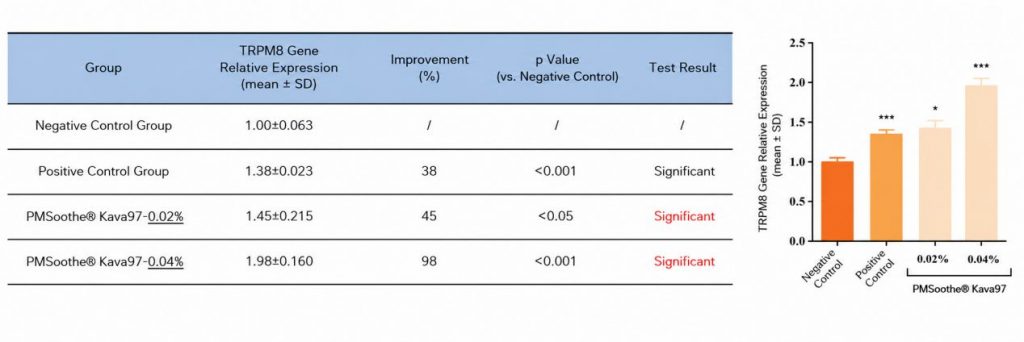
Figure 5: TRPM8 Gene Expression Test Results
Concurrently, the results of in vivo test further validate the practical value of this research. In tests conducted by Bureau Veritas (BV) Group, the world’s third-largest testing and certification institution, 30 minutes after a single application of a 2% concentration: 100% of subjects experienced relief from burning and stinging; 93.55% of subjects experienced relief from skin itching; and 83.87% of subjects experienced relief from skin redness. Simultaneously, instruments objectively detected significant reductions in both the facial red zone area and the redness a* value (Figure 5). These results mean that the efficacy of Kava97 against heat (burning), itch, pain (stinging), and redness can be genuinely perceived by consumers.
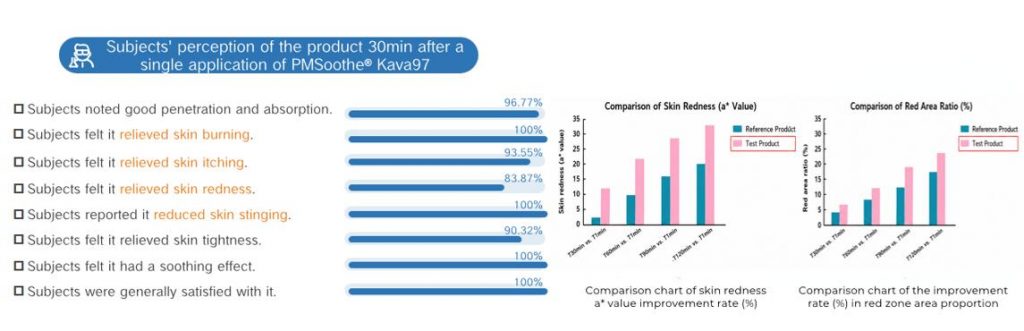
Figure 6: Human Facial Anti-Irritation Efficacy Test Results (Data from Bureau Veritas)
From Research System to Industry Solutions
PMSoothe® Kava97
Throughout the research process of the AP neuro-anti-irritation pathway, Plamed developed PMSoothe® Kava97. This is not merely a cosmetic raw material derived from Kava root, but rather the industrial application of AP neural anti-irritation research outcomes. It simultaneously acts on both the receiving and transmitting ends of stimulus signals, achieving dual-pathway regulation from neural perception to irritation relief, thereby providing a fresh solution for sensitive skin care, functional skincare, and post-procedure repair products.
In addition to neural models and in vivo evaluations, Plamed conducted systematic validations against different types of irritation sources to evaluate its broad-spectrum applicability in the cosmetic formulations. In the test model on the cosmetic formulations Chorioallantoic Membrane (HET-CAM), 0.5% Kava97 reduced the moderate irritation of salicylic acid to a mild irritation level and reduced the irritation of Vitamin A to a none/light irritation level; when the dosage was increased to 1%, it could further reduce moderate irritation caused by various surfactants to a non-irritating level. Targeting common irritation sources in personal care products, Kava97 similarly displayed sound soothing effects, showing clear improvements against irritation in scalp care systems like selenium disulfide. In the zebrafish model, 0.25% Kava97 achieved a neural soothing efficacy of 97%. It delivered 86% and 95% soothing effects against irritations caused by glycolic acid and lactobionic acid, respectively; meanwhile, it also manifested a strong capacity to alleviate irritations related to preservative such as methylparaben, phenoxyethanol, and ethylhexylglycerin (Figure 6).
These results indicate that the AP neuro-anti-irritation pathway is not limited to a specific category of irritation sources but can cover multiple common irritation scenarios such as acid components, surfactants, preservatives, and personal care actives, demonstrating a powerful broad-spectrum anti-irritation potential.
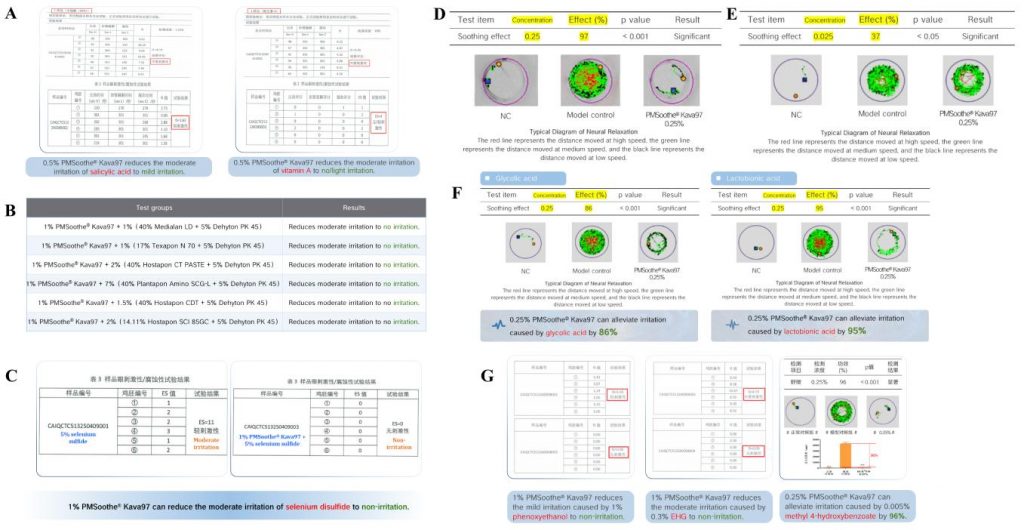
Figure 7: Application Verification of Anti-Irritation Effects
Figure Note: In the HET-CAM model: A – Irritation test results of soothing functional components; B – Irritation test results of soothing surfactant components; C – Irritation test results of soothing selenium disulfide. In the zebrafish model: D – Neural soothing test results; E – Irritation test results of soothing sanitizing components; F – Irritation test results of soothing acid components; G – Irritation test results of soothing preservative systems.
How does this product based on the innovative AP mechanism compare in anti-irritation capacity with products targeting the traditional TRPV1 in the same models at identical dosages? Plamed conducted a blind comparative study on this. The test selected four mainstream anti-irritation raw materials on the market, carrying out comparisons across three models: HET-CAM (chicken embryo), zebrafish, and in vivo tests.
The results showed that in the zebrafish model, Kava97 and a well-known German raw material PMSH03 both belonged to the first echelon (Figure 7). In in vivo tests testing, Kava97 took a comprehensive lead in three dimensions—heat (burning), itch, and pain (stinging)—thoroughly outperforming all competing products at the same dosage, while its anti-redness effect was on par with the German material (Figure 8). Crucially, in the HET-CAM test, Kava97 reduced moderate irritation to non-irritation and proved to be completely mild itself, whereas that German raw material failed to demonstrate anti-irritation effects, possibly because it contained polyols which inherently caused irritation to the chicken embryo (Figure 9).
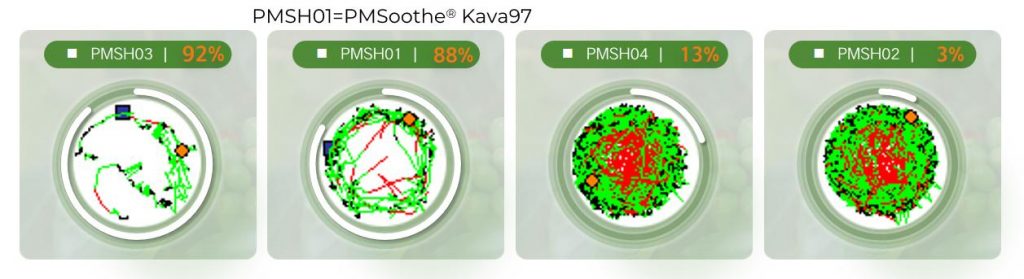
Figure 8: Zebrafish Anti-Irritation Blind Test Comparison Results
Figure Note: Modeled with an identical dosage of glacial acetic acid; raw material concentrations are all 0.05%.
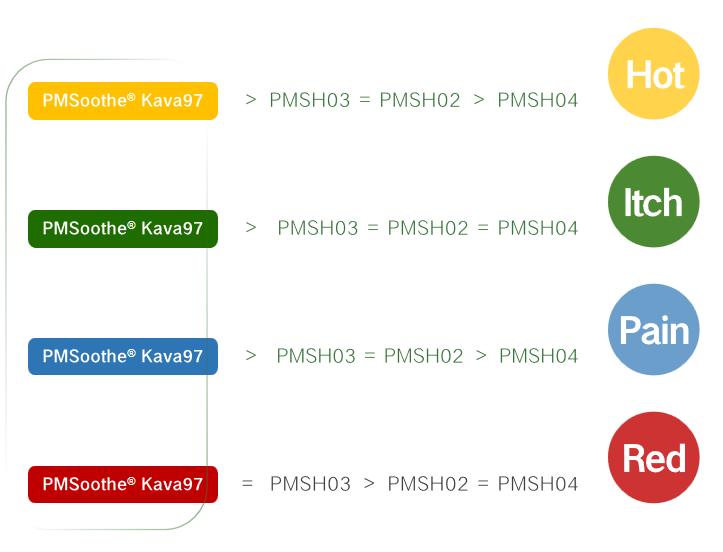
Figure 9: Human Efficacy Blind Test Comparison Scoring Results
Figure Note: Testing concentrations are all 2%.
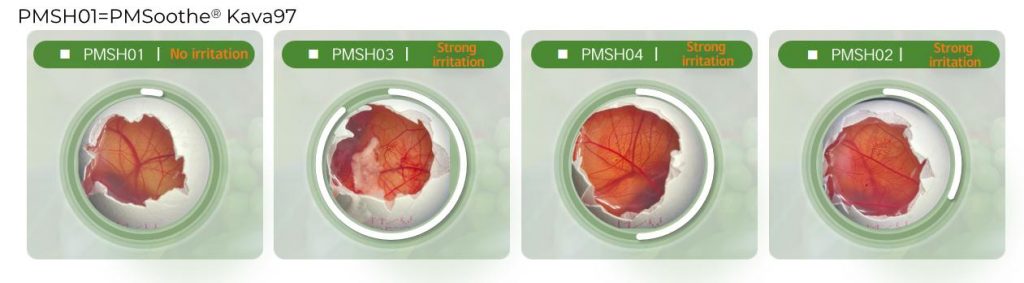
Figure 10: HET-CAM Eye Irritation Blind Test Comparison Results
Figure Note: Modeled with an identical dosage of a strong irritant; raw material addition dosages are all 0.5%.
For us, the value of this dataset goes beyond mere performance comparison. It further verifies that Plamed’s innovative AP neural anti-irritation pathway can cover a broader spectrum of stimulus perception processes compared to traditional TRPV1, thereby providing a more comprehensive solution for complex irritation scenarios.
Industry Value Brought by Research Outcomes
Focusing on the direction of neuro-anti-irritation, Plamed has completed systematic construction from basic research to industrial application:
- Global first discovery of the significant regulatory effect of Kava97 on action potentials;
- Establishment of AP neuro-anti-irritation pathway research;
- Joint publication of the industry’s first “White Paper on Cosmetic Action Potential (AP) Neuro-Anti-Irritation Pathway”;
- Promoting the formulation of the group standard for “Kava Root Extract”;
- Completion of the industrial application of PMSoothe® Kava97.
From neural signal research to efficacy validation and industrial commercialization, what Plamed focuses on is not merely an ingredient innovation. We aspire to answer an industry question: how to bring anti-irritation research closer to the essence of stimulus perception. The AP neural anti-irritation pathway is precisely the step-by-step answer we have delivered based on this question.