Anti-irritating cosmetics ingredient PMSoothe® Kava97
PMSoothe® Kava97 is a kava root-derived neural soothing active developed to help relieve skin irritation through an action potential (AP)-based approach. By targeting neural irritation signal transmission beyond TRPV1, it supports soothing formulations for sensitive skin.
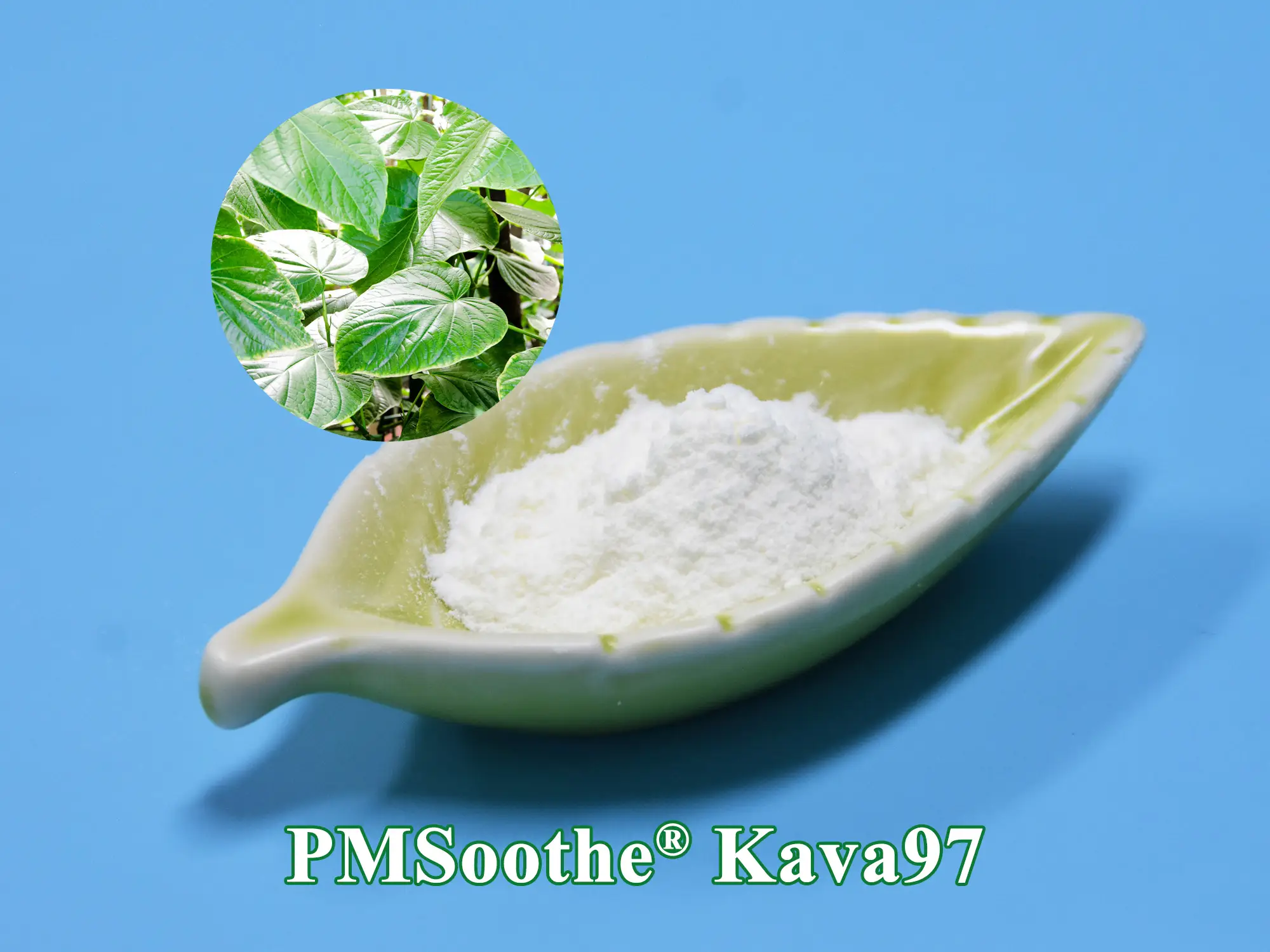
PMSoothe® Kava97
PMSoothe® Kava97 is a neural soothing cosmetic active derived from kava (Piper methysticum) root, developed based on Plamed’s action potential (AP)-based neural irritation research framework.
Unlike conventional anti-irritation approaches that focus primarily on the TRPV1 receptor, PMSoothe® Kava97 focuses on the neural transmission of irritation signals, supporting a broader approach to modulating irritation pathways from signal perception to transmission. High-standard extraction and active compound control help ensure batch-to-batch consistency and reliable soothing performance, making it suitable for cosmetic formulations designed for sensitive skin and irritation-prone conditions.

Human Capsaicin Model · 60 min
Four irritation markers. All the lowest.
Lower score = less irritation. Four actives tested side by side — PMSoothe® Kava97 came out on top in every category.
✓ Strongest itch suppression
Itching score of just 2.00 — a 50% reduction versus PMSH04 (4.00).
✓ Stable at 60 min
All four scores stayed lowest under extreme stimulation — more stable than the PMSH series.
Lower is better · 60-min extreme stimulation
Lower is better
Lower is better
Change value · Lower is better
At a glance
Field | PMSoothe® Kava97 |
Product name / Trade name | PMSoothe® Kava97 |
INCI name | PIPER METHYSTICUM ROOT EXTRACT; HYDROXYPROPYL CYCLODEXTRIN |
Standardized actives | Kavain ≥4000 ppm; Yangonin ≥500 ppm (HPLC) |
Product family / type | Soothing Agents / Active Ingredients |
Form & solubility | Off-white to light yellow powder; water soluble |
Mode of action | Dual-target anti-irritation: TRPV1 inhibition + AP signaling modulation |
Recommended use level | 0.1%–2.0% |
Natural origin index | 77.9% (ISO 16128-1); preservative-free |
Shelf life | 36 months when stored properly |
Supplier / Origin | PLAMED / Made in China; kava root from the South Pacific islands |
PMSoothe® Kava97 is a water-soluble kava root extract powder standardized to Kavain ≥4000 ppm and Yangonin ≥500 ppm by HPLC, combined with Hydroxypropyl Cyclodextrin. It is designed as a soothing and calming ingredient for sensitive and irritation-prone skin, and works through a dual-target mechanism that combines TRPV1 inhibition with action-potential (AP) signaling modulation. As a cosmetic raw material it belongs to the Active Ingredients group and the Soothing Agents family.
In recent years, the appearance of sensitive skin has become more and more frequent, which significantly affects quality of life and increases psychological pressure and anxiety. Sensitive skin has now become a health issue of global concern. According to the data of the China Sensitive Skin Diagnosis and Treatment Expert Consensus, the proportion of Chinese women with sensitive skin is about 36.1%, which means that one in three people has sensitive skin.
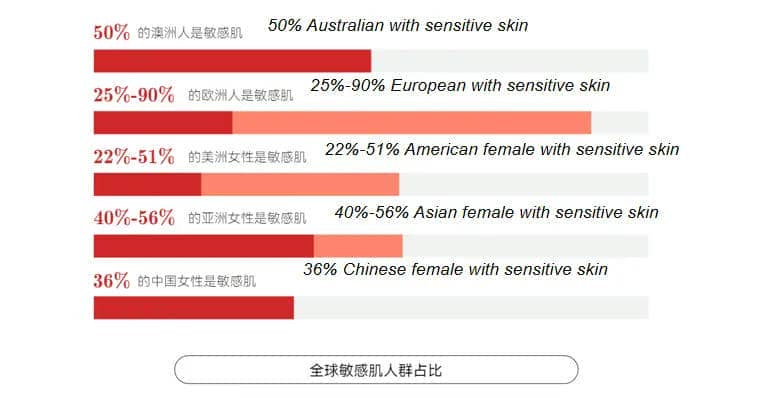
Currently, the mainstream anti-irritation target is TRPV1. The human body senses external stimuli through the TRPV family, of which six members are known, TRPV1 to TRPV6.
If an anti-irritation ingredient is only effective on TRPV1 and insensitive to other TRPV receptors, it is not sufficient to cover all sources of stimuli to which the skin is subjected. The market needs a new anti-irritant target that not only synergizes with TRPV1 but also inhibits the stimulus signals generated when other TRPV receptors are activated.
After years of in-depth research, Plamed found that kava root extract (Piper methysticum) can directly affect the transmission of stimulus signals, action potentials (AP), generated by the activation of various TRPV receptors, through a novel mechanism of action. This gives it a broader and more reliable anti-irritating effect.
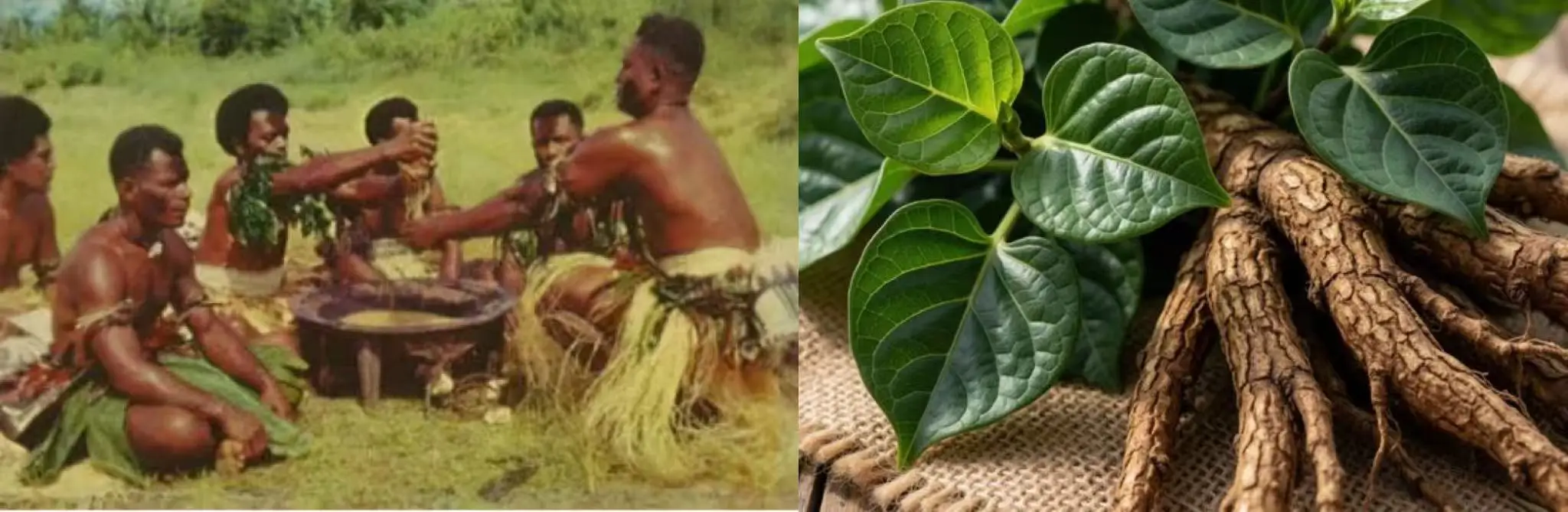
Botanical Source: Kava Root (Piper methysticum) from the South Pacific Islands
Kava has been consumed in the South Pacific islands for 3,000 years, where it is considered sacred by the indigenous people and used in religious and cultural ceremonies. Kava is used to make “kava wine,” which is regarded as the national drink and is served when entertaining VIP guests, holding important festivals or discussing important matters. Kava is considered a natural answer to stress, anxiety, depression and insomnia.
Plamed has conducted efficacy demonstration and mechanism of action research on kava for soothing sensitive skin, and in 2021 verified that kava can block neurotransmitter transmission.
The raw material behind PMSoothe® Kava97 is kava root sourced from the South Pacific islands, from the plant Piper methysticum — the same plant familiarly called kava kava. The soothing kavalactones, including kavain and yangonin, are concentrated in the root and rhizome, which is why this water-soluble kava extract is produced from the root only rather than from a mixed root, stem and leaf material.
Technical Specifications of Kava Root Extract Powder (Piper methysticum)
Identity and Specifications
Field | Specification |
Product name / Trade name | PMSoothe® Kava97 |
Product identity | Kava root extract |
Product family | Soothing Agents |
Product type | Active Ingredients |
INCI | PIPER METHYSTICUM ROOT EXTRACT; HYDROXYPROPYL CYCLODEXTRIN |
Product form | Powder |
Appearance | Off-white to light yellow powder |
Odor | Characteristic |
Solubility | Water soluble |
Raw material source | Kava root (Piper methysticum) from the South Pacific islands |
Technical Properties
Property | Specification |
Composition | PIPER METHYSTICUM ROOT EXTRACT 15%; HYDROXYPROPYL CYCLODEXTRIN 85% |
Kavain | ≥4000 ppm; HPLC |
Yangonin | ≥500 ppm; HPLC |
Color | Off-white to light yellow |
Moisture | ≤10.0% |
Ash | ≤7.0% |
Pb | ≤10 ppm |
As | ≤2 ppm |
Hg | ≤1 ppm |
Cd | ≤5 ppm |
Total plate count | ≤1000 CFU/g |
Yeast & mould | ≤100 CFU/g |
Pseudomonas aeruginosa | Not detected |
Staphylococcus aureus | Not detected |
Heat-resistant Escherichia coli | Not detected |
Recommended use level | 0.1%–2.0% |
Shelf life | 36 months when stored properly |
Storage | Stored in a well-closed container in a dry and ventilated place; avoid sunlight and high temperature |
Aqueous-solution stability support is available under defined temperature and pH conditions. In Plamed’s own evaluation, no significant color change or precipitation was observed after 1 year at different pH values and at low (4 °C), room (20–30 °C) and high (45 °C) temperatures. Final formulation stability should be confirmed in the target system. For the technical data sheet, specification, stability report or method of analysis, see the Procurement tab.
Efficacy Test Results: AP Signaling Inhibition, TRPV1 Inhibition and Human Anti-Irritation
1. AP target inhibition test
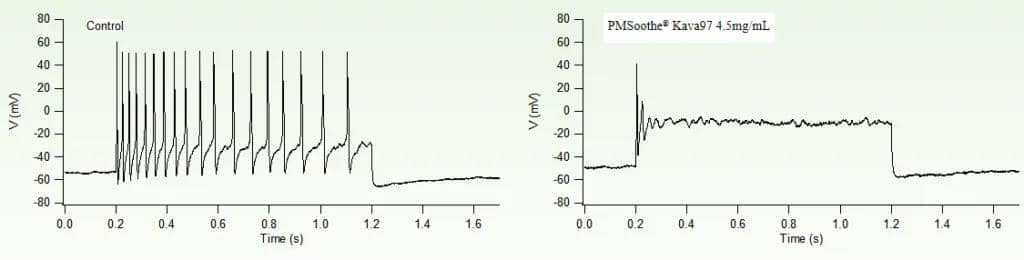
Based on neurons, PMSoothe® Kava97 at 0.45% concentration inhibits action-potential (AP) induced frequency by 89.34%.
2. TRPV1 protein test
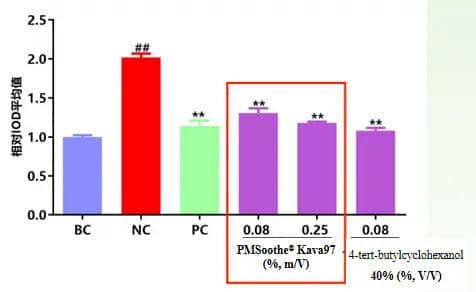
Based on keratinocytes, PMSoothe® Kava97 inhibited capsaicin receptor (TRPV1) by 35.64% and 41.58% at concentrations of 0.08% and 0.25% respectively. At the same concentration the effect was close to that of 4-tert-butylcyclohexanol.
3. Soothing of irritating ingredients
Based on the chick embryo chorioallantoic membrane (HET-CAM) test: 0.5% PMSoothe® Kava97 reduces the moderate irritation of salicylic acid to mild irritation; 0.5% PMSoothe® Kava97 reduces the moderate irritation of vitamin A to no or light irritation; 0.5% PMSoothe® Kava97 reduces the moderate irritation of phenylethyl resorcinol to no irritation.
4. Zebrafish total moving distance
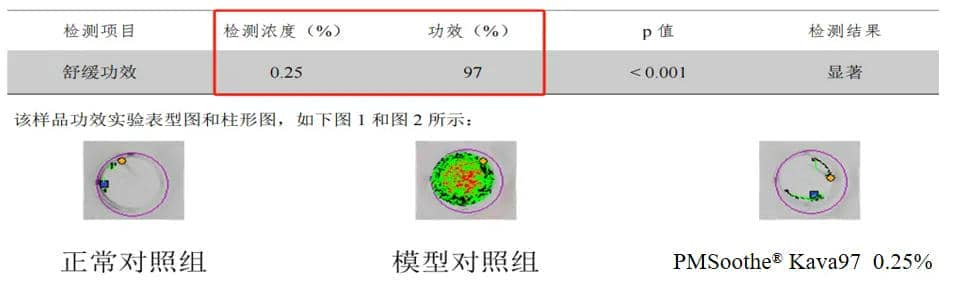
Based on the zebrafish test, PMSoothe® Kava97 at 0.25% concentration shows a nerve-soothing effect as high as 97%.
5. Human face anti-irritation efficacy test
The faces of 30 eligible subjects with sensitive skin were stimulated with 0.01% capsaicin and then treated with a single application of PMSoothe® Kava97. Compared with the matrix control group, there were significant improvements in the area of skin redness and in a-values at all time points.
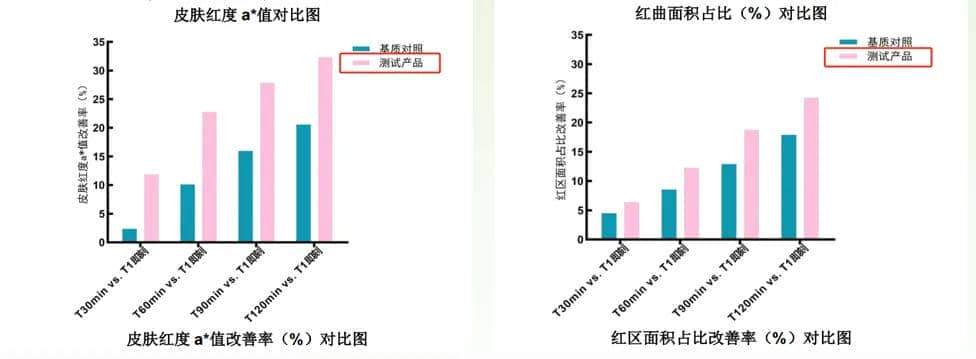
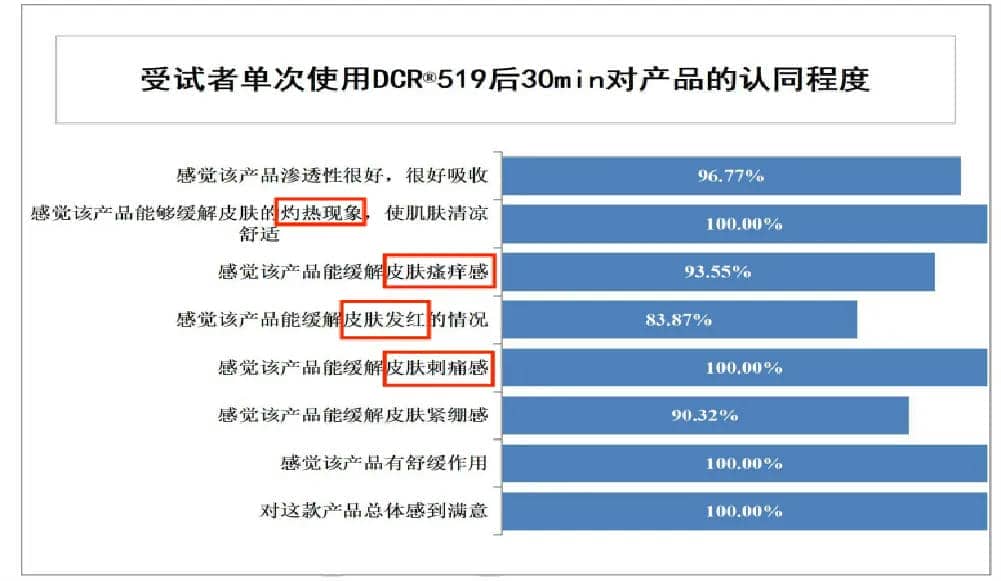
Subject perception after 30 minutes —After a single 30-minute application, the 30 subjects reported 100% relief from burning and tingling, 93.55% relief from itching, and 83.87% relief from redness and other visible phenomena.
Dual-Target Anti-Irritation via TRPV1 and AP Signaling
Multi-model Efficiency Testing
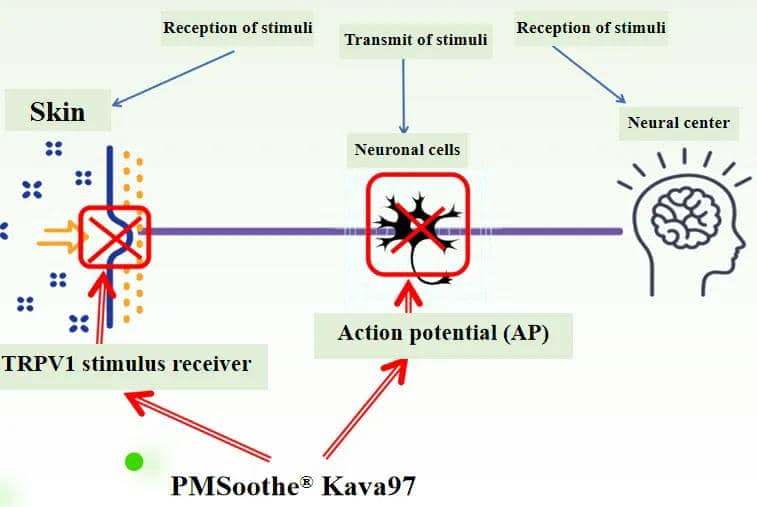
PMSoothe® Kava97 blocks the production of burning, pain and itching through two targets simultaneously, acting mainly on the skin sensory nervous system. It inhibits both neural excitation (by inhibiting TRPV1 protein expression) and neurotransmitter transmission (by inhibiting AP signaling), achieving rapid nerve relief.
Compared with the traditional TRPV1 target, inhibition of action potentials (AP) blocks multiple stimulus signals more comprehensively. Multiple receptor subtypes such as TRPV1–TRPV6 are distributed in human skin and perceive different stimuli. Traditional TRPV1 inhibitors are limited by their single target of action.
However, regardless of which TRPV receptor is activated, the stimulus signals generated ultimately need to be transmitted to the brain in the form of AP. Inhibiting AP therefore maximizes the blockage of various stimulus signals and provides a broader anti-irritation effect.
The product uses a supramolecular encapsulation approach with Hydroxypropyl Cyclodextrin to support the water solubility and formulation usability of kava-derived active components, including kavalactones such as kavain and yangonin. This is what allows a kava extract to be used directly in aqueous and water-based cosmetic systems, where a conventional kava root powder or oil-soluble kava extract would not disperse readily.
Plamed kava extract uses advanced green supercritical extraction technology. In this process CO2 is compressed into a liquid as the extraction solvent, replacing chemical solvents such as ethyl acetate and methanol. After extraction, CO2 recovery technology is applied, and the residual amount of CO2 in the final product is lower than the CO2 content in air.
The extraction temperature is around 45 °C, lower than the maximum ambient temperature and well below the 80–90 °C used in conventional extraction, which preserves as much as possible the natural active components of kava root: the kavalactones.
Benefits and Applications of Kava Root Extract for Sensitive Skin and Calming Formulations
Benefits
Benefit | Description |
Sensitive-skin soothing | Supports soothing and calming care for sensitive and irritation-prone skin formulations. |
Action-potential signaling modulation | Modulates action-potential signals to create pathways distinct from single-receptor mechanisms. |
Water-based formulation compatibility | Suitable for aqueous and water-based cosmetic systems. |
Irritation-prone formulation support | Supports formulation development for products containing potentially irritating active ingredients or preservative systems. |
Skin-barrier support | Supports skin-barrier-related cosmetic applications. |
Anti-aging application | Supports anti-aging formulation development as an additional application direction. |
Application
Module | Recommended content |
Markets | Skin care; sensitive skin care; sun care; hair care / scalp care |
Applications | Soothing; calming; anti-irritation support; skin barrier support; anti-aging |
Product formats | Serum; cream; lotion; mask; after-sun care; scalp care; shampoo and rinse-off care |
Formulation scenarios | Sensitive-skin care; exfoliating-acid formulations; retinoid-containing formulations; preservative-system support; surfactant-system support; after-sun care; scalp care |
For formulators comparing calming skin ingredients for sensitive skin, the practical selection point is not only the soothing effect itself but whether the ingredient can be built into the target system. Because PMSoothe® Kava97 is water soluble and preservative-free, it can be added to a skin barrier calming lotion, a serum or a mask without a separate solubilizer step, and it is equally suited to rinse-off formats such as scalp care and shampoo.
In formulations where the irritation comes from another active — exfoliating acids, retinoids or a preservative system — it is typically paired at the higher end of the 0.1%–2.0% range so that the finished product remains good for sensitive skin. For skincare targeting dry sensitive skin, the recommended approach is to combine it with barrier-lipid ingredients, since the ingredient addresses the sensory irritation response rather than the lipid deficit itself.
No irritation
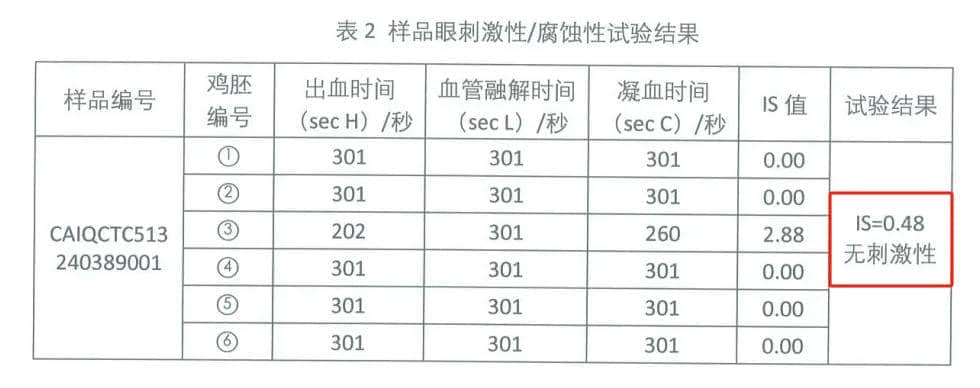
PMSoothe® Kava97 has no irritation at the concentration of 1%, based on vitro eye irritation test.
Human skin patch test
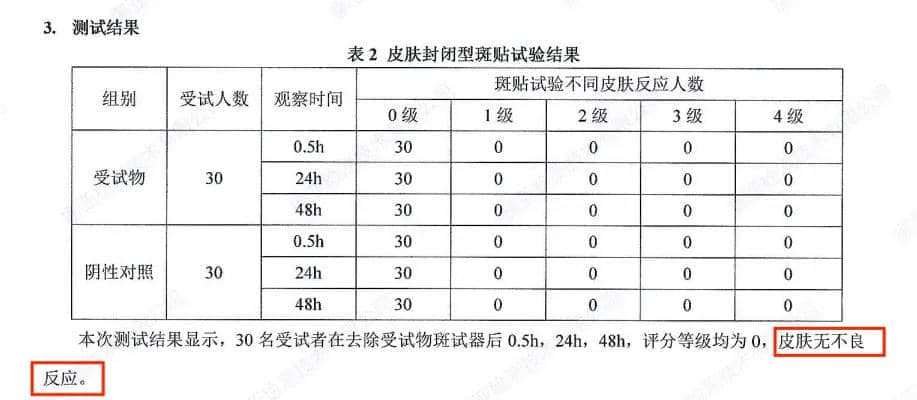
According to Test–Human skin patch test, skin adverse reactions occurred in 0 out of 30 people in 48 hours using 2% PMSoothe® Kava97.
Compliance
Compliance area | Available information |
INCI and composition | PIPER METHYSTICUM ROOT EXTRACT; HYDROXYPROPYL CYCLODEXTRIN |
SDS / safety | Technical specifications, quality and safety information, and safety data documentation |
Analytical method | HPLC method of analysis for kavain and yangonin |
Allergen information | Allergen statement addressing the allergenic substances listed in Annex III of Regulation (EU) 2023/1545 |
Natural origin information | ISO 16128-1 natural index and natural origin index information; the current calculation reports a natural origin index of 77.9% |
Preservative attribute | Preservative-free according to the available supplier statement |
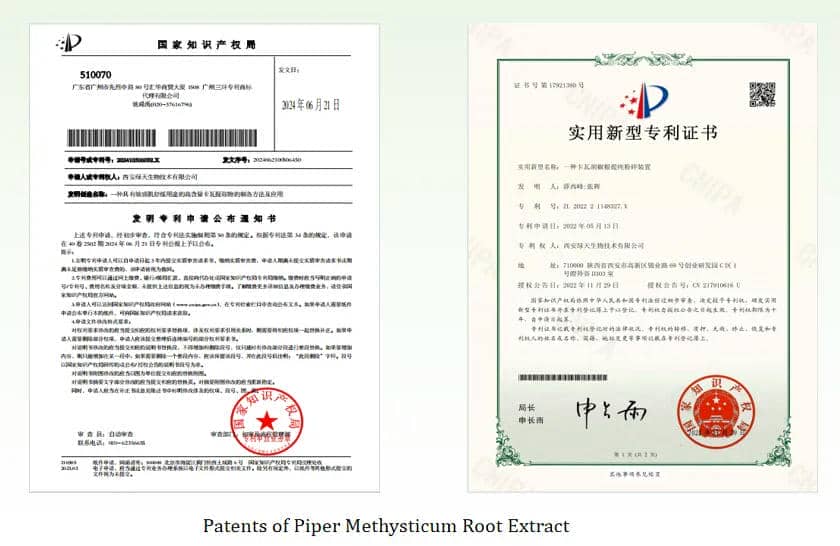
Technical standard support | White Paper on the AP Neural Anti-Irritation Pathway in Cosmetics; invention patent for the extraction method of kavalactones for cosmetic use; utility model patent for a purification and pulverization device for kava root. Relevant group standards include T/CAFFCI 108—2026, Cosmetic Ingredients — Piper methysticum Root Extract, and T/GDCA 088—2026, Evaluation of Skin Irritation Potential of Cosmetic Ingredients — Enzyme-Linked Immunosorbent Assay. |
PMSoothe® Kava97 is supplied with supporting information for ingredient identity, composition, quality specifications, safety, stability, formulation use and relevant product attributes. Regulatory assessment should be completed for the finished cosmetic product and the target market.
Stability Test
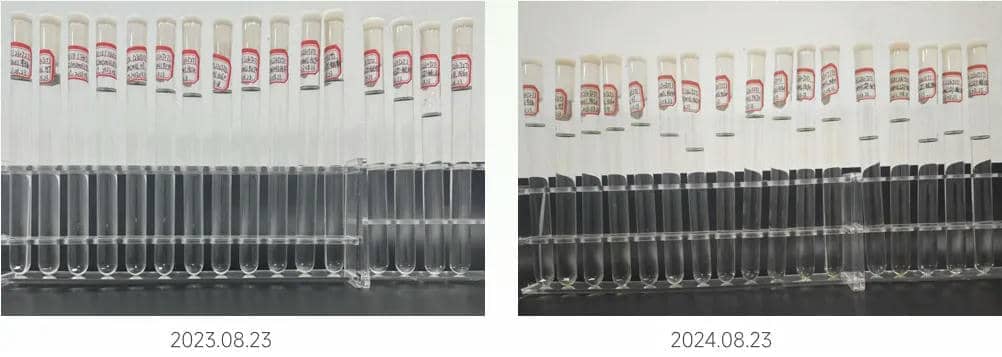
There was no significant color change or precipitation of Plamed Kava pepper root extract after 1 year at different pH, low (4°C), room (20-30°C) and high (45°C) temperatures.
Packaging and Storage of Kava Root Extract Powder
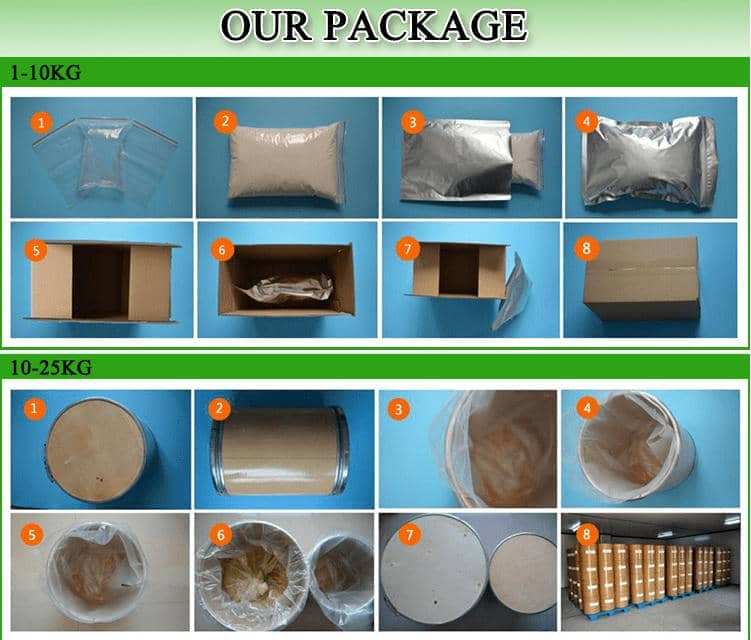
Package: Packed in 25 kg paper drums with two plastic bags inside.
Storage: Stored in a well-closed container in a dry and ventilated place; avoid sunlight and high temperature.
Shelf life: 36 months when stored properly.
Plamed focuses on natural cosmetic ingredients for more than 10 years. We have founded four subsidiary companies, which respectively develops different kinds of cosmetic raw material. Plamed is a company whose CEO is designated as the first secretary general of Shaanxi Plant Extraction Association.
As a professional SAnti-irritating cosmetics ingredient PMSoothe® Kava97 manufacturer, Plamed have been constantly upgrading the production process. We firmly believe that good SAnti-irritating cosmetics ingredient PMSoothe® Kava97 and good Anti-irritating cosmetics ingredient PMSoothe® Kava97 price will help customers make good terminal products and help customers win a lasting and broad market.
Procurement and Supply: Kava Root Extract Powder Documentation and Origin
Field | Information |
Supplier | PLAMED (Plamed Green Science Group) |
Supply region | Global |
Commercial route | PLAMED official product page |
Finished product origin | Made in China |
Raw material source | Kava root (Piper methysticum) from the South Pacific islands |
Minimum order | 1 kg (sample and pilot quantities available on request) |
Available Document of PMSoothe® Kava97
Material Safety Data Sheet (MSDS)
Technical Specification
Safety Data Sheet
Certificate of Analysis
Stability Report
Method of Analysis
Compositional Breakdown Statement
Allergen Statement
ISO 16128-1 Natural Origin Information Statement
Vegan and Non-animal Statement
Preservative-free Statement
Application Formulations
Manufacturing Flow Chart
Technical Standard Support Documents
Efficacy and Safety Support Reports
To request a quote or a sample, contact Plamed Green Science Group here.
PMSoothe® Kava97 is supplied as a water-soluble kava extract powder from a single manufacturing site, so specification and batch-to-batch consistency are controlled at the source rather than across multiple co-manufacturers. For pricing, volume supply and lead time, request a quotation with your target use level and annual volume; samples are available for formulation screening before a commercial order.
Q:This kava root extract performs similarly to synthetic “4-tert-Butylcyclohexanol” in TRPV1 inhibition. What is the differentiation advantage?
A: Traditional 4-tert-butylcyclohexanol targets only a single TRPV1 receptor. Beyond TRPV1 inhibition, PMSoothe® Kava97’s ultimate advantage lies in its ability to block Action Potentials (AP). No matter which peripheral receptor mediates the irritation, the signals must convert into AP to reach the brain, giving PMSoothe® Kava97 a much broader and more comprehensive anti-irritant and soothing effect.
Q:Why is the anti-wrinkle mechanism of this kava extract powder focused on dynamic lines, while the in vivo test report evaluates static wrinkles?
A: In human clinical trials, the inclusion criteria strictly selected female subjects “presenting with facial expression lines and dynamic wrinkles.” However, during evaluation, subjects must maintain a relaxed facial expression, meaning the lines captured and quantified by instruments physically present as static. The highly significant improvement in data precisely proves that the product is remarkably effective in smoothing the wrinkles left by dynamic expressions.
Q:When testing skin barrier repair efficacy for sensitive skin , why is a higher value (e.g. skin barrier repair effect) considered better?
A: The study utilizes SLS (Sodium Lauryl Sulfate) to construct a skin barrier damage model. Once damaged, the barrier cannot easily self-restore to its baseline healthy state (blank control) in the short term. Taking the healthy skin state as the ideal reference, higher repair data indicates a stronger capacity to drive the damaged skin back to normalcy.
Q:How to choose between oil-soluble Kava (PMSoothe® Kava-Oil) and the water-soluble kava extract powder (PMSoothe® Kava97)? How do they compare in cost-effectiveness?
A: The choice primarily depends on your formulation forms. PMSoothe® Kava-Oil was launched to assist formulators in developing pure anhydrous systems. In terms of cost-effectiveness based on active content, Kava Oil doubles the Kavain concentration while the price increase is marginal, making it exceptionally cost-effective.
Q:Does this kava extract powder provide anti-irritation data for rinse-off products such as shampoos and cleansers?
A: Yes. Against 6 classic surfactant combination models frequently used in rinse-off products (including SLS/SLES, amino acid surfactants, and betaines), tests show that 1% PMSoothe® Kava 97 effectively reduces moderate surfactant-induced irritation down to non-irritation. Furthermore, for selenium disulfide (a common anti-dandruff agent), 1% PMSoothe® Kava 97 successfully mitigates its mild irritation to a non-irritating level.
Q:Can kava root extract powder be used in Carbomer thickening systems? Will it cause a viscosity drop?
A: Yes. Compatibility reports show that adding PMSoothe® Kava 97 into a neutralized Carbomer system or natural polymer thickening systems does not affect viscosity (it is recommended to add it post-neutralization).
Note: If added to highly ion-sensitive thickeners (such as AVC or EMT-10), a slight viscosity drop may occur, which can be compensated for by slightly increasing the thickener dosage. Additionally, it may cause mild haziness with EMT-10, so pairing them in crystal-clear transparent formulas is not recommended.
Q:Will this kava extract powder turn yellow when compounded with whitening ingredients such as Phenylethyl Resorcinol (377) or Tranexamic Acid? How do you formulate a non-oily, non-irritating serum?
A:Discoloration Risk: Tranexamic acid solutions exhibit a high pH (7–8). Kava carries an aggravated risk of yellowing when stored long-term in environments with pH≥7. It is advised to adjust the final formulation pH to around 6 to maintain optimal stability.
Formulation Guide: PMSoothe® Kava 97 is fully compatible with water-based serums and commonly-used thickeners. In HET-CAM anti-irritation tests against 377, a dosage of 0.5%–1% significantly reduced the irritation of the whitening actives, helping prevent post-inflammatory hyperpigmentation (PIH) caused by irritation.
Q:What is the difference between Kava pepper “root extract” and commercial “root, stem, and leaf extract”?
A: The crucial differences lie in active concentration and safety. The soothing kavalactones are primarily concentrated in the roots and rhizomes of the plant. “Root, stem, and leaf extracts” dilute the active concentrations due to the heavy leaf mass and introduce alkaloids from the leaves that carry potential hepatotoxicity risks. Thus, pure root extraction is vastly superior in both efficacy and safety.
Q:Handling details for this kava extract powder during dissolution, stability and compounding tests:
Q1: Precipitation after 7 days under refrigeration?
A:Our internal stability tests confirm no precipitation for up to 5 months under low temperatures. Precipitation in a finished formula is typically caused by compounding with high-molecular polymers or polysaccharides (like sodium hyaluronate or xanthan gum), which reduce free water availability. Try restoring to room temperature or heating slightly (below 45°C) to see if it re-dissolves.
Q2:Any negative impact if added at 80–90°C for 30 minutes during production?
A:No impact. PMSoothe® Kava 97 contains hydroxypropyl beta-cyclodextrin (spray-dried at over 100°C), and the active extract undergoes an 8-hour drying stage at 75°C during manufacturing without any degradation.
Q3:Difficult to dissolve via manual stirring?
A:We recommend using standard mechanical or magnetic stirrers in the lab, which will dissolve it rapidly; mild heating can also significantly accelerate dissolution.
Q4:When testing the anti-irritant efficacy, is it better to test the raw material aqueous solution directly or to make it into a basic formula?
A:For rapid screening or evaluating the raw material’s inherent ability to block a specific irritant, a simple aqueous dilution is sufficient. However, to test its buffering capacity within a complex formulation, or to evaluate long-term anti-wrinkle/repair effects, formulating it into a base formulation is highly recommended.
Q:Is kava root extract effective against histamine-induced itching and redness?
A: The efficacy is relatively limited due to divergent pathways. Histamine-induced pathways: This follows a “trigger-first, conduct-later” GPCR cascade. Histamine activates H1 receptors, multiplying internal second-messenger signals inside cells. Kava operates primarily via “ion-channel interception” and downstream “AP blocking”. Because the upstream GPCR signals have already amplified, downstream interception yields limited results. Kava’s Strength (Non-histamine irritations): Kava excels against stinging, heating, and burning induced by capsaicin or physical stimuli, because these follow a direct “neuronal firing” mode highly dependent on Action Potentials, which Kava cuts off directly at the master switch.