
Kojic Acid Dipalmitate: Stable Oil-Soluble Skin Brightening Active
Plamed’s ≥98% pure Kojic Acid Dipalmitate offers enhanced photothermal stability, oil solubility, and formulation compatibility to support skin brightening, dark spot reduction, and more even-looking skin tone.
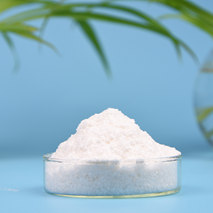
Kojic Acid Dipalmitate
Kojic Acid Dipalmitate is an oil-soluble skin-brightening active that helps reduce melanin production by inhibiting tyrosinase activity. It helps improve the appearance of dark spots and uneven skin tone and is widely used in skin-brightening and anti-aging skincare formulations.
Compared with conventional kojic acid, Plamed’s Kojic Acid Dipalmitate, with a purity of ≥98%, offers enhanced light and heat stability, oil solubility, and formulation compatibility. It is less prone to discoloration, providing a more stable and formulation-friendly brightening active for oil-phase and emulsion systems.
At a glance
Item | Data |
INCI name | Kojic Acid Dipalmitate |
CAS number | 79725-98-7 |
Molecular formula | C38H66O6 |
Molecular weight | 618.93 g/mol |
Purity | ≥98% |
Appearance | White sheet crystal powder |
Melting point | 92–96 °C |
Solubility | Oil-soluble; insoluble in water |
Other name | Kojic dipalmitate |
Product ID | PMB0801 |
Minimal package | 1 kg |
MOQ | 1 kg |
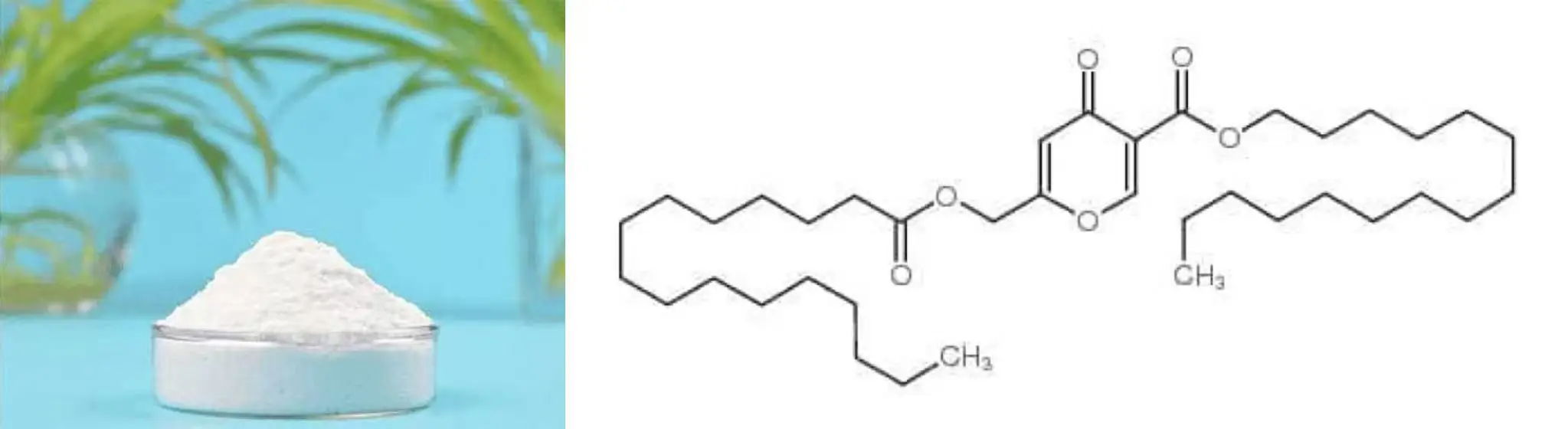
What Is Kojic Acid Dipalmitate?
Kojic acid dipalmitate (KAD) is the fully esterified derivative of kojic acid: both hydroxyl groups of the kojic acid molecule are esterified with palmitic acid, giving C38H66O6 with a molecular weight of 618.93 g/mol. The esterification removes the free hydroxyl groups, and that single structural change explains most of what formulators notice in practice: the powder is oil-soluble instead of water-soluble, it does not react with water-soluble actives through hydrogen bonding, and it no longer shows the oxidative browning that kojic acid develops in storage and in finished formulas.
In cosmetics, KAD works as a brightening active: like kojic acid, it inhibits tyrosinase, the enzyme that catalyses the first steps of melanin formation. Because the molecule carries two C16 chains, it also contributes a light emollient feel, which is why it slots naturally into oil-phase and emulsion systems rather than clear water-based serums.
Source and manufacturing process
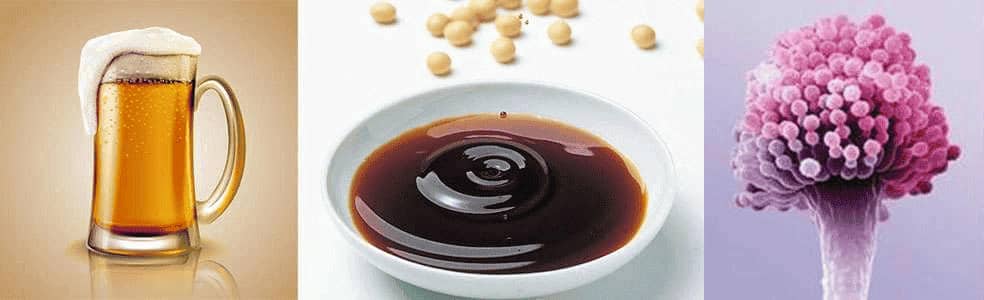
Kojic acid itself is a fermentation product: it is produced from carbohydrates by Aspergillus oryzae, the same fungus used in sake and soy sauce brewing, and it also occurs naturally in soy sauce, rice wine and other fermented foods. Japan began industrial kojic acid production in the 1970s, and the molecule is used both in cosmetics and, as a natural preservative, in food.
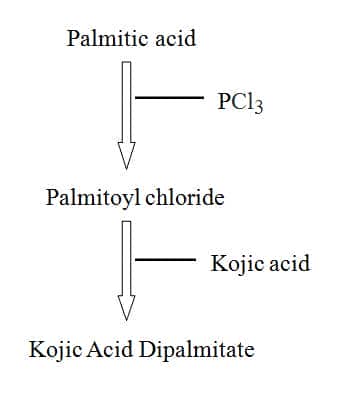
Kojic acid dipalmitate is made from kojic acid by esterification with palmitic acid. The process converts the free hydroxyl groups into palmitate esters, and the finished KAD is purified, crystallised and milled into the white sheet crystal powder shown in the flow chart below.
Kojic Acid Dipalmitate vs Kojic Acid: What Is the Difference?
The difference between kojic acid and kojic acid dipalmitate is structural, and everything else follows from it. Kojic acid dipalmitate vs kojic acid: the ester carries two palmitate chains instead of two free hydroxyl groups, which changes solubility, stability and how the ingredient behaves in a formula. Viewed the other way round, kojic acid vs kojic acid dipalmitate is a choice between a water-soluble raw acid and an oil-soluble ester built for stable emulsion systems.
Dimension | Kojic Acid | Kojic Acid Dipalmitate |
Solubility | Water-soluble; kojic acid powder dissolves in the water phase of a formula | Oil-soluble; melted into the oil phase |
Stability | Prone to oxidative browning in storage and in finished products | More stable to light and heat; resists discoloration |
Formula behaviour | Free hydroxyl groups can form hydrogen bonds with other actives | No free hydroxyl groups, so it does not hydrogen-bond with other actives |
Typical forms | Water-based serums, toners | Creams, lotions, balms, oil-phase and emulsion systems |
Price level | Lower | Higher (esterification step added) |
The practical summary: kojic acid powder suits water-phase systems where discoloration can be managed; kojic acid dipalmitate suits oil-phase and emulsion systems where stability, formula compatibility and a non-discoloring shelf life matter more.
Kojic Acid Dipalmitate Specifications
Plamed releases every lot of kojic acid dipalmitate against the following manufacturer specification:
Items | Specifications |
Assay | Kojic Acid Dipalmitate ≥98% |
Appearance | White sheet crystal powder |
Melting point | 92–96 °C |
Loss on Drying | ≤0.5% |
Residue on ignition | ≤0.5% |
Color reaction of ferric chloride | Negative |
Total Heavy Metals | ≤10 ppm |
As | ≤2 ppm |
Total Plate Count | ≤300 cfu/g |
Total Yeast & Mold | ≤100 cfu/g |
Three lines in this table carry the most formulation weight. The melting point of 92–96 °C tells you KAD must be melted into the oil phase rather than sprinkled in cold. The ferric chloride negative result confirms the phenolic hydroxyl of kojic acid is gone — the direct chemical evidence that the esterification is complete. The microbiological limits apply to the powder as supplied, so the usual handling hygiene still applies after opening.
What Does Kojic Acid Dipalmitate Do for Skin?
KAD keeps the working mechanism of kojic acid — inhibition of tyrosinase, the enzyme that catalyses melanin formation — and adds the formulation behaviour kojic acid lacks. In finished products, that combination is why kojic acid for skin brightening has moved towards the esterified form.
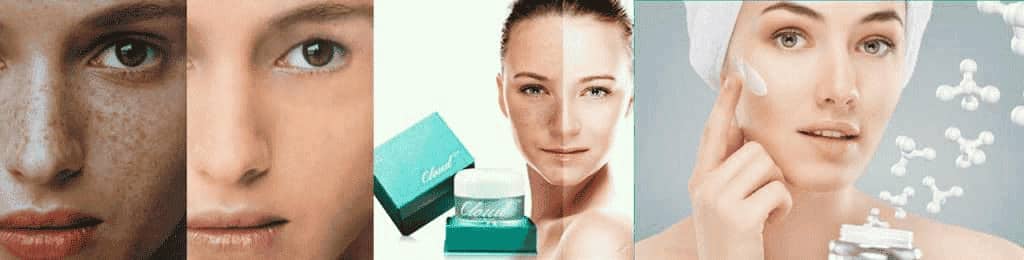
Brightening with a stable shelf life. KAD inhibits tyrosinase, so it is positioned in products targeting the appearance of dark spots and uneven skin tone — serums, creams and masks in the kojic skin care products aisle. Unlike kojic acid solutions that brown over time, the ester resists discoloration, so the product a consumer opens in month twelve looks the same as the one packed in month one.
Formulation freedom.
With no free hydroxyl groups, KAD does not form hydrogen bonds with other actives, so it can be combined with common brightening and antioxidant ingredients without the compatibility workarounds kojic acid sometimes needs. This is also where the questions people ask about kojic acid for skin translate to the ester: same mechanism, but the ingredient survives light, heat and storage.
Emollient skin feel.
The two C16 palmitate chains give the molecule an oily, emollient character, so KAD contributes to skin feel in creams and lotions instead of sitting as a foreign body in the oil phase.
Where it fits.
When shoppers search kojic acid for dark spots, the products they find on shelf are increasingly KAD-fortified creams and serums: the ingredient is chosen for the appearance of hyperpigmentation positioning precisely because it stays stable and colour-true in emulsion systems.
Kojic Acid Dipalmitate Solubility and Stability
Is kojic acid dipalmitate water soluble? No — and that is the point. KAD is oil-soluble and insoluble in water, which is the direct consequence of esterifying both hydroxyl groups of kojic acid with palmitic acid. It dissolves in the oil phase when heated above its melting point of 92–96 °C, so the standard handling is to melt it into the oil phase before emulsification rather than adding it to the water phase.
Stability in storage and in formula. Compared with kojic acid, KAD is more stable to light and heat and resists discoloration. The chemical reason is the same esterification: kojic acid browns because its phenolic hydroxyl oxidises, and KAD no longer has one. This is why kojic acid dipalmitate is the form chosen when a brand needs a kojic-acid-type active that survives hot-process emulsification and a long shelf life without turning brown.
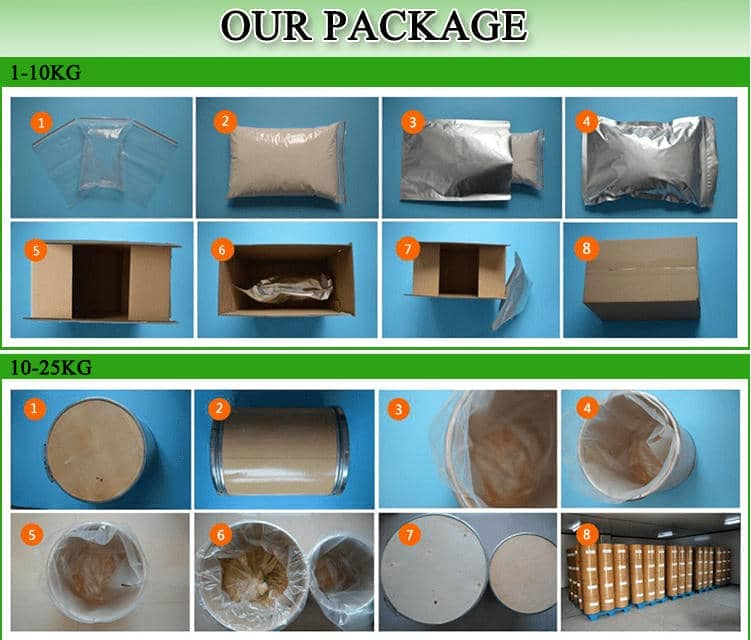
Storage and packing. Packed in 25 kg paper drums with two plastic bags inside. Store in a cool, dry place away from direct sunlight and oxidising agents, as you would for any ester raw material.
How to Use Kojic Acid Dipalmitate: Application and Dosage
Kojic acid skin care spans serums, toners, creams and masks, and KAD is the oil-soluble form used across these formats wherever a colour-stable brightening active is needed. The reference dosage is 1%–3% in cosmetics.
Application | Product types | Reference dosage |
Skin care | Brightening serum, dark-spot-fade cream, moisturiser, mask | 1%–3% |
Formulation notes. Add KAD to the oil phase and heat until fully melted (melting point 92–96 °C), then emulsify as usual. The role of kojic acid in skin care has kept expanding as esters like KAD solve the discoloration problem of the parent acid. Because the ester does not hydrogen-bond with other actives, it is compatible with common brightening partners such as arbutin derivatives and vitamin C derivatives; verify the final system with a stability test as usual.
Where you will find it. Questions about kojic acid for face routines — serums, fade creams, night moisturisers — are answered in finished products by either kojic acid or its dipalmitate. The ester is the form behind oil-rich creams and lotions positioned for the look of dark spots and uneven tone.
Reference Formula
Brightening toner
Ingredient | Content (%) |
Kojic Acid Dipalmitate | 0.15 |
Glycerin | 5.0 |
Ethanol | 10.0 |
Polyethylene glycol | 2.0 |
Oleyl alcohol polyglycol ether | 2.0 |
Potassium hydroxide | 0.03 |
Preservative | Appropriate amount |
Fragrance | Appropriate amount |
Purified water | 80.82 |
Preparation: dissolve the water-phase components, add the ethanol phase, and homogenise.
Safety and Regulatory Status
Kojic acid dipalmitate is used as a cosmetic raw material worldwide, and the esterified form has no publicly documented safety restriction for topical cosmetic use at typical use levels. As an ester, KAD contains no free acid group, so it does not shift the pH of a formula the way the free acid can, and the free hydroxyl groups that drive kojic acid's reactivity are no longer present.
For target-market compliance, work from current local inventories and the documents we supply: the composition statement, specification sheet and safety data sheet in the document package describe the material as manufactured, and our team can support market-specific questions through the contact page. As with any active, finished-formula safety and stability testing remains the brand's responsibility, and patch testing of the finished product is standard practice.
Where to Buy Kojic Acid Dipalmitate Powder
Plamed supplies kojic acid dipalmitate directly to cosmetic brands and formulators, with wholesale orders available for different quantities and destination markets. As a manufacturer with control over the esterification process, we maintain consistent product specifications, documentation, and packaging to support reliable sourcing and formulation development.
Item | Detail |
Product ID | PMB0801 |
Purity | ≥98% |
MOQ | 1 kg |
Minimal package | 1 kg |
Bulk packing | 25 kg paper drum, two plastic bags inside |
Price | Quoted per quantity and market (kojic acid dipalmitate price on request) |
Available Document of Kojic Acid Dipalmitate
Certificate of Analysis (COA)
Material Safety Data Sheet (MSDS)
Product Specification Sheet (SPEC)
Composition Statement / Compositional Breakdown
Manufacturing Process Flowchart
Analytical / Test Method
Halal Statement
Product Brochure & Technical Introduction
To request a quote or a sample, contact Plamed Green Science Group here.
To buy kojic acid dipalmitate, send your target quantity, destination market and required documents through the contact page; the sales team replies with a quotation, lead time and the document package. Whether you need one 1 kg trial drum or ongoing wholesale volumes, the specification stays the same ≥98% grade released against the table in the Specifications tab.
Q1. What is the difference between kojic acid and kojic acid dipalmitate?
A: The difference between kojic acid and kojic acid dipalmitate is the two palmitate esters. Kojic acid has two free hydroxyl groups, is water-soluble and browns on oxidation; KAD has both hydroxyls esterified, is oil-soluble, more stable to light and heat, and does not form hydrogen bonds with other actives. Same tyrosinase mechanism, very different formulation behaviour.
Q2. Is kojic acid dipalmitate water soluble?
A: No. Kojic acid dipalmitate is oil-soluble and insoluble in water — that is the main practical difference from kojic acid. It melts at 92–96 °C and is dissolved into the oil phase before emulsification, which is why it appears in creams, lotions and balms rather than clear water serums.
Q3. Does kojic acid dipalmitate work?
A: It works by the same mechanism as kojic acid: inhibition of tyrosinase, the enzyme that catalyses melanin formation. Products use it for the look of dark spots and uneven skin tone, and formulators choose the ester because it stays stable and colour-true where kojic acid browns. Finished-product performance still depends on the full formula and use concentration.
Q4. Is kojic acid dipalmitate safe for skin?
A: KAD is used as a cosmetic raw material worldwide at 1%–3% in finished products, and the esterified form has no publicly documented safety restriction for topical cosmetic use. It contains no free acid group, so it does not acidify formulas. As with any active, patch-test the finished product and follow your market's regulatory requirements.
Q5. Is kojic good for sensitive skin?
A: It depends on the form. Kojic acid is an acid and can be poorly tolerated at high levels; kojic acid dipalmitate is a neutral ester with no free acid group, which is why brands often choose it when they want a kojic-type active in a gentler, pH-friendly system. Sensitive-skin positioning should still be validated with finished-product testing.
Q6. What is kojic acid dipalmitate used for?
A: The main kojic acid dipalmitate uses are brightening serums, dark-spot-fade creams, moisturisers and masks at 1%–3%. The common kojic acid uses for skin — appearance-of-dark-spots and uneven-tone positioning — carry over to the ester, with the oil solubility and stability that make it easier to formulate.
Q7. How do you formulate with kojic acid dipalmitate?
A: Add it to the oil phase and heat above its melting point of 92–96 °C until fully melted, then emulsify. Because it has no free hydroxyl groups, it does not hydrogen-bond with other actives, so it combines readily with common brightening partners. Typical use level is 1%–3%.
Q8. What is the kojic acid dipalmitate structure?
A: The kojic acid dipalmitate structure is the 4H-pyran-4-one ring of kojic acid with both hydroxyl groups esterified by palmitic acid: molecular formula C38H66O6, molecular weight 618.93 g/mol, CAS 79725-98-7. The missing free hydroxyl is what removes the water solubility and the oxidative browning of the parent acid.
Q9. Where can I buy wholesale kojic acid dipalmitate powder?
A: From Plamed directly. As a kojic acid dipalmitate powder manufacturer and kojic acid dipalmitate powder supplier, Plamed offers wholesale kojic acid dipalmitate powder factory-direct: kojic acid dipalmitate powder for sale on this page means B2B supply, MOQ 1 kg, quoted per quantity and market. Send your enquiry through the contact page with quantity, market and required documents.
Q10. What does kojic acid dipalmitate cost?
A: Kojic acid dipalmitate price is quoted per project: it depends on quantity, destination market and the document package you need, so the kojic acid dipalmitate powder price is given on request rather than as a list price. MOQ is 1 kg with 1 kg minimal packing, and bulk volumes ship in 25 kg paper drums. Send your target quantity and market through the contact page for a quotation, lead time, sample availability and the full document set (TDS, COA, MSDS and more).