
PMRepair® Centella-WS | Water-Soluble Madecassoside Active
PMRepair® Centella-WS (INCI: CENTELLA ASIATICA EXTRACT, CAS 84696-21-9) — a ≥90% madecassoside + asiaticoside B dual-glycoside powder, 100% water-soluble, with FLG +44.44% measured at just 0.0625% in a 3D epidermis model (PMRP0201).
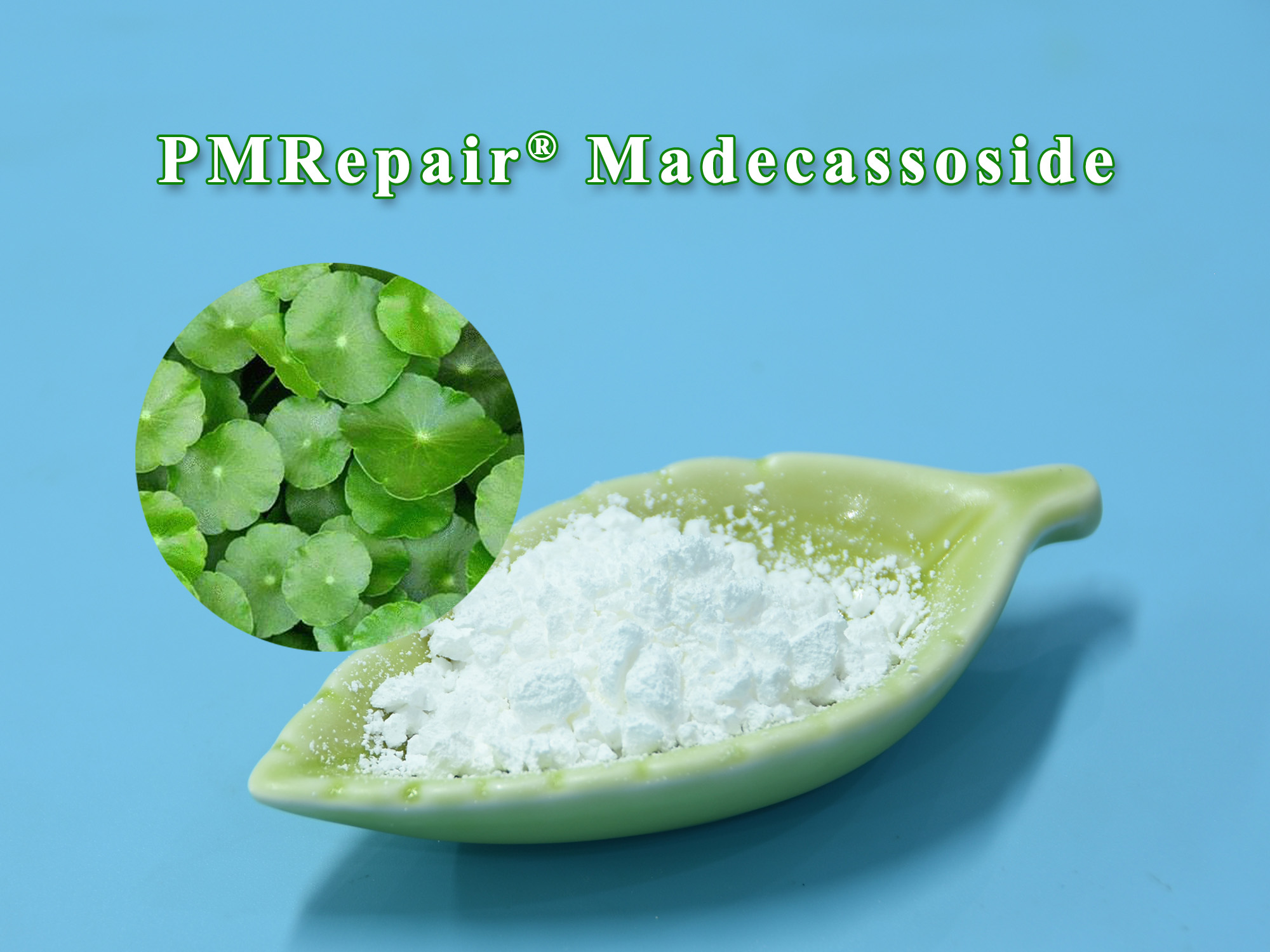
PMRepair® Centella-WS
PMRepair® Centella-WS is a repair active built on madecassoside and asiaticoside B, the core glycosides of centella asiatica, that helps promote skin barrier recovery and improves the condition of sensitive and compromised skin.
Plamed supplies PMRepair® Centella-WS as a ≥90% high-purity dual-glycoside powder with excellent water solubility and proven formulation stability — a reliable botanical active for transparent water-based serums and repair formulas.
At a glance
Attribute | Value |
INCI name | CENTELLA ASIATICA EXTRACT |
CAS number | 84696-21-9 |
Product ID | PMRP0201 |
NMPA raw material filing code | 005262-00579-6353 |
Specification | Madecassoside + Asiaticoside B ≥90% (HPLC) |
Appearance | Off-white to pale yellow powder |
Solubility | 100% water-soluble (clear solution) |
Reference dosage | 0.1%–0.5% |
MOQ | 0.5 kg |
PMRepair® Centella-WS is a water-soluble centella asiatica extract standardized on its two core triterpenoid saponins — madecassoside and asiaticoside B — at ≥90% combined purity (indicator component C₄₈H₇₈O₂₀). In cosmetics it works as a skin-repair active dosed at 0.1%–0.5% in transparent aqueous formulas.
In short: PMRepair® Centella-WS (INCI: CENTELLA ASIATICA EXTRACT, CAS 84696-21-9, PMRP0201, NMPA filing code 005262-00579-6353) is Plamed's ≥90% madecassoside + asiaticoside B powder — 100% water-soluble, FLG +44.44% at 0.0625% in a 3D epidermis model, dosed 0.1%–0.5%.
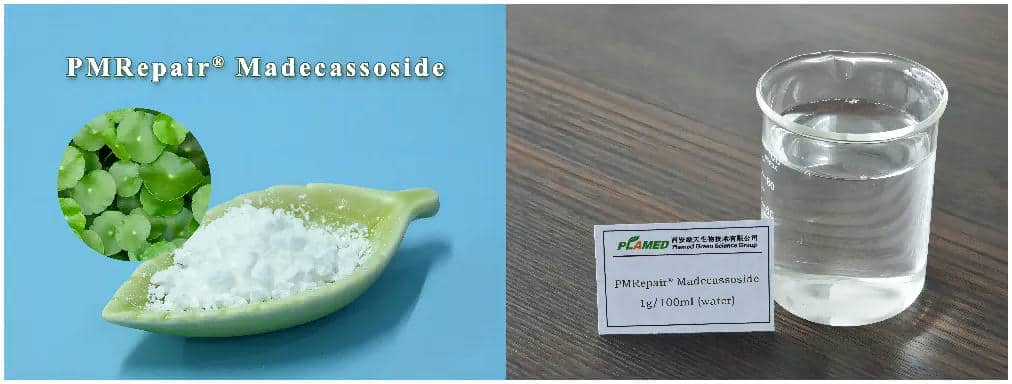
What it is.
Centella asiatica extract owes its repair reputation to four triterpenoids: asiaticoside, madecassoside, asiatic acid and madecassic acid. The two saponins — asiaticoside and madecassoside — carry most of the barrier-repair activity; the two acids are secondary. PMRepair® Centella-WS concentrates the saponin fraction to ≥90%, removing the impurities that traditionally cause turbidity and discoloration in centella asiatica skincare formulas — the reason this grade stays clear in water-based serums.
How it works.
In an in vitro 3D epidermis model (EpiKutis®), PMRepair® Centella-WS at just 0.0625% upregulated four barrier markers versus the injured control: filaggrin (FLG) +44.44%, loricrin (LOR) +28.21%, tight-junction protein Claudin-1 +26.19%, and living-cell layer thickness +15.17% (report GT-0003696). These proteins build the stratum corneum's chemistry, physical seal and cell-to-cell junctions — the mechanism behind measurable centella skin barrier repair rather than a generic botanical claim.
Where it fits in skin care.
Transparent water-based serums and toners, sensitive-skin repair lines, soothing creams where brands need proven centella soothing cream ingredients, and post-procedure care — anywhere a fully water-soluble madecassoside active is required.
Where does madecassoside come from?
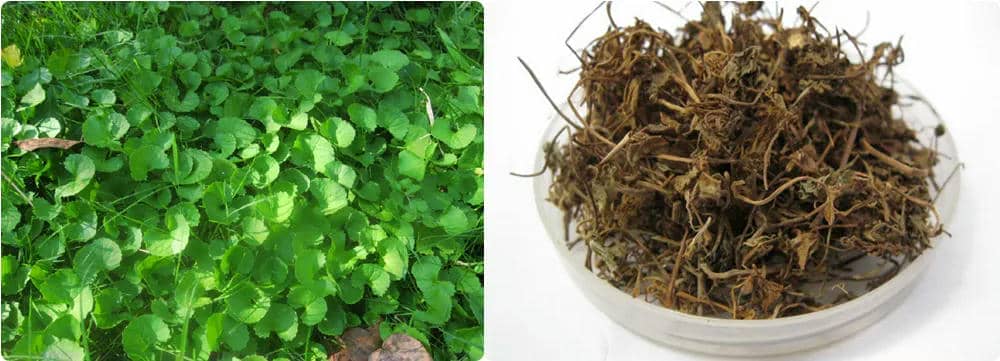
Centella asiatica — also called gotu kola or centella — is a perennial creeping herb native to India and now widespread across tropical and subtropical regions, mainly distributed south of the Yangtze River in China. It grows on wet river banks, swamps and meadows, and has been used as medicine in China for more than 2,000 years; Madagascar, South Africa, India, Southeast Asian countries and South America also use it as auxiliary and dermatologic medicine. The cosmetic-relevant actives are asiaticoside and madecassoside, plus asiatic acid and madecassic acid.
Gotu kola extract benefits for skin. The same triterpenoids behind gotu kola's herbal history are what modern formulators standardize for barrier repair — and the higher the madecassoside-family purity, the lower the dose needed to see the effect.
Plamed extracts high-quality centella asiatica plants and purifies the saponin fraction through a crystallization-and-filtration route to deliver the ≥90% water-soluble powder.
Test group | Item | Specification |
Assay | Madecassoside + Asiaticoside B | ≥90% (HPLC) |
Organoleptic | Appearance | Off-white to pale yellow powder |
Organoleptic | Odor & taste | Characteristic |
Physical characteristics | Moisture | ≤10.0% |
Physical characteristics | Ash | ≤7.0% |
Heavy metals | Pb / As / Hg / Cd | ≤10 / ≤2 / ≤1 / ≤5 ppm |
Microbiological | Total plate count | ≤1000 cfu/g |
Microbiological | Yeast & mold | ≤100 cfu/g |
Microbiological | Pseudomonas aeruginosa / Staphylococcus aureus / Heat-resistant Escherichia coli | Not detected |
How to read the specification sheet:
Assay (A) — "Madecassoside + Asiaticoside B ≥90%" is measured by HPLC and reported against the indicator component C₄₈H₇₈O₂₀ (madecassoside). This dual-glycoside number is what separates a water-soluble, clarity-safe grade from commodity centella extracts at 10–40% total triterpenes.
Physical characteristics (B) — Moisture ≤10.0% and ash ≤7.0% protect flowability and microbial safety of the powder.
Heavy metals & microbiology (C) — Pb/As/Hg/Cd limits and three "Not detected" pathogens are the QA baseline; the COA per batch verifies them, and third-party reports cover pesticides and hormones (see Safety).
What are the benefits of madecassoside in skincare?
Madecassoside benefits for skin come from one family of molecules: the madecassoside-family saponins rebuild the barrier's chemistry, seal and junctions — and PMRepair® Centella-WS delivers them at ≥90% purity, fully water-soluble.
Barrier repair with measured data
In an in vitro 3D epidermis model (EpiKutis®, report GT-0003696), PMRepair® Centella-WS was tested at 0.0625% — a fraction of the usual dose — against an injured control:
Barrier marker | Increase vs injured control | Role |
Filaggrin (FLG) | +44.44% | Natural moisturizing factor scaffold; key chemical barrier |
Loricrin (LOR) | +28.21% | Cornified envelope; the skin's physical seal |
Claudin-1 | +26.19% | Tight junctions; seals the granular layer |
Living-cell layer thickness | +15.17% | Tissue-level morphological recovery |
A +44.44% FLG increase at 0.0625% means the repair activity starts an order of magnitude below typical centella dosing — the defining data point of this grade.
Fibroblast support
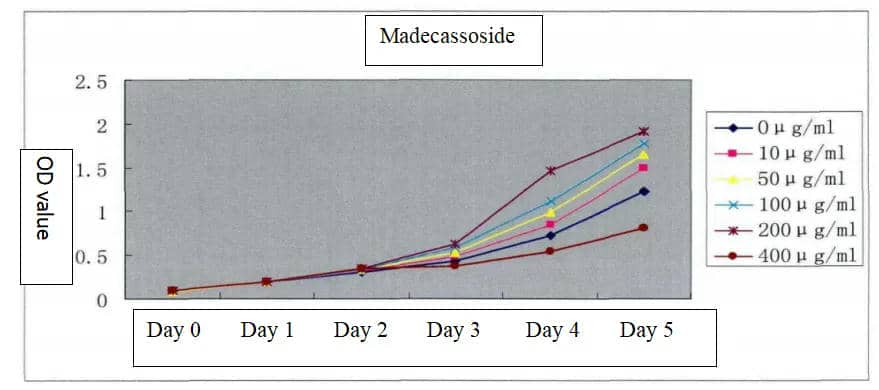
Published in vitro research on the asiaticoside + madecassoside pair shows dose-dependent proliferation of human fibroblasts — the cells that rebuild the dermal matrix — across 10–200 µg/mL, with the effect strengthening as the dose rises and weakening at 400 µg/mL. Fibroblast support matters for repair formulas because the quality of skin recovery tracks the activity of these cells.
Soothing support
Centella asiatica extract is known to downregulate pro-inflammatory mediators such as IL-1 and MMP-1 in vitro while supporting the skin's barrier function — the mechanism combination that makes it a fixture in soothing creams and products for skin prone to visible reactivity and blemishes linked to barrier dysfunction. Paired with phospholipids in emulsion systems, the saponin fraction integrates particularly well.
Antioxidant protection
The extract also inhibits free-radical activity: a comparative study of four Asian centella species (Zainol et al.) found the leaves and roots of Centella asiatica carry antioxidant activity comparable to tocopherol — a secondary but useful rationale for anti-pollution and early-anti-aging positioning.
How stable is PMRepair® Centella-WS in formula?
Plamed tested PMRepair® Centella-WS stability for 7 months. The results:
1. The aqueous solution of PMRepair® Centella-WS produces no precipitation under any test condition — good stability.
2. The 5% butylene glycol solution precipitates and is less stable at room temperature; it performs well under the other test conditions.
3. Neither the aqueous solution nor the 5% butylene glycol solution shows color change under any test condition over the long term — good stability.
Formulation takeaway: keep Centella-WS in the water phase; avoid relying on butylene glycol as the sole carrier at room temperature.
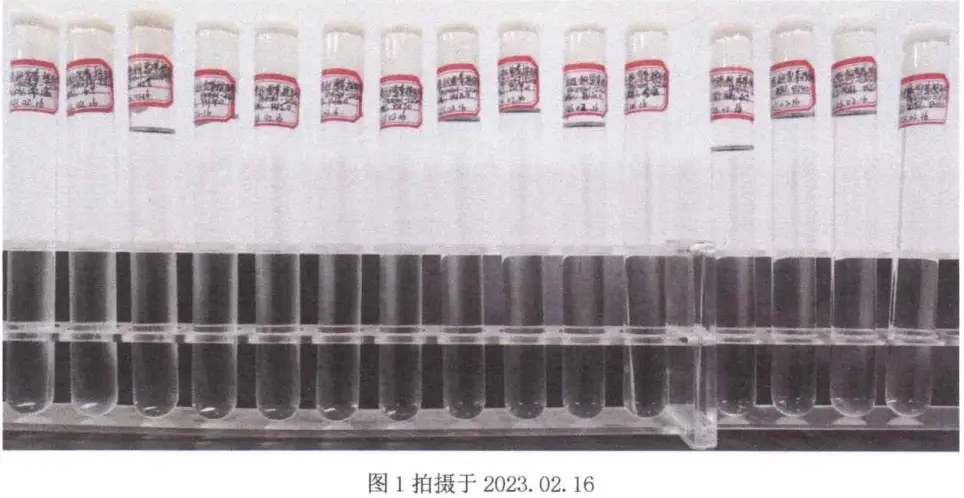
Figure caption: stability test tubes photographed at first month (2023-02-16)
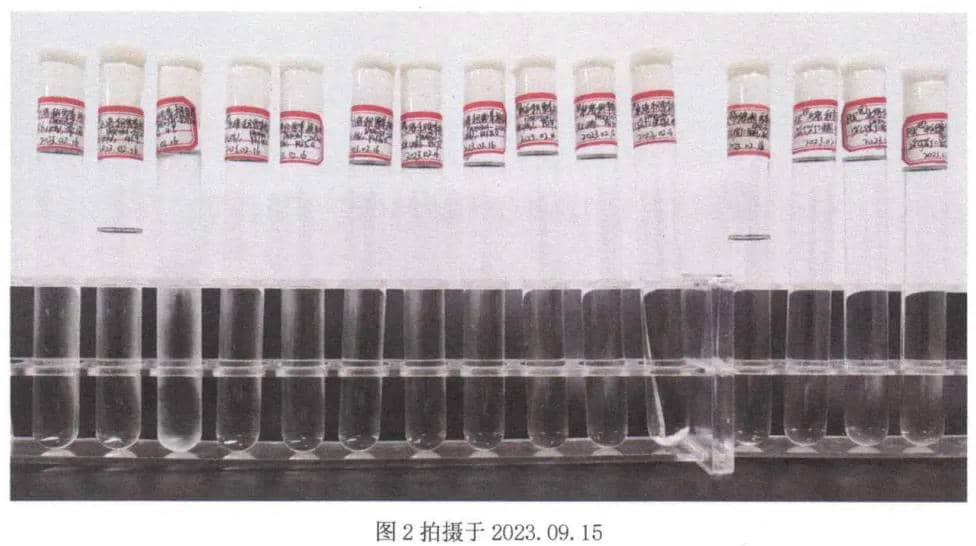
Figure caption: stability test tubes photographed at seventh month (2023-09-15); all aqueous samples remain clear.
What is the recommended dosage of PMRepair® Centella-WS?
Product type | Reference dosage |
Transparent aqueous serums / toners | 0.1%–0.5% |
Repair creams / emulsions | 0.1%–0.5% |
Soothing masks | 0.1%–0.5% |
Note: Efficacy markers responded at 0.0625% in the 3D epidermis model; 0.1%–0.5% is the formulation reference range per the official filing documents.
Is PMRepair® Centella-WS safe for cosmetics?
l Centella Asiatica Extract is listed in the IECIC (Inventory of Existing Cosmetic Ingredients in China, 2021) and was recognized by CTFA (now PCPC) as a cosmetic raw material; there are no reports indicating it is unsafe for external use.
l Third-party testing (GC-MS and LC-MS-MS per GB/T 39665-2020) found no pesticide residues above detection limits across the screened panel — including organochlorines, organophosphates and pyrethroids.
l A human patch test and toxicological safety assessment support topical use; heavy metals and microbial limits are verified per batch on the COA.
Pesticide residues (GC-MS)
Test Method: Refer to GB/T 39665-2020, analysis was performed by GC-MS.
Test Item(s) | Unit (s) | MDL | Test Result(s) |
Alachlor | mg/kg | 0.02 | ND |
Aldrin | mg/kg | 0.02 | ND |
α-BHC | mg/kg | 0.02 | ND |
β-BHC | mg/kg | 0.02 | ND |
γ-BHC | mg/kg | 0.02 | ND |
δ-BHC | mg/kg | 0.02 | ND |
Captafol | mg/kg | 0.1 | ND |
Chlordane | mg/kg | 0.1 | ND |
Chlororthalonil | mg/kg | 0.02 | ND |
Chlozolinate | mg/kg | 0.02 | ND |
o,p'-DDD | mg/kg | 0.02 | ND |
p,p'-DDD | mg/kg | 0.02 | ND |
o,p'-DDE | mg/kg | 0.02 | ND |
p,p'-DDE | mg/kg | 0.02 | ND |
o,p'-DDT | mg/kg | 0.02 | ND |
p,p'-DDT | mg/kg | 0.02 | ND |
para-Dichlorobenzene | mg/kg | 0.02 | ND |
Dicofol(kelthane) | mg/kg | 0.02 | ND |
Dieldrin | mg/kg | 0.1 | ND |
Diphenylamine | mg/kg | 0.02 | ND |
α-endosulfan | mg/kg | 0.1 | ND |
β-endosulfan | mg/kg | 0.1 | ND |
Endosulfan sulfate | mg/kg | 0.1 | ND |
Endrin | mg/kg | 0.1 | ND |
Fenarimol | mg/kg | 0.02 | ND |
Fenthion | mg/kg | 0.02 | ND |
Flusilazole | mg/kg | 0.02 | ND |
Heptachlor | mg/kg | 0.02 | ND |
Heptachloroepoxide | mg/kg | 0.02 | ND |
Hexachlorobenzene | mg/kg | 0.02 | ND |
Isodrin | mg/kg | 0.02 | ND |
Myclobutanil | mg/kg | 0.02 | ND |
Phosphamidon | mg/kg | 0.02 | ND |
Propyzamide | mg/kg | 0.02 | ND |
Vinclozoline | mg/kg | 0.02 | ND |
Pesticide residues (LC-MS-MS)
Test Method: Refer to GB/T 39665-2020, analysis was performed by LC-MS-MS.
Test Item(s) | Unit (s) | MDL | Test Result(s) |
Carbaryl | mg/kg | 0.005 | ND |
Carbendazim | mg/kg | 0.0025 | ND |
Di-allate | mg/kg | 0.025 | ND |
Dinoterb | mg/kg | 0.005 | ND |
Diuron | mg/kg | 0.025 | ND |
Epoxiconazole | mg/kg | 0.005 | ND |
Fenpropimorph | mg/kg | 0.005 | ND |
Fluazifop-p-butyl | mg/kg | 0.0005 | ND |
Flumioxazin | mg/kg | 0.05 | ND |
Ioxynil | mg/kg | 0.005 | ND |
Iprodione | mg/kg | 0.05 | ND |
Isoxaflutole | mg/kg | 0.025 | ND |
Kresoxim-methyl | mg/kg | 0.025 | ND |
Linuron | mg/kg | 0.025 | ND |
Molinate | mg/kg | 0.005 | ND |
Monocrotophos | mg/kg | 0.0025 | ND |
Propargite | mg/kg | 0.05 | ND |
Propazine | mg/kg | 0.0025 | ND |
Simazine | mg/kg | 0.005 | ND |
Tridemorph | mg/kg | 0.005 | ND |
How much does PMRepair® Centella-WS cost, and what is the MOQ?
Supply:
Item | Detail |
MOQ | 0.5 kg |
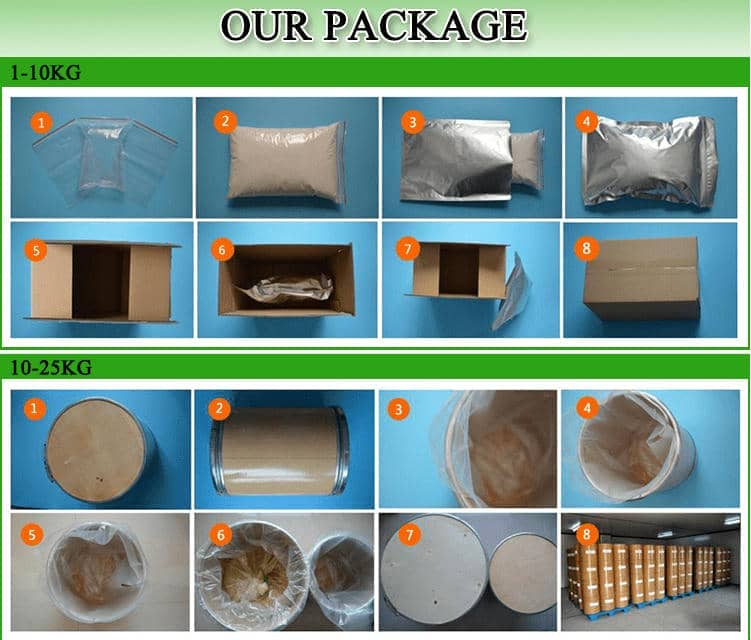
Package | Aluminum foil bag; bulk packing on request |
NMPA raw material filing code | 005262-00579-6353 |
Storage | Cool, dry place, away from direct sunlight and oxidizing agents |
Lead time | Confirm with sales |
Documents | See Available Document below (10 items verified) |
What PMRepair® Centella-WS offers
A ≥90% madecassoside + asiaticoside B water-soluble powder with an official NMPA raw material filing code (005262-00579-6353), a 7-month stability record, third-party purity and safety reports, and barrier-protein efficacy measured at 0.0625% — the document package brands need for fast formula registration and defensible repair claims.
Available Document of PMRepair® Centella-WS
Technical Data Sheet (95% Madecassoside TDS)
Certificate of Analysis (COA)
Material Safety Data Sheet (MSDS)
Product Specification (SPEC)
Manufacturing Process Flowchart
Analytical / HPLC Test Method
Solution Stability Test Reports (Up to 7 Months) & Natural Origin Index Calculation
Third-Party Safety & Purity Reports (Heavy Metals, Pesticide Residues, Microbial, 63 Hormones - Intertek/BV)
Third-Party Efficacy Reports (3D Epidermal Barrier Protein, Zebrafish Skin Barrier & Fin Regeneration, Cell Scratch Assay)
Toxicology & Safety Assessment Dossier (Human Patch Test & Safety Evaluation)
Product Brochure & Presentation Dossier
To request a quote or a sample, contact Plamed Green Science Group here.
Madecassoside supplier in China
Plamed is a madecassoside skincare supplier in China: the ≥90% dual-glycoside powder (PMRP0201) is standardized by HPLC, water-soluble with a 7-month solution-stability record, and backed by the filing code for brand-side registration. For a 70% total-triterpenes extract grade with the same plant origin, see the companion PMRepair® Centella page.
Centella asiatica extract manufacturer
As a centella asiatica extract manufacturer and wholesale supplier, Plamed controls the full chain from plant sourcing to crystallization purification in D-level clean areas. Whether you screen centella asiatica extract powder manufacturers for a transparent serum launch or need a centella asiatica extract for skin manufacturer with third-party efficacy data, request the quotation and the full dossier together.
Price and wholesale supply
Price depends on purity requirements, order volume and destination documentation. Source directly from the manufacturer: request a quotation matched to your volume — from 0.5 kg lab trials to wholesale volumes for production.
Q1: What is the raw material filing code for PMRepair® Centella-WS?
A: The official NMPA raw material filing code is 005262-00579-6353. It is registered in China's cosmetic ingredient filing system, which supports faster finished-product registration and safety assessment for brands using this centella asiatica extract.
Q2: What are the benefits of madecassoside for skin?
A: Madecassoside benefits for skin center on barrier repair: in a 3D epidermis model, PMRepair® Centella-WS at 0.0625% raised FLG +44.44%, LOR +28.21%, Claudin-1 +26.19% and living-cell layer thickness +15.17% versus the injured control. For the face, this shows up as a stronger barrier, better water retention and calmer skin.
Q3: What is the difference between madecassoside and asiaticoside?
A: They are sister saponins from the same plant. Asiaticoside converts partially to madecassoside in skin; both carry barrier-repair activity. PMRepair® Centella-WS combines both at ≥90% (madecassoside + asiaticoside B), so you get the pair rather than a single isolated molecule.
Q4: Is madecassoside good for oily skin and sensitive skin?
A: Yes to both. It is fully water-soluble and used at only 0.1%–0.5%, so it adds repair activity without heavy emollients — suitable for oily skin. For sensitive skin, the measured barrier recovery (FLG/LOR/Claudin-1) and the soothing effect of the saponin fraction address reactivity at its barrier root.
Q5: What does "centella skin barrier repair" mean in a formula?
A: It means measurable recovery of the barrier's chemistry (FLG), physical seal (LOR) and cell junctions (Claudin-1) — all three upregulated in PMRepair® Centella-WS's 3D epidermis study at 0.0625%, plus +15.17% living-cell layer thickness at the tissue level.
Q6: What is the recommended dosage of PMRepair® Centella-WS?
A: 0.1%–0.5% across serums, creams and masks per the official filing documents. The 3D model showed barrier-marker response at 0.0625%, so low-dose formulations are viable when the purity grade is ≥90%.
Q7: Is centella asiatica the same as gotu kola?
A: Yes — gotu kola is the traditional name of Centella asiatica (L.) Urban. Gotu kola extract benefits for skin come from the same triterpenoids; PMRepair® Centella-WS is the ≥90% purified saponin fraction of that same plant.
Q8: What is the MOQ, price and lead time?
A: MOQ is 0.5 kg, packed in aluminum foil bags. Price depends on volume and documentation needs — request a quotation; lead time is confirmed per order.
Q9: What documents do you provide with PMRepair® Centella-WS?
A: TDS, COA, MSDS, SPEC, Manufacturing Process Flowchart, Analytical / HPLC Test Method, 7-month solution stability reports with Natural Origin Index calculation, third-party safety & purity reports (heavy metals, pesticide residues, microbial, 63 hormones — Intertek/BV), third-party efficacy reports (3D epidermal barrier protein, zebrafish, cell scratch assay), a toxicology & safety assessment dossier (human patch test), and a product brochure.
Q10: How stable is PMRepair® Centella-WS in water-based formulas?
A: Seven-month stability testing shows the aqueous solution stays clear with no precipitation and no color change under all test conditions. Avoid butylene glycol as the sole carrier at room temperature, where slight precipitation was observed.