
Troxerutin: High-Purity Photoprotection Cosmetic Ingredient
Plamed’s Troxerutin, a Sophora-derived active for UV and blue-light protection and skin soothing.
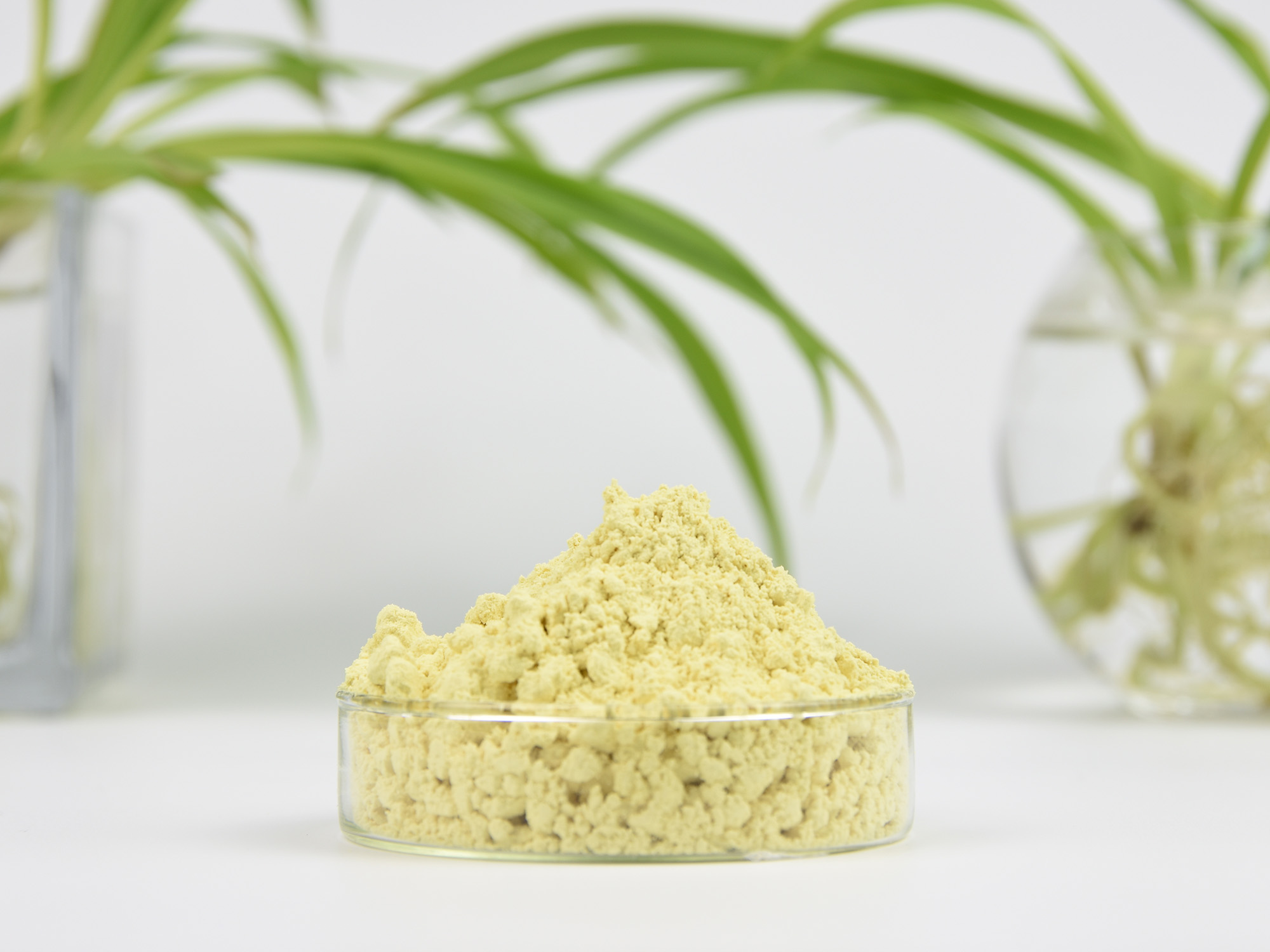
Troxerutin
Troxerutin is a photoprotective active derived from Sophora japonica buds. It helps protect the skin against oxidative damage caused by ultraviolet (UV) and blue light, and helps soothe skin redness. It is widely used in sunscreen, antioxidant, and sensitive skin care products.
Plamed Green Science Group selects high-quality Sophora japonica raw materials and uses a green manufacturing process to produce 98% high-purity troxerutin. With good water solubility and formulation compatibility, troxerutin is easier to incorporate into cosmetic formulations than rutin, providing reliable ingredient support for the development of photoprotective skincare products.
What Is Troxerutin?
Troxerutin, commonly known as Vitamin P4, is a hydroxyethyl ether derivative of rutin, mainly extracted from the dried flower bud and flower of sophora. As a rutin derivative, it inherits the biological activity of rutin and offers much better water solubility, which makes it easy to formulate in cosmetics. Troxerutin helps increase capillary resistance and reduce capillary permeability, so it supports formulas targeting visible redness. It also helps eliminate reactive oxygen free radicals produced by cells and maintain normal cell metabolism. With its absorption of ultraviolet radiation, it is widely used in sunscreen and redness-prone-skin products.
Items | Details |
Product Name | Troxerutin |
CAS Number | 7085-55-4 |
INCI Name | Troxerutin |
Molecular Formula | C33H42O19 |
Molecular Weight | 742.675 g/mol |
Molecular Structure | Hydrogenated curcumin skeleton — no conjugated double bonds |
Product ID / Specification | PMFS0201/98% |
Minimal Package / MOQ | 1 kg / 1 kg |
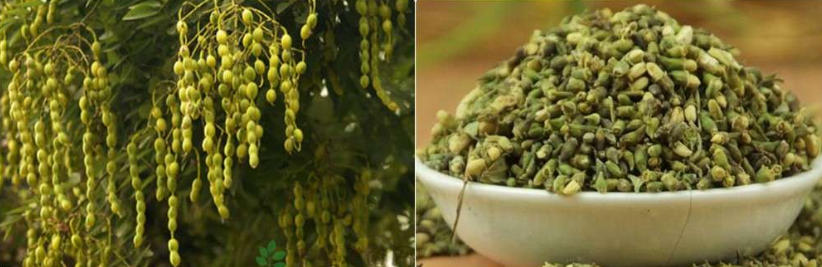
Botanical Source: Flos Sophorae
Flos sophorae (Flos Sophorae Immaturus), also known as sophora japonica, is the dried flower bud and flower of Sophora. It grows mainly in Henan, Shandong, Shanxi, Shaanxi, Anhui, Hebei, Jiangsu and Guizhou, with large-scale planting in Ningxia and Gansu in recent years. The flower bud contains a variety of active ingredients such as rutin and triterpenoid saponins, and sophora-bud extracts are widely used in medicine, health products and cosmetics.
Why Plamed Troxerutin
High-quality buds of sophora japonica as raw material;
Pollution-free, environmentally friendly preparation process;
Good water solubility for easy absorption in formulations.
Troxerutin vs Rutin
Troxerutin | Rutin | |
Source | Sophora flower bud | Sophora flower bud |
Molecular Formula | C33H42O19 | C27H30O16 |
Molecular Structure | 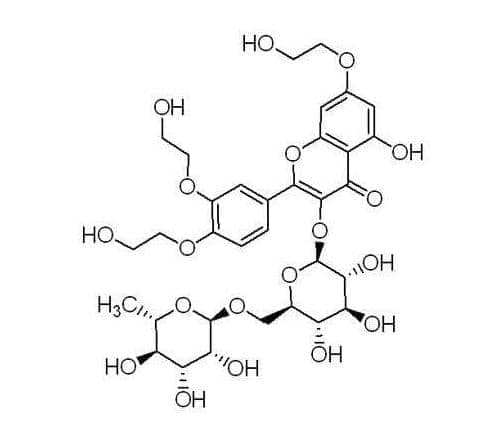 |
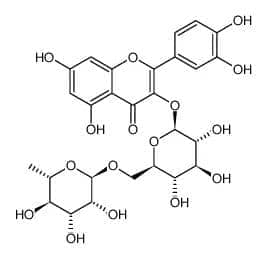 |
Solubility | Freely soluble in water; slightly soluble in anhydrous ethanol | Soluble in hot water; hardly soluble in cold water; slightly soluble in ethanol, acetone and ethyl acetate |
Function | Increases capillary resistance, reduces capillary permeability, and scavenges free radicals | Same capillary-support and free-radical-scavenging activities |
Application | Water-soluble powder for sunscreen and redness-prone-skin formulas; easy to add in cosmetics | Hot-water solubility limits cosmetic formulation |
Troxerutin contains many functional groups, so it can combine with a variety of metal ions to form complexes — one of the chemistry facts behind its formulation flexibility. For cosmetics, the practical difference is solubility: troxerutin dissolves freely in water while rutin hardly dissolves in cold water, so troxerutin is more convenient to add into water-phase skincare formulas.
Troxerutin 98% Manufacturer Specifications
The 98% troxerutin powder (PMFS0201) is released lot by lot against the specification below.
Items | Specifications |
Assay | ≥98% (UV) |
HPLC profile | Principal peak ≥80%; one additional peak ≤10%; each other peak ≤5% |
Identification | A: IR absorption; B: principal peak of the test solution matches the reference in position and size (HPLC) |
Appearance | Yellowish green powder |
Loss on drying (130℃) | ≤4.0% |
Sulphated ash | ≤0.4% |
Particle size | 98% through 80 mesh |
Solubility | Freely soluble in water; slightly soluble in anhydrous ethanol |
Ethylene oxide (GC) | ≤1 ppm |
Residual methanol | ≤3000 ppm (0.3%) |
Heavy metals | ≤10 ppm |
Arsenic | ≤1 ppm |
Mercury | ≤0.1 ppm |
Cadmium | ≤1 ppm |
Lead | ≤3 ppm |
Total plate count | ≤1000 cfu/g |
Yeast & mould | ≤100 cfu/g |
Coliforms | ≤10 cfu/g |
E. coli / Salmonella / P. aeruginosa / S. aureus | Not detected |
Three rows matter most for formulators. Assay (≥98% UV) defines the concentrated grade for low-inclusion dosing. Solubility (freely soluble in water) is the reason troxerutin replaces rutin in water-based serums, toners and gels. HPLC profile (principal peak ≥80%) confirms the consistency of the hydroxyethylated fraction lot by lot.
Troxerutin Skin Benefits: Photo-Protection, Antioxidant and Redness Care
Photo-protection support.
Troxerutin shows strong absorption of ultraviolet radiation. In studies on human keratinocyte cells, troxerutin inhibited UVB-induced apoptosis and the MAPK/AP-1 signaling pathway, and helped protect skin cells from UV-induced oxidative stress; blue-light exposure generates reactive oxygen species in mitochondria, which troxerutin helps scavenge. To a certain degree, this supports sunscreen, after-sun and blue-light-defense concepts as a supporting active rather than a stand-alone filter.
Antioxidant support.
Troxerutin helps eliminate reactive oxygen free radicals produced by cells and maintains normal cell metabolism. In in-vitro assays it shows good scavenging ability against DPPH, ABTS, superoxide and nitric oxide radicals, and helps reduce lipid peroxidation to stabilize cell bio-membrane structure. This is the core of its antioxidant and anti-pollution positioning.
Visible redness care.
Troxerutin helps increase the resistance of capillaries and reduce their permeability, supporting the normal elasticity of dilated capillaries. To a certain degree, this has the potential to support redness-prone-skin and sensitive-skin-care formulas targeting the look of visible redness.
Anti-glycation support.
High-sugar diets and excessive light exposure promote glycation, which is associated with wrinkles and fine lines. Studies indicate troxerutin's ability to inhibit early glycosylation of albumin is comparable to that of aminoguanidine, and reducing glycation helps limit AGEs accumulation. To a certain degree, this supports anti-glycation positioning in anti-aging formulas.
Troxerutin in Skincare: Uses and Dosage
Troxerutin in skincare spans sunscreen, antioxidant and redness-prone-skin products — toners, emulsions, essences, facial masks, sunscreens and cleansers. Reference dosage:
Product | Reference Dosage |
Troxerutin 98% | 0.5%–2.0% |
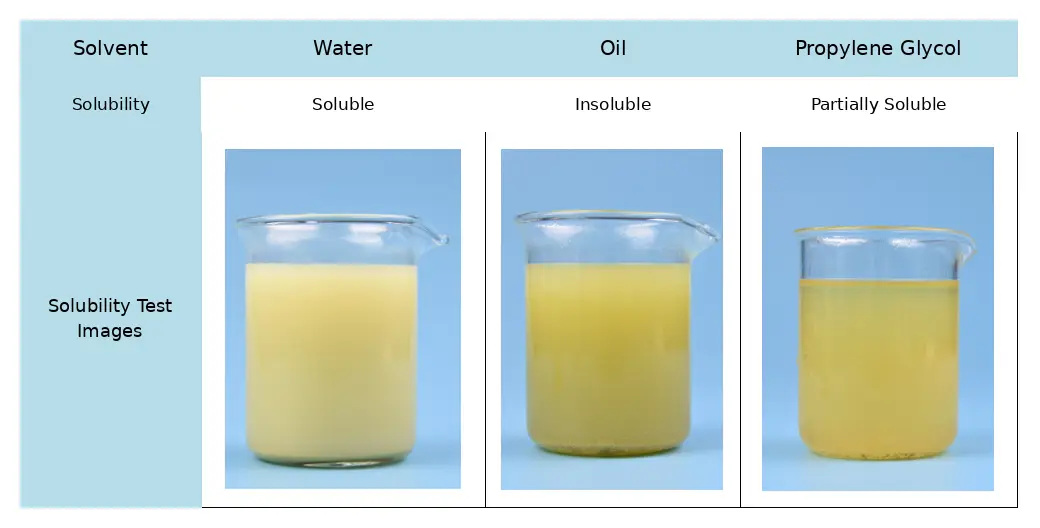
Formulation notes:
Add troxerutin into the water phase; it dissolves freely in water at 0.5 g/100 ml in the solubility test.
Pair with UV filters in sunscreen formulas or with vitamin C/vitamin E and other antioxidants for a synergistic network.
Suitable for toners, essences and gels where rutin's poor cold-water solubility limits use.
Troxerutin Safety, Packaging and Storage
Troxerutin is not classified as a hazardous substance or mixture according to Regulation (EC) No 1272/2008, with no GHS label elements or signal words required; an Ames test (Salmonella typhimurium) returned a negative result. Standard industrial hygiene practice — avoid dust formation and provide exhaust ventilation where dust is formed.
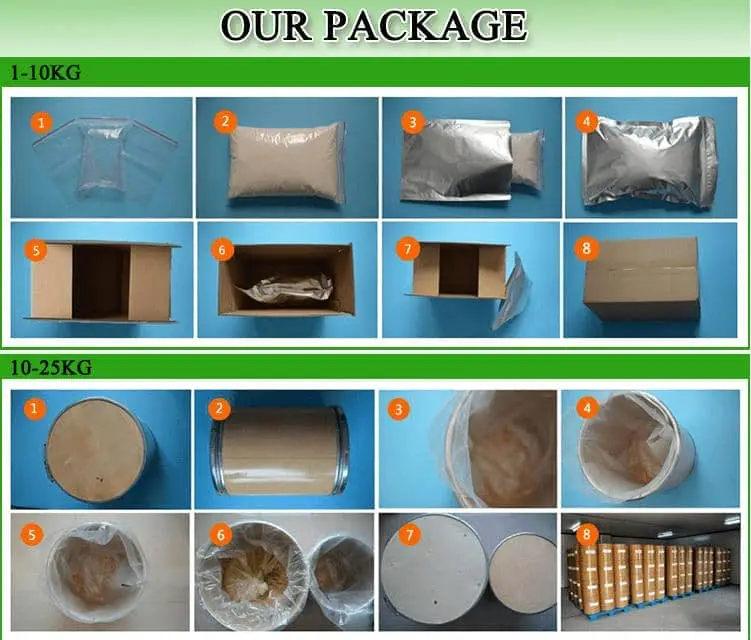
Package: Packed in 25 kg paper drums with two plastic bags inside.
Storage: Stored in a cool dry place, away from direct sunlight and oxidizing agents; the MSDS recommends 18–25 °C in a tightly closed, well-ventilated container.
Troxerutin Powder Manufacturer & Supplier
Troxerutin powder for sale: the 98% grade (PMFS0201) is produced in-house from sophora flower buds through a pollution-free process, released lot by lot with COA, and supported by third-party test reports (Bureau Veritas pesticide residue, heavy metals & microbial) and an NMPA raw material safety dossier. Plamed is one of the professional troxerutin powder manufacturers in China and serves as a trusted troxerutin supplier for brands and contract manufacturers worldwide. Wholesale troxerutin powder is available for bulk orders.
Available Document of Troxerutin
Certificate of Analysis (COA - Troxerutin 98%)
Material Safety Data Sheet (MSDS)
Product Specification Sheet (SPEC)
Manufacturing Process Flowchart
Analytical / Test Method
Animal Origin / Non-Porcine Statement
Third-Party Test Reports (Bureau Veritas Pesticide Residue, Heavy Metals & Microbial, Assay)
NMPA Raw Material Safety Dossier (Attachment 14 / Submission Code)
Product Brochure & Technical Introduction
To buy troxerutin powder, send your specification (98% grade, package preference) and annual volume, and our sales team will reply with the troxerutin prices and documents (TDS, MSDS, COA, flow chart).
Q1. What is troxerutin?
Troxerutin (CAS 7085-55-4), commonly known as Vitamin P4, is a hydroxyethyl ether derivative of rutin extracted from sophora flower buds. Plamed supplies a 98% water-soluble troxerutin powder for cosmetic use.
Q2. What does troxerutin do in skincare?
In skincare, troxerutin is used as a photo-protection and antioxidant supporting active: it absorbs ultraviolet radiation, helps eliminate reactive oxygen free radicals, supports capillary resistance and helps reduce the look of visible redness. Troxerutin skincare use keeps growing in sunscreen, after-sun and sensitive-skin products.
Q3. What is the troxerutin mechanism of action?
The troxerutin mechanism of action works on three levels: it absorbs UV radiation and scavenges UV/blue-light-induced reactive oxygen species; it increases capillary resistance and reduces capillary permeability; and in-vitro studies indicate it inhibits UVB-induced apoptosis and the MAPK/AP-1 pathway in skin cells.
Q4. Troxerutin vs rutin — what is the difference?
Both are sophora-derived actives with capillary-support and free-radical-scavenging activity. Troxerutin is freely soluble in water while rutin is hardly soluble in cold water, so troxerutin is much easier to formulate in water-phase cosmetics.
Q5. Is troxerutin water-soluble?
Yes. Troxerutin is freely soluble in water (0.5 g/100 ml in our solubility test) and slightly soluble in anhydrous ethanol; rutin, by contrast, dissolves only in hot water.
Q6. Is "troxerutina" the same as troxerutin?
Yes. "Troxerutina" is the Spanish and Italian spelling of troxerutin — the same molecule (CAS 7085-55-4), also known as Vitamin P4.
Q7. What dosage of troxerutin should I use in a formula?
The reference dosage for troxerutin 98% is 0.5%–2.0%. Add it to the water phase before emulsification; our sunscreen gel reference formula is available on request.
Q8. Is troxerutin safe for cosmetic use?
The MSDS classifies troxerutin as not hazardous according to Regulation (EC) No 1272/2008, with no GHS label elements; an Ames test returned a negative result. As with all actives, final-formula safety assessment stays with the finished-product manufacturer.
Q9. Can I buy troxerutin powder directly from the manufacturer?
Yes. Plamed is the troxerutin manufacturer (product ID PMFS0201, 98%). MOQ is 1 kg, samples are available for evaluation, and wholesale volumes ship with COA and full documentation.
Q10. How is troxerutin packaged and stored?
Troxerutin powder is packed in 25 kg paper drums with two plastic bags inside. Store in a cool dry place away from direct sunlight and oxidizing agents; the MSDS recommends 18–25 °C.