
Beta & Alpha Arbutin | Enzymatic Brightening Actives
Beta & Alpha Arbutin — Plamed's α-arbutin (CAS 84380-01-8, PMB0101) and β-arbutin (CAS 497-76-7, PMB0102), both ≥99.5% HPLC, with α-arbutin hydroquinone not detected; α dosed 0.2%–2%, β dosed 1%–3%.
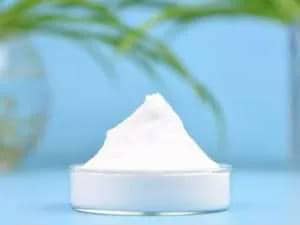
Beta & Alpha Arbutin
Alpha arbutin is a stable brightening active that reduces melanin formation by inhibiting tyrosinase activity, helping improve the look of dark spots, uneven skin tone and dullness — widely formulated in brightening and radiance skincare.
Plamed produces ≥99% high-purity alpha arbutin by enzymatic synthesis, with hydroquinone residue strictly controlled to Not Detected — combining reliable stability with product safety.
What is alpha arbutin?
Attribute | Alpha-Arbutin | Beta-Arbutin |
INCI name | ALPHA-ARBUTIN | ARBUTIN |
CAS number | 84380-01-8 | 497-76-7 |
Molecular formula / MW | C12H16O7 / 272.25 g/mol | C12H16O7 / 272.25 g/mol |
Molecular Structure |
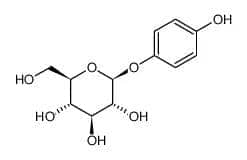 |
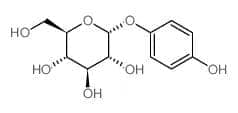 |
Product ID | PMB0101 | PMB0102 |
Specification | ≥99.5% (HPLC) | ≥99.5% (HPLC) |
Appearance | White crystalline powder | White crystalline powder |
Specific optical rotation | [α]20D +174.0° to +186.0° | −66° ± 2° |
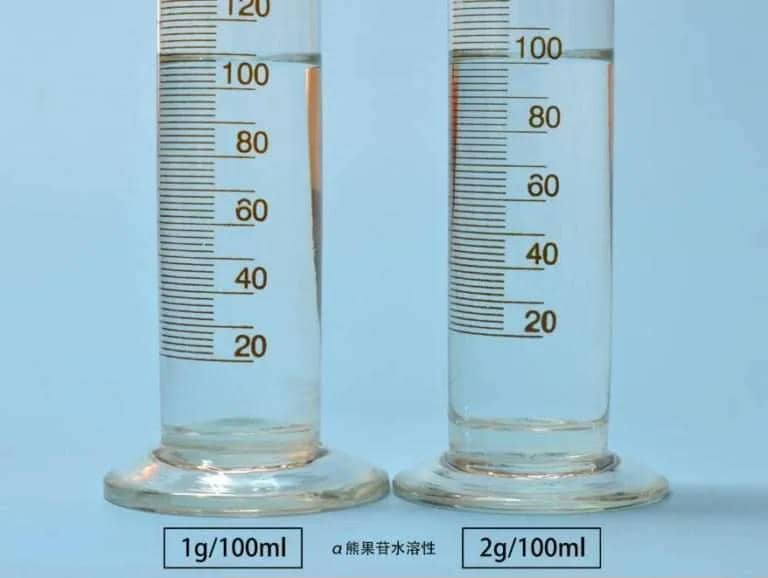
Solubility | Soluble in water; slightly soluble in ethanol | |
Hydroquinone | Not detected | ≤10 ppm |
Reference dosage | 0.2%–2% | 1%–3% |
MOQ | 1 kg | 1 kg |
Alpha and beta arbutin are the two epimers of arbutin — a hydroquinone glucoside whose glucose-hydroquinone linkage sits in one of two spatial configurations. The α-epimer is produced enzymatically and carries the α-glucosidic bond; the β-epimer is extracted from plants such as bearberry or chemically synthesized. Plamed supplies both at ≥99.5% HPLC as white crystalline powders (PMB0101 / PMB0102).
In short: Beta & Alpha Arbutin from Plamed — α-arbutin (CAS 84380-01-8, PMB0101) and β-arbutin (CAS 497-76-7, PMB0102), both ≥99.5% HPLC, α with hydroquinone Not Detected, dosed 0.2%–2% (α) and 1%–3% (β).
What it is.
Arbutin is a commercially used skin-brightening agent in cosmetics. It works by competitive inhibition of tyrosinase, the key enzyme in melanin synthesis. What differs between alpha arbutin and beta arbutin is only the spatial structure of the glycosidic linkage between glucose and hydroquinone — one stereochemical difference that drives the stability, potency and price gap between the two grades.
How it works.
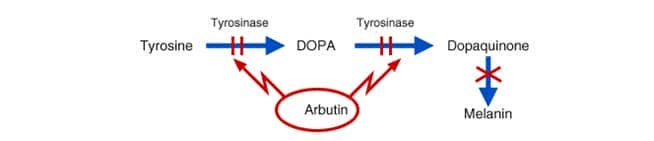
Tyrosinase catalyses the first two steps of melanin synthesis: the hydroxylation of tyrosine to DOPA, and the oxidation of DOPA to dopaquinone. Arbutin inhibits the enzyme directly, so less melanin is produced and the complexion looks more even and brighter over time.
Where it fits.
Brightening serums and essences, whitening creams and lotions, toners and masks — see the brightening solutions for the full ingredient set.
Where beta arbutin comes from:
β-arbutin — often called simply arbutin — occurs naturally in plants such as bearberry, and is supplied either by plant extraction or by chemical synthesis.
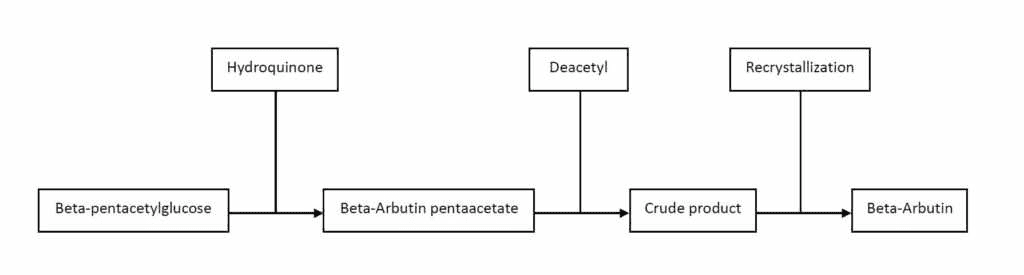
Beta-Arbutin Manufacturer Flow Chart
How alpha arbutin is made:
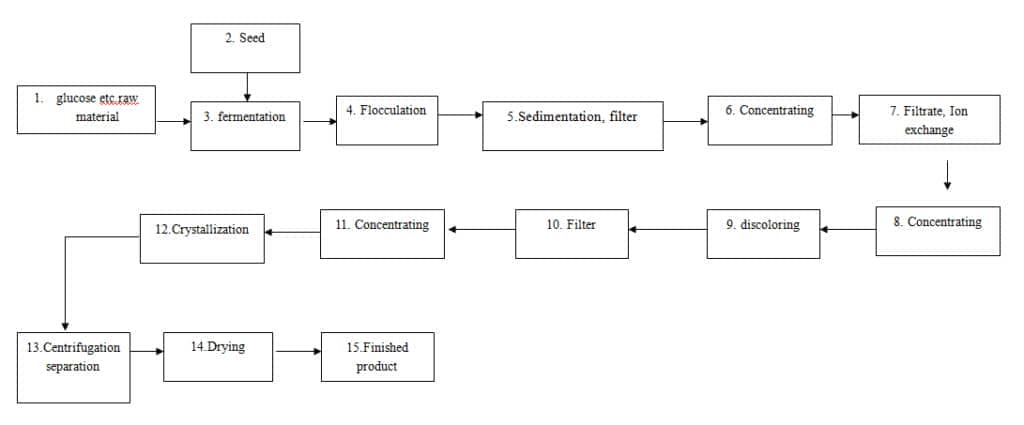
α-arbutin is enzymatically synthesized from hydroquinone and saccharides through a transglycosylation reaction. The carbohydrate-active enzymes reported for this route include α-amylase, α-glucosidase, transglucosidase, sucrose phosphorylase and dextransucrase. Plamed uses the enzymatic route for α-arbutin — see the technology page for the biotransformation platform.
Alpha-Arbutin Manufacturer Flow Chart
Plamed capacity. β-arbutin is produced by an environment-friendly process with an annual capacity of 100 MT for stable supply.
What are the alpha and beta arbutin specifications?
Alpha-Arbutin (PMB0101)
Test group | Item | Specification |
Assay | Assay | ≥99.5% (HPLC) |
Organoleptic | Appearance | White crystalline powder |
Impurity | Hydroquinone | Not detected |
Physical characteristics | Melting point | 203–206 (±1) °C |
Physical characteristics | Specific optical rotation | [α]20D +174.0° to +186.0° |
Identification | Infrared peak values | 1514 / 1229 / 1215 / 1059 / 1034 cm⁻¹ |
Solubility | Solubility | Soluble in water; slightly soluble in ethanol |
Solubility | Clarity of solution | Clear; no suspended matter |
Physical characteristics | pH (1% water solution) | 5.0–7.0 |
Physical characteristics | Loss on drying | ≤0.5% |
Physical characteristics | Residue on ignition | ≤0.5% |
Heavy metals | Heavy metals | ≤10 ppm |
Heavy metals | Lead / Arsenic / Mercury | ≤2 / ≤2 / ≤1 ppm |
Microbiological | Total plate count | ≤100 cfu/g |
Microbiological | Total yeast & mold | ≤50 cfu/g |
Microbiological | E. coli / Salmonella / Staphylococcus | Negative |
Beta-Arbutin (PMB0102)
Test group | Item | Specification |
Assay | Assay | ≥99.5% (HPLC) |
Organoleptic | Appearance | White crystalline powder |
Physical characteristics | Melting point | 199–201 (±0.5) °C |
Physical characteristics | Specific optical rotation | −66° ± 2° |
Physical characteristics | pH (1% water solution) | 5.0–7.0 |
Physical characteristics | Loss on drying | ≤0.5% |
Physical characteristics | Residue on ignition | ≤0.5% |
Heavy metals | Hydroquinone | ≤10 ppm |
Heavy metals | Heavy metals | ≤20 ppm |
Heavy metals | Arsenic | ≤2 ppm |
Microbiological | Total plate count | ≤300 cfu/g |
Microbiological | Total yeast | ≤100 cfu/g |
How to read the specification sheets:
Assay & identification (A) — Both grades are standardized to ≥99.5% by HPLC. For α-arbutin the identity fingerprint adds three checks: IR peaks at 1514 / 1229 / 1215 / 1059 / 1034 cm⁻¹, [α]20D +174.0° to +186.0°, and melting point 203–206 °C. These three together separate real α-arbutin from β-arbutin ([α]20D −66° ± 2°, MP 199–201 °C) — the cheapest counterfeit risk in this category.
Hydroquinone (B) — Hydroquinone is not permitted as a cosmetic ingredient in China or the EU; only trace residue limits apply. Plamed's α-arbutin is reported Not detected, and β-arbutin is held at ≤10 ppm.
Physical & microbial (C) — pH 5.0–7.0 (1% water solution), loss on drying ≤0.5%, and the heavy-metal / microbial limits set the QA baseline verified per batch on the COA, with third-party SGS testing on assay, specific optical rotation and hydroquinone residue.
What is the difference between alpha arbutin and beta arbutin?
Attribute | Alpha-Arbutin | Beta-Arbutin |
Production | Enzymatically synthesized (transglycosylation) | Plant-extracted or chemically synthesized |
Tyrosinase inhibition (in vitro) | Reported ~10× stronger against human melanoma tyrosinase | Weaker |
Stability | Higher (α-glucosidic bond) | Lower |
Cell-growth inhibition at 1 mmol/L | Hardly inhibited | Inhibited significantly |
Reference dosage | 0.2%–2% | 1%–3% |
Price | Higher | Lower |
The ten-fold difference comes from the bond. Published in vitro research reports that α-arbutin inhibits human melanoma tyrosinase roughly 10 times more strongly than β-arbutin, and the α-glucosidic bond in α-arbutin offers higher stability than the β form. In the same research, α-arbutin hardly inhibited cell growth at 1 mmol/L while β-arbutin inhibited it significantly at the same concentration — the evidence base behind α-arbutin's position as an effective and well-tolerated cosmetic ingredient.
Read the table this way: α-arbutin costs more per kilogram but works at 0.2%–2%; β-arbutin costs less and is dosed 1%–3%. For a spot-correcting serum, α is the standard; for a body lotion or a cost-driven mask line, β still delivers.
Advantages of arbutin over traditional brightening approaches:
Arbutin inhibits melanogenesis without causing melanocyte toxicity. The traditional depigmenting reference point is hydroquinone — a substance that is not permitted as a cosmetic ingredient in China or the EU — and arbutin delivers activity at the same tyrosinase pathway without that regulatory burden or the melanocyte toxicity associated with it.
How does alpha arbutin brighten skin?
Alpha arbutin for skin brightening works at the enzyme step. As a tyrosinase inhibitor cosmetic ingredient, it competes with the substrate at the active site of tyrosinase — the enzyme that catalyses the first two steps of melanin synthesis: the hydroxylation of tyrosine to DOPA, and the oxidation of DOPA to dopaquinone. With tyrosinase inhibited, less melanin is formed, and the skin looks more even and brighter over successive use cycles.
Because the block sits at the enzyme rather than at the melanocyte, melanin output falls without the cell itself being damaged. That is why arbutin is used in leave-on products applied every day over successive use cycles, rather than in short-course treatments.
How stable is alpha arbutin in formulas?
1. The α-glucosidic bond gives it the stability edge. In the α-epimer, the glucose-hydroquinone linkage is more resistant than the β form, which is why α-arbutin holds up better in finished formulas.
2. Keep the pH above 6.0. Arbutin breaks down readily in acidic conditions, so the pH of a cosmetic containing arbutin should be greater than 6.0.
3. Dissolve it in ~50 °C water before adding it. Arbutin is soluble in hot water, methanol or alcohol, only partially soluble in cold water, and insoluble in ether, chloroform or benzene.
4. Add an antioxidant. Antioxidants should be added to cosmetics containing arbutin.
Formulation takeaway: pre-dissolve alpha arbutin in ~50 °C water, keep the finished pH above 6.0, and pair it with an antioxidant — those three conditions are what keep the active intact to the end of shelf life.
Quality verification. Each batch is checked against the α-arbutin identity fingerprint — IR peaks at 1514 / 1229 / 1215 / 1059 / 1034 cm⁻¹ and [α]20D +174.0° to +186.0° — with assay, specific optical rotation and hydroquinone residue confirmed by third-party SGS testing.
Where is alpha arbutin used in skin care?
Alpha arbutin is one of the most widely used skin brightening ingredients across leave-on formats:
Product format | Alpha-Arbutin dosage | Beta-Arbutin dosage |
Brightening serum / essence | 0.5%–2.0% | 1.0%–3.0% |
Whitening cream / lotion | 0.2%–2.0% | 1.0%–3.0% |
Whitening toner | 0.1%–2.0% | 1.0%–3.0% |
Mask / essence pads | 0.2%–2.0% | 1.0%–3.0% |
Compounding partners:
With vitamin C derivatives — combining arbutin with a stable vitamin C derivative such as ascorbic acid 2-glucoside (AA2G) makes skin look more hydrated and transparent.
With hyaluronic acid — helps relieve the feeling of dry skin.
With glycyrrhizic acid (licorice) — helps comfort skin after sun exposure.
What reference formulas show how to use arbutin?
Formula 1 · Whitening cream
Phase | Ingredient | Content (%) |
Oil | Petrolatum (Vaseline) | 39.00 |
Oil | Stearyl Alcohol | 15.00 |
Oil | Beeswax | 15.00 |
Oil | Glyceryl Stearate (Glycerin monostearate) | 0.50 |
Oil | Polyethylene glycol monooleate | 1.00 |
Oil | Vitamin E | 1.00 |
Water | Arbutin | 1.00 |
Water | Water (distilled) | 27.00 |
Cool-down | Fragrance | 0.50 |
Total = 100.00
Formula 2 · Whitening essence
Ingredient | Content (%) |
Alpha-Arbutin(α 0.2–2 / β 1–3) | 5.00 |
Vitamin C | 3.00 |
Glycerin | 5.00 |
Ethanol | 43.80 |
ANGELICA SINENSIS ROOT EXTRACT | 10.00 |
LIGUSTICUM WALLICHII ROOT EXTRACT | 8.00 |
SCUTELLARIA BAICALENSIS ROOT EXTRACT | 10.00 |
GLYCYRRHIZA URALENSIS (LICORICE) ROOT EXTRACT | 10.00 |
Vitamin E | 5.00 |
Antioxidant | 0.10 |
Preservative | 0.10 |
Total = 100.00
Preparation method: heat the water phase (vitamin C, glycerin, ethanol, preservative) and the oil phase (vitamin E, antioxidant) separately to 50–60 °C; slowly pour the water phase into the oil phase; add the botanical extracts and arbutin; stir until uniform to obtain the essence.
Formula 3 · Whitening toner
Ingredient | Content (%) |
Alpha-Arbutin | 2.00 |
Psidium Guajava (Guava) Leaf Extract | 3.00 |
Psidium Guajava (Guava) Fruit Extract | 4.00 |
Sodium Hyaluronate | 7.00 |
Hydrolyzed Pearl | 3.00 |
Propylene Glycol | 0.50 |
Glycerin | 7.00 |
Water | Add to 100 (73.50) |
Total = 100.00
Preparation method: weigh the water-phase ingredients; heat to 75 °C with stirring at ~10 r/min and hold for 10 minutes. Add propylene glycol and glycerin, heat to 80 °C with stirring at ~20 r/min and hold for 15 minutes. Combine, mix for ~500 s, and cool to 30 °C to obtain the toner.
Is arbutin safe for cosmetics?
Alpha-arbutin and beta-arbutin are listed in the IECIC (Inventory of Existing Cosmetic Ingredients in China, 2021) and recognized by PCPC (formerly CTFA) as cosmetic raw materials.
Hydroquinone itself is not permitted as a cosmetic ingredient in China and the EU; only residue limits apply. Plamed's α-arbutin is reported hydroquinone Not detected, and β-arbutin is held at ≤10 ppm, both confirmed by third-party SGS testing.
Regulatory statements covering vegan, halal, GMO-free, BSE-free, country compliance and impurity are available with the shipment (see Available Document).
Storage:
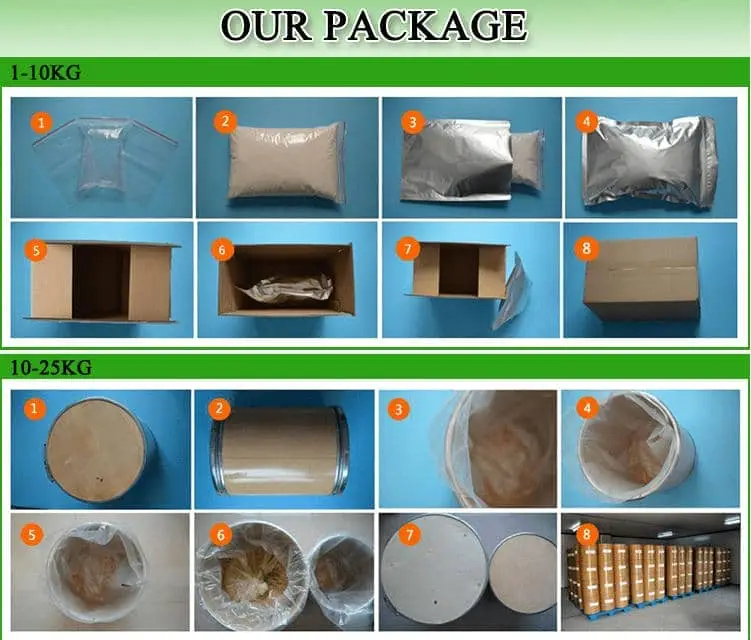
Keep arbutin tightly sealed in its container, stored in a cool, dry place away from sunlight and oxidizing agents. Packed in 25 kg paper drums with 1 kg aluminum foil bags inside.
Where can I buy alpha arbutin powder wholesale?
Supply:
Item | Alpha-Arbutin | Beta-Arbutin |
Product ID | PMB0101 | PMB0102 |
Specification | ≥99.5% (HPLC) | ≥99.5% (HPLC) |
MOQ | 1 kg | 1 kg |
Package | 1 kg aluminum foil bag; 25 kg paper drum for bulk | 1 kg aluminum foil bag; 25 kg paper drum for bulk |
Storage | Cool, dry place, sealed, away from sunlight and oxidizing agents | Same |
Annual capacity | — | 100 MT |
Documents | See Available Document (11 items verified) | Same |
What Plamed's arbutin offers
Two epimers from one supplier: α-arbutin made by enzymatic transglycosylation at ≥99.5% with hydroquinone Not detected, and β-arbutin at the same purity for cost-driven formulas — both backed by IR and specific-rotation identity testing, third-party SGS verification, and a document package from TDS to NMPA filing.
Available Document of Beta & Alpha Arbutin
Technical Data Sheet (Alpha Arbutin TDS)
Technical Data Sheet (Beta Arbutin TDS)
Certificate of Analysis (COA)
Material Safety Data Sheet (Alpha Arbutin MSDS)
Material Safety Data Sheet (Beta Arbutin MSDS)
Product Specification Sheet (SPEC)
Composition Statement / Compositional Breakdown
Manufacturing Process Flowchart
Analytical / HPLC Test Method & Infrared (IR) Spectrum
Third-Party Test Reports (SGS Assay, Specific Optical Rotation, Hydroquinone Residue)
Regulatory Statements (Vegan, Halal, GMO-Free, BSE-Free, Country Compliance, Impurity Statement)
NMPA Raw Material Safety Dossier (Attachment 14 / Submission Code)
Product Brochure & Technical Introduction
To request a quote or a sample, contact Plamed Green Science Group here.
Alpha arbutin supplier and manufacturer
Plamed is an alpha arbutin supplier and manufacturer in China: α-arbutin (PMB0101) is enzymatically synthesized at ≥99.5% HPLC with hydroquinone Not detected, identity-verified by IR and specific rotation, and shipped with the full 11-document set. Whether you are screening an alpha arbutin manufacturer for a spot-correcting serum or sourcing alpha arbutin powder for an existing line, request the quotation and the dossier together.
Wholesale alpha arbutin and arbutin powder for sale
Wholesale alpha arbutin is available from 1 kg upward, packed in aluminum foil bags inside 25 kg paper drums, with the SGS assay, specific optical rotation and hydroquinone residue reports attached per batch. Arbutin powder in the β grade is stocked for cost-driven formulas with an annual capacity of 100 MT.
Beta-arbutin for cost-driven formulas
Where the brief is volume rather than the lowest dose, β-arbutin (PMB0102) at 1%–3% is the economical counterpart to α-arbutin at 0.2%–2% — same assay, lower unit cost.
Price and wholesale supply
Price depends on grade (α or β), purity requirements, order volume and destination documentation. Source directly from the manufacturer: request a quotation matched to your volume — from 1 kg lab trials to wholesale volumes for production. For sampling and distribution terms, visit the distributor page or contact us.
Q1: What is the difference between alpha arbutin and beta arbutin?
A: They are the two epimers of arbutin, differing only in the spatial structure of the glucose-hydroquinone linkage. α-arbutin is enzymatically synthesized, inhibits tyrosinase about 10 times more strongly in vitro, is more stable and is dosed 0.2%–2%; β-arbutin is extracted or chemically synthesized, weaker, less stable and dosed 1%–3%.
Q2: What is alpha arbutin?
A: Alpha arbutin (α-arbutin, INCI: ALPHA-ARBUTIN, CAS 84380-01-8) is a hydroquinone glucoside used as a brightening active. Plamed supplies it as PMB0101 at ≥99.5% (HPLC) — a white crystalline powder soluble in water, with hydroquinone Not detected.
Q3: How does alpha arbutin brighten skin?
A: It competitively inhibits tyrosinase, the enzyme that catalyses the first two steps of melanin synthesis (tyrosine to DOPA, DOPA to dopaquinone). Less tyrosinase activity means less melanin formed, so skin looks more even and brighter with continued use.
Q4: How stable is alpha arbutin in formulas?
A: It is more stable than β-arbutin thanks to the α-glucosidic bond, but it needs three conditions: keep the pH above 6.0, dissolve it in ~50 °C water before adding, and include an antioxidant in the formula.
Q5: What is the recommended dosage of alpha arbutin?
A: 0.2%–2% for α-arbutin. The β grade is dosed 1%–3%. Typical use is 0.5%–2% in serums and essences, 0.2%–2% in creams and 0.1%–2% in toners.
Q6: Is arbutin safe, and is hydroquinone residue controlled?
A: Both grades are listed in IECIC 2021 and recognized by PCPC. Hydroquinone itself is not permitted as a cosmetic ingredient, so residue control is the key check: Plamed's α-arbutin is reported Not detected and β-arbutin is held at ≤10 ppm, both verified by third-party SGS testing.
Q7: What is the MOQ, package and lead time?
A: MOQ is 1 kg, packed in 1 kg aluminum foil bags inside 25 kg paper drums. Lead time and price are confirmed per order — request a quotation.
Q8: What documents do you provide with arbutin?
A: Eleven verified documents: TDS, COA, MSDS, SPEC, Composition Statement, Manufacturing Process Flowchart, HPLC test method & IR spectrum, third-party SGS test reports (assay, specific optical rotation, hydroquinone residue), regulatory statements (vegan, halal, GMO-free, BSE-free, country compliance, impurity), the NMPA Raw Material Safety Dossier, and the product brochure.
Q9: Where can I buy alpha arbutin powder wholesale?
A: Directly from Plamed — an alpha arbutin supplier and manufacturer in China — from 1 kg upward with TDS/COA/MSDS and per-batch SGS reports. Request a quotation for wholesale volumes.
Q10: Can alpha arbutin be combined with vitamin C derivatives?
A: Yes. Combining arbutin with a stable vitamin C derivative such as ascorbic acid 2-glucoside makes skin look more hydrated and transparent; hyaluronic acid helps relieve dryness, and glycyrrhizic acid helps comfort skin after sun exposure.