
Ascorbic Acid 2-Glucoside | Stable Vitamin C Derivative for Brightening
Ascorbic Acid 2-Glucoside (INCI: Ascorbyl Glucoside, CAS 129499-78-1) — Plamed's ≥98% high-purity ascorbyl glucoside powder, water-soluble and released gradually in skin, dosed up to 2.0% (PMB1901).
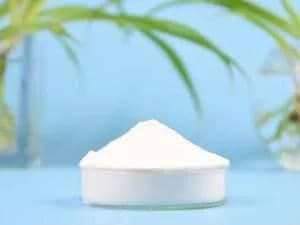
Ascorbic Acid 2-Glucoside
Ascorbic Acid 2-Glucoside — best known as ascorbyl glucoside (AA2G) — is a stable vitamin C derivative. Once inside the skin it releases vitamin C gradually, helping improve the look of uneven skin tone, fade the appearance of dark spots and provide antioxidant protection, which is why it is widely formulated in brightening and anti-aging skincare.
Plamed supplies 98% high-purity ascorbyl glucoside powder with excellent stability, water solubility and formulation compatibility — a dependable vitamin C derivative for brightening serums, lotions and creams.
What is Ascorbic Acid 2-Glucoside?
Attribute | Value |
INCI name | Ascorbyl Glucoside |
CAS number | 129499-78-1 |
Molecular formula / MW | C12H18O11 / 338.26 g/mol |
Product ID | PMB1901 |
Specification | ≥98% |
Appearance | White crystalline powder |
Solubility | Water-soluble; clear, colorless solution |
Reference dosage | ≤2.0% |
MOQ | 1 kg |
Ascorbic Acid 2-Glucoside is a glycosylated vitamin C derivative: a glucose unit caps the oxidation-sensitive 2-position of L-ascorbic acid. It is produced by biological transformation using glycosyl transferase, and skin enzymes hydrolyze it back to vitamin C plus glucose after application — the reason it keeps vitamin C's activity while surviving water, light and heat far better than the parent molecule.
In short: Ascorbic Acid 2-Glucoside (INCI: Ascorbyl Glucoside, CAS 129499-78-1, PMB1901) is Plamed's ≥98% stable vitamin C derivative powder — water-soluble, released gradually in skin, dosed up to 2.0% in brightening and anti-aging formulas.
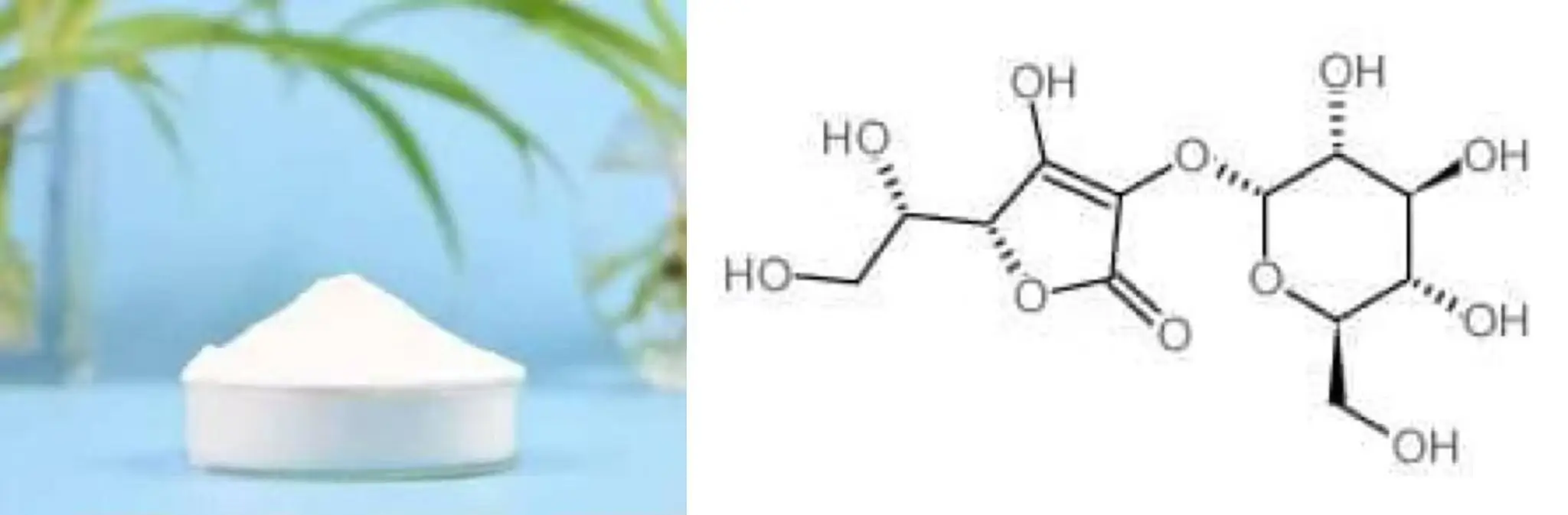
What it is.
Pure vitamin C (L-ascorbic acid, C6H8O6) oxidizes fast in water; ascorbyl glucoside (C12H18O11, 338.26 g/mol) protects the fragile site with a 2-O-glycosidic bond instead. Among vitamin C derivatives used in cosmetics, it is one of the most stable grades — and one of the most widely formulated brightening ingredients worldwide.
How it works.
After penetrating skin cells, α-glucosidase hydrolyzes the bond and releases vitamin C continuously. The released vitamin C inhibits tyrosinase to slow new melanin formation, helps reduce the melanin already formed, and supports collagen synthesis — brightening and early anti-aging activity from one molecule, delivered gradually.
Where it fits in skin care.
Ascorbyl glucoside in skin care means brightening serums and essences, tone-correcting lotions, whitening creams and masks — anywhere formulators need stable vitamin C derivative activity in a water-based formula, at doses from 0.2% to 2.0%.
How does ascorbyl glucoside compare with pure vitamin C?
Attribute | Ascorbyl Glucoside (AA2G) | Vitamin C (L-ascorbic acid) |
Molecular formula | C12H18O11 | C6H8O6 |
Molecular Structure | 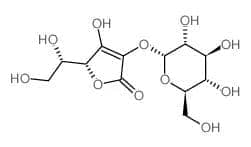 | 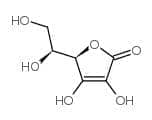 |
Molecular weight | 338.26 g/mol | 176.12 g/mol |
Sensitive site | 2-position capped by glucose (2-O-glycosidic bond) | Free enediol on the C=C bond, easily oxidized |
Stability in aqueous solution | Stable; solution stays clear and colorless | Decomposes readily in water |
Light / heat resistance | Good; difficult to decompose under long-term heating | Poor; decomposes on light exposure |
Vitamin C release | Gradually, by skin α-glucosidase hydrolysis | Direct (no release step needed) |
Typical positioning | Brightening serums, lotions, creams with real shelf life | Short-shelf or anhydrous formulas only |
How to read this table
The trade-off is stability versus immediacy. Vitamin C acts the moment it touches skin but dies in the bottle; ascorbyl glucoside waits in the formula, survives water/light/heat, and converts to vitamin C inside skin. For most commercial brightening products, the stable derivative is the formulator's default — which is why it has replaced raw vitamin C as the whitening raw material in many high-end formulas.
What is in the ascorbyl glucoside specification sheet?
Test group | Item | Specification |
Assay | Assay | ≥98% |
Organoleptic | Appearance | White crystalline powder |
Impurities | Free glucose | ≤0.1% |
Impurities | Free ascorbic acid | ≤0.1% |
Physical characteristics | Loss on drying | ≤1% |
Physical characteristics | Ignition residue | ≤0.5% |
Physical characteristics | Melting point | 158–163 °C |
Physical characteristics | Specific optical rotation [α]D20 | +186° to +188° |
Physical characteristics | Clarity of water solution | Transparent, colorless, no suspended matter |
Heavy metals | Heavy metals (as Pb) | ≤20 ppm |
Heavy metals | Arsenic | ≤2 ppm |
How to read the specification sheet:
· Assay & impurities (A) — "≥98%" is the headline number, but the two ≤0.1% impurity rows are what protect the formula: free ascorbic acid is the fraction that would oxidize and yellow the product, free glucose is the residue of the enzymatic route. Both are held near zero.
· Physical characteristics (B) — Melting point 158–163 °C and [α]D20 +186° to +188° are identity fingerprints; clarity of water solution is the practical solubility check for ascorbyl glucoside solution work — it should dissolve to a transparent, colorless liquid with no suspended matter.
· Heavy metals (C) — ≤20 ppm heavy metals and ≤2 ppm arsenic are the QA baseline; the COA per batch verifies them.
Regulatory snapshot
Ascorbyl Glucoside is listed in the IECIC (Inventory of Existing Cosmetic Ingredients in China, 2021) and recognized by PCPC (formerly CTFA) as a cosmetic raw material; it is also an approved whitening active in Japan's quasi-drug system.
How stable is ascorbyl glucoside in formula?
1. The 2-O-glycosidic bond blocks the oxidation-sensitive site. Ascorbyl glucoside is not a free-reducing vitamin C molecule, so it resists oxidation and stays especially stable in aqueous solution — the failure mode that ends most vitamin C products' shelf life.
2. Good light and heat resistance. It is difficult to decompose under long-term high-temperature heating, so the powder tolerates normal bulk handling and transport without the protective packaging pure vitamin C requires.
3. Continuous release inside skin. After entering skin cells, α-glucosidase hydrolyzes ascorbyl glucoside into vitamin C and glucose, supplying vitamin C to the skin continuously instead of in one burst.
Formulation takeaway: ascorbyl glucoside lets you build a water-based brightening formula with real shelf life — add it below 40 °C, keep the working pH between 4 and 9, and the vitamin C release happens in skin, not in the bottle.
What are the ascorbyl glucoside benefits for skin?
Ascorbyl glucoside benefits for skin come from one reaction: skin enzymes release vitamin C from the stable glucoside gradually, so the skin gets vitamin C's brightening, antioxidant and collagen-support activity — without the instability of the raw molecule.
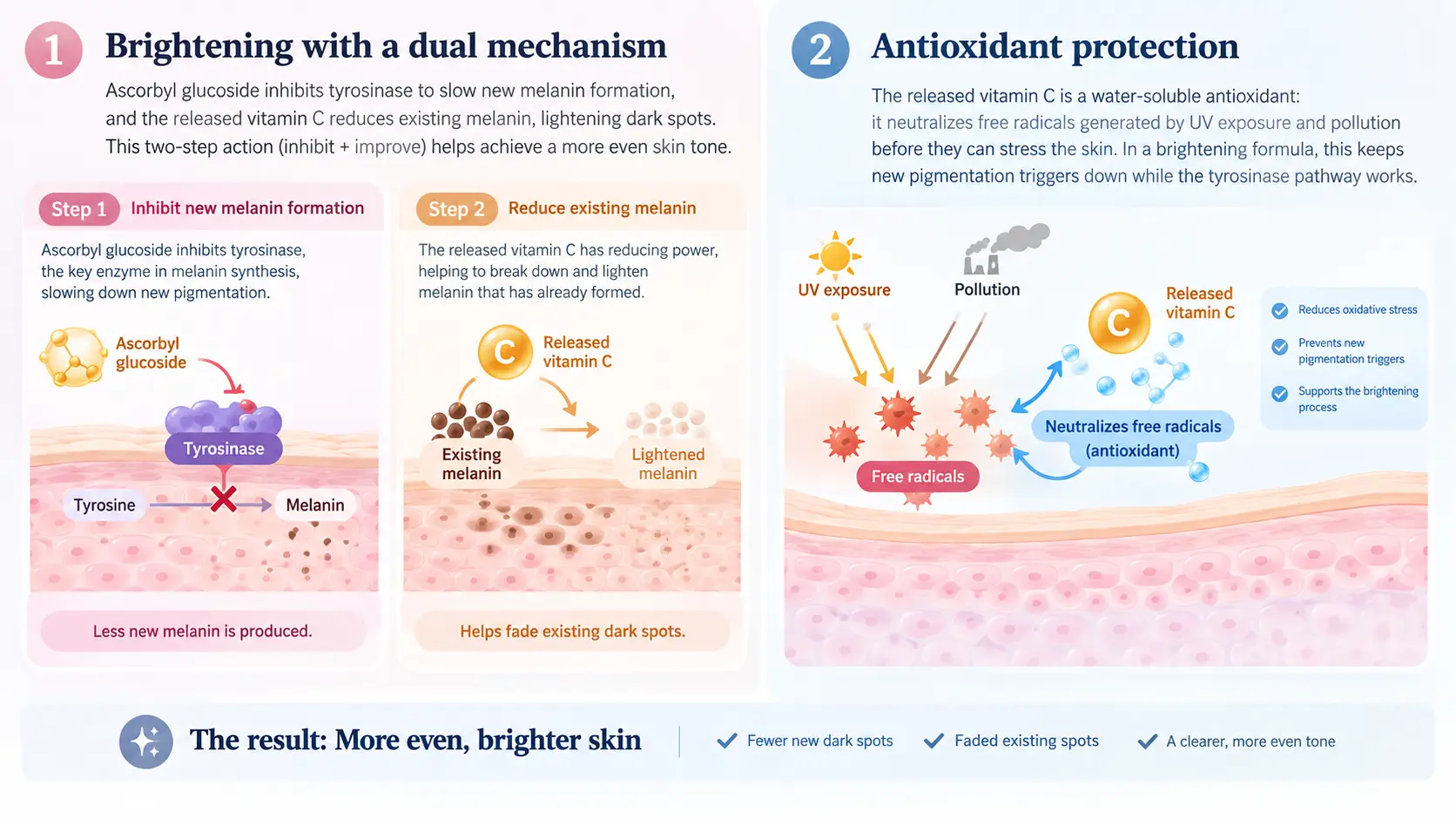
Brightening with a dual mechanism
As a tyrosinase inhibitor cosmetic ingredient, ascorbyl glucoside slows new melanin formation at the enzyme step. Then, using the reducing power of the released vitamin C, it helps reduce the melanin that has already formed — lightening the look of existing dark spots rather than only preventing new ones. This two-step action (inhibit + improve) is why formulators reach for it when a product promises visibly more even tone.
Antioxidant protection
The released vitamin C is a water-soluble antioxidant: it neutralizes free radicals generated by UV exposure and pollution before they can stress the skin. In a brightening formula this is the supporting layer that keeps new pigmentation triggers down while the tyrosinase pathway works.
Collagen & anti-aging support
Vitamin C released continuously in skin supports collagen synthesis, helping skin look plumper and reducing the appearance of fine lines and rough, dry texture. Combined with its antioxidant activity, this gives ascorbyl glucoside skincare products a legitimate anti-aging claim alongside brightening — one ingredient covering the two demands of the "brightening + early anti-aging" positioning.
Gentle enough for sensitive skin
Ascorbyl glucoside for sensitive skin works because of the release curve: instead of delivering a full dose of acidic vitamin C at once, the glucoside releases it gradually through enzymatic hydrolysis, and it is water-soluble with a near-neutral formulation profile. Used at 0.2%–2.0% in a pH-balanced base, it is a standard choice for brightening lines aimed at skin that pure vitamin C stings.
Where is ascorbyl glucoside used in skin care?
Ascorbyl glucoside skin care applications span every water-based format — it is one of the most widely formulated skin brightening ingredients for serums, emulsions, masks and whitening creams:
Product format | Positioning | Reference dosage |
Brightening serum / essence | Tone correction, dark-spot appearance, glow | 0.5%–2.0% |
Lotion / emulsion | Daily even-tone maintenance | 0.5%–1.0% |
Whitening cream | Spot-focused brightening, night repair | 1.0%–2.0% |
Mask | Brightening booster / wash-off treatment | 0.5%–2.0% |
Sun-care line | Antioxidant support alongside UV filters | 0.2%–0.5% |
Formulation notes:
1. Add below 40 °C. If the formula requires heating, cool to below 40 °C before adding the ascorbyl glucoside solution or powder.
2. Mind the pH window. Avoid prolonged exposure to strong acid (pH 2–4) or strong alkali (pH 9–12); keep the working pH between 4 and 9.
3. Pairs well with water-phase systems. Ascorbyl glucoside is freely water-soluble and compatible with natural polymers and salt-tolerant compounds — it drops into transparent gels and serums without solubilizers.
4. Stage it in the cool-down phase. In emulsions, add it after emulsification with the heat-sensitive actives, not into the 80 °C oil phase.
What reference formulas show how to use ascorbyl glucoside?
Formula 1 · Antioxidant moisturizing lotion
Phase | Ingredient | Content (%) |
A | Ascorbic Acid 2-Glucoside | 0.50 |
A | Glycerin | 8.00 |
A | Butylene Glycol | 4.00 |
A | Hyaluronic Acid | 1.00 |
A | Hydroxyethyl Cellulose | 2.00 |
A | Glycine | 0.10 |
A | Grape Seed Extract | 1.00 |
A | Aloe Extract | 3.00 |
A | Angelica Root Extract | 0.30 |
A | Magnolia Liliflora Bud Extract | 0.01 |
B | Vitamin E | 0.50 |
B | Lanolin | 0.03 |
B | Lavender Essential Oil | 0.01 |
B | Denatured Alcohol | 3.00 |
C | Triethanolamine | 0.50 |
C | Potassium Sorbate | 0.50 |
C | Sodium Octyl Amphoteryl Acetate | 0.05 |
— | Water | Add to 100 (45.50) |
Formula 2 · Whitening cream
Phase | Ingredient | Content (%) |
A (water) | Ascorbic Acid 2-Glucoside | 1.50 |
A (water) | Kojic Acid | 1.00 |
A (water) | 1,3-Butanediol | 6.00 |
A (water) | Glycerin | 5.00 |
A (water) | Hyaluronic Acid | 0.20 |
A (water) | EDTA-2Na | 0.10 |
A (water) | Acrylic Polymer | 1.00 |
A (water) | Angelica Extract | 1.00 |
A (water) | Green Tea Extract | 1.00 |
A (water) | Aconitum Coreanum Extract | 1.00 |
B (oil) | Glycerin Monostearate | 4.00 |
B (oil) | Octadecanol | 4.50 |
B (oil) | Dimethicone | 3.00 |
B (oil) | Squalane | 4.00 |
B (oil) | Ceramide | 0.50 |
B (oil) | Shea Butter | 1.00 |
B (oil) | Jojoba Oil | 3.00 |
B (oil) | Plant Essential Oil | 2.00 |
B (oil) | Polyether Emulsifier | 1.00 |
C (cool-down) | Preservative / pH modifier / Fragrance | q.s. |
— | Water | Add to 100 (≈58) |
Preparation method: heat phases A and B separately to 80 °C until uniform; add B to A and emulsify for 10 minutes; stir and cool to 50 °C; below 40 °C add ascorbic acid 2-glucoside, kojic acid and phase C; cool to 36–38 °C and discharge.
Formula 3 · Sunscreen spray
Ingredient | Content (%) |
Ascorbic Acid 2-Glucoside | 0.20 |
Octocrylene | 3.50 |
Homosalate | 9.50 |
Ethylhexyl Salicylate | 4.00 |
Benzophenone-3 | 9.10 |
Ethylhexyl Methoxycinnamate | 6.20 |
Polysilicone-15 | 7.50 |
Octylacrylamide Copolymer | 3.00 |
Vitamin E | 0.40 |
Dehydrated Alcohol | 56.60 |
What is the recommended dosage of ascorbyl glucoside?
Product type | Reference dosage |
Brightening serum / essence | 0.5%–2.0% |
Whitening cream | 1.0%–2.0% |
Lotion / emulsion | 0.5%–1.0% |
Sun-care / mist formats | 0.2%–0.5% |
Upper limit: 2.0% for the 98% grade (PMB1901) across toner, lotion, essence, mask and cream formats. The reference formulas above use 0.2% (spray), 0.5% (lotion) and 1.5% (whitening cream) — all inside the window.
Where can you buy high quality ascorbyl glucoside powder?
Supply:
Item | Detail |
Product ID | PMB1901 |
Specification | ≥98% (white crystalline powder) |
MOQ | 1 kg |
Storage | Cool, dry place, away from direct sunlight |
Lead time | Confirm with sales |
Documents | See Available Document below (7 items verified) |
What Plamed's ascorbic acid 2-glucoside offers
A ≥98% white crystalline powder produced by biological transformation (glycosyl transferase route), with free ascorbic acid and free glucose both held ≤0.1%, water-soluble to a clear colorless solution, and a complete document package from TDS to NMPA raw material filing — the supply basis brands need to launch a defensible brightening formula.
Available Document of Ascorbic Acid 2-Glucoside
Certificate of Analysis (COA)
Material Safety Data Sheet (MSDS)
Manufacturing Process Flowchart
Natural Origin Index Statement (ISO 16128)
NMPA Raw Material Safety Dossier (Attachment 14 / Submission Code)
Product Introduction & Technical Brochure
To request a quote or a sample, contact Plamed Green Science Group here.
Ascorbyl glucoside supplier & manufacturer
Plamed is an ascorbyl glucoside supplier and manufacturer controlling the full chain from glycosyl-transferase biological transformation to crystallization purification. Whether you screen suppliers for a high quality ascorbyl glucoside powder manufacturer for a brightening launch or need a stable vitamin C grade with a complete regulatory dossier, request the quotation and the document set together — see our technology page for the biotransformation platform behind it.
Stable vitamin C derivatives for brightening formulas
Ascorbyl glucoside anchors Plamed's stabilized vitamin C derivatives wholesale line. For a derivative with a different release profile, see 3-O-Ethyl Ascorbic Acid for a non-vitamin-C brightening partner, Alpha Arbutin 99% pairs well in the water phase. All are listed under our brightening solutions.
Price and wholesale supply
Price depends on purity requirements, order volume and destination documentation. Source directly from the manufacturer: request a quotation matched to your volume — from 1 kg lab trials to wholesale volumes for production. For sampling and distribution terms, visit the distributor page or contact us.
Q1: What is ascorbic acid 2-glucoside (ascorbyl glucoside)?
A: Ascorbic acid 2-glucoside — INCI name Ascorbyl Glucoside, commonly abbreviated AA2G — is a stable vitamin C derivative in which glucose caps the oxidation-sensitive 2-position of vitamin C (CAS 129499-78-1). Plamed supplies it as a ≥98% white crystalline powder (PMB1901) that releases vitamin C gradually in skin.
Q2: What are the ascorbyl glucoside benefits for skin?
A: Ascorbyl glucoside benefits for skin include slowing new melanin formation by inhibiting tyrosinase, helping reduce the look of dark spots that have already formed, antioxidant protection against free radicals, and collagen synthesis support for firmer-looking skin.
Q3: How does ascorbyl glucoside compare with pure vitamin C?
A: Pure vitamin C (L-ascorbic acid, C6H8O6) oxidizes quickly in water, while ascorbyl glucoside (C12H18O11) keeps the sensitive 2-position capped by glucose and stays stable in aqueous, light and heat conditions. Skin α-glucosidase then releases the vitamin C gradually after application.
Q4: Is ascorbyl glucoside suitable for sensitive skin?
A: Yes. It releases vitamin C gradually instead of delivering a full acidic dose at once, and it is water-soluble at a near-neutral formulation profile, dosed 0.2%–2.0%. Keep the formula pH between 4 and 9 for the most comfortable base.
Q5: How does ascorbyl glucoside brighten skin?
A: Through two steps: it inhibits tyrosinase activity to slow new melanin formation, and the released vitamin C helps reduce the melanin already formed — improving the look of existing dark spots as well as preventing new ones.
Q6: How stable is ascorbyl glucoside solution in water?
A: Very stable. The specification requires the water solution to be transparent, colorless and free of suspended matter, and the 2-O-glycosidic bond protects the molecule from the oxidation that disables pure vitamin C in water. It also resists light and long-term heating.
Q7: What is the recommended dosage of ascorbyl glucoside?
A: Up to 2.0% for the 98% grade. Reference formulas use 0.2% in sun-care mists, 0.5% in lotions and 1.5% in whitening cream — all inside the recommended window.
Q8: What is the MOQ, package and lead time?
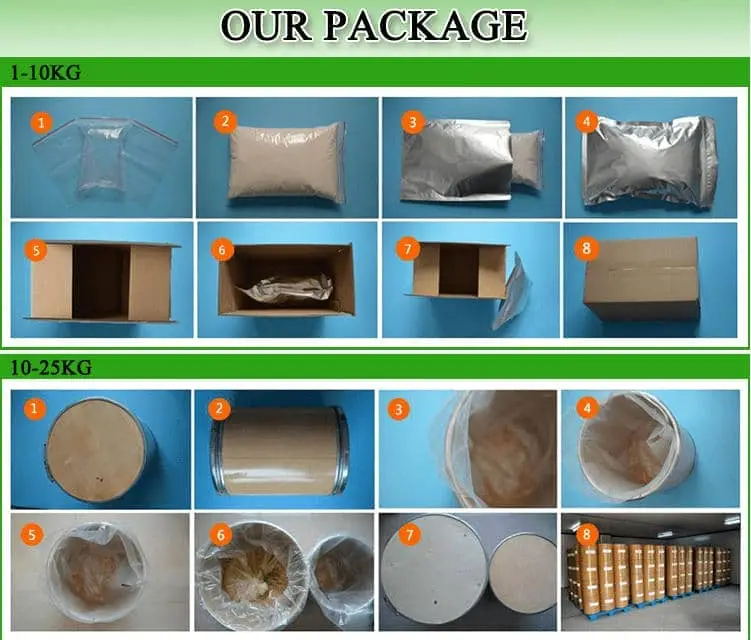
A: MOQ is 1 kg, packed for lab trials through bulk production. Price depends on volume and documentation needs — request a quotation; lead time is confirmed per order.
Q9: What documents does Plamed provide with ascorbyl glucoside?
A: Seven verified documents: TDS, COA, MSDS, Manufacturing Process Flowchart, Natural Origin Index Statement (ISO 16128), NMPA Raw Material Safety Dossier (Attachment 14 / Submission Code), and the Product Introduction & Technical Brochure.
Q10: Ascorbyl glucoside or ethyl ascorbic acid — which should I choose?
A: Both are stable vitamin C derivatives, but they are not interchangeable: ascorbyl glucoside releases vitamin C through enzymatic hydrolysis and has decades of use in commercial brightening products, while 3-O-ethyl ascorbic acid has its own stability and pH profile — see the 3-O-Ethyl Ascorbic Acid page, or combine with Alpha Arbutin for a multi-pathway brightening system.