
Ectoin | Environmental-Stress Protection & Barrier Active
Ectoin (INCI: ECTOIN, CAS 96702-03-3) — the extremolyte that shields skin cells from environmental stress — supplied by Plamed as high quality ectoin powder of ≥98.0% purity (PMS1201), water-soluble and easy to formulate.
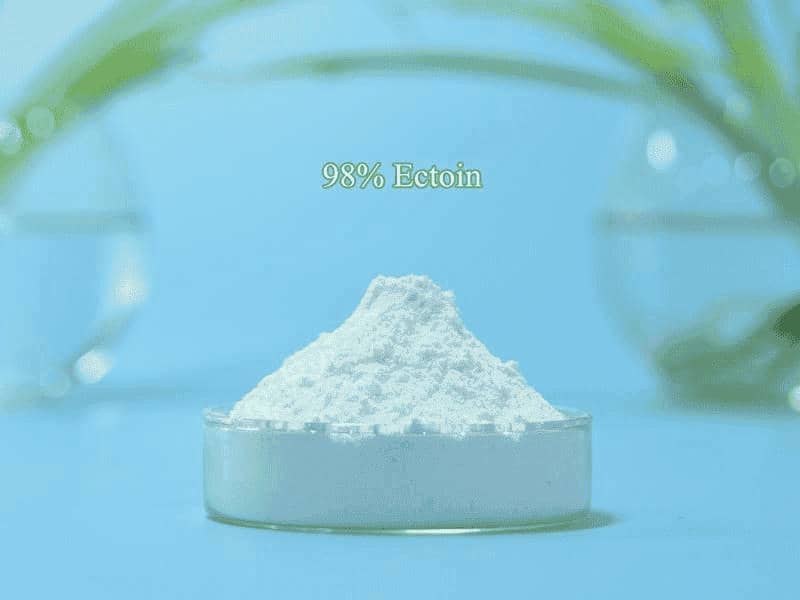
Ectoin
Ectoin is an environmental-protection active that helps skin tolerate environmental stress, keeps the barrier stable and relieves dryness, sensitivity and discomfort.
Plamed supplies high-purity ectoin with consistent quality and good formulation compatibility — a reliable support for developing repair and environmental-protection skincare products.
At a glance
Attribute | Value |
INCI name | ECTOIN |
CAS number | 96702-03-3 |
Molecular formula / weight | C₆H₁₀N₂O₂ / 142.2 g/mol |
Product ID | PMS1201 |
Specification | ≥98% (white powder) |
Solubility | Water-soluble, easy to add in cosmetics |
Reference dosage | 0.3%–2.0% |
Minimal package / MOQ | 1 kg / 1 kg |
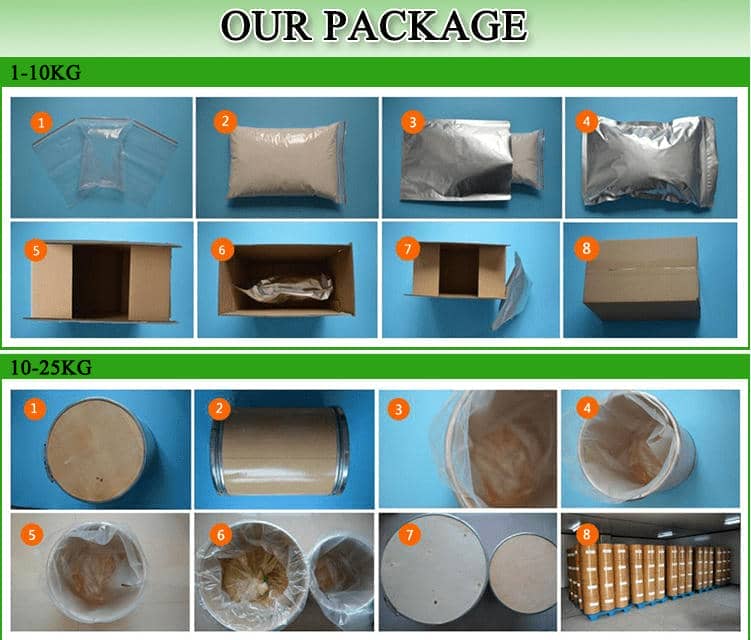
Package | 25 kg fiber drum with double PE liner |
Ectoin (INCI: ECTOIN, CAS 96702-03-3) — also spelled ectoine — is a cyclic amino acid derivative and a classic extremolyte: a protective molecule that microorganisms produce to survive heat, drought, salinity and UV. In cosmetics it works as a water-soluble protective and moisturizing active, dosed at 0.3%–2.0% in skin care.
In short: Ectoin is a microbial-derived extremolyte (INCI: ECTOIN, CAS 96702-03-3) — Plamed's ≥98% powder (PMS1201) protects skin cells from environmental stress, locks water via its dense hydration shell and soothes stressed skin, dosed 0.3%–2.0%.
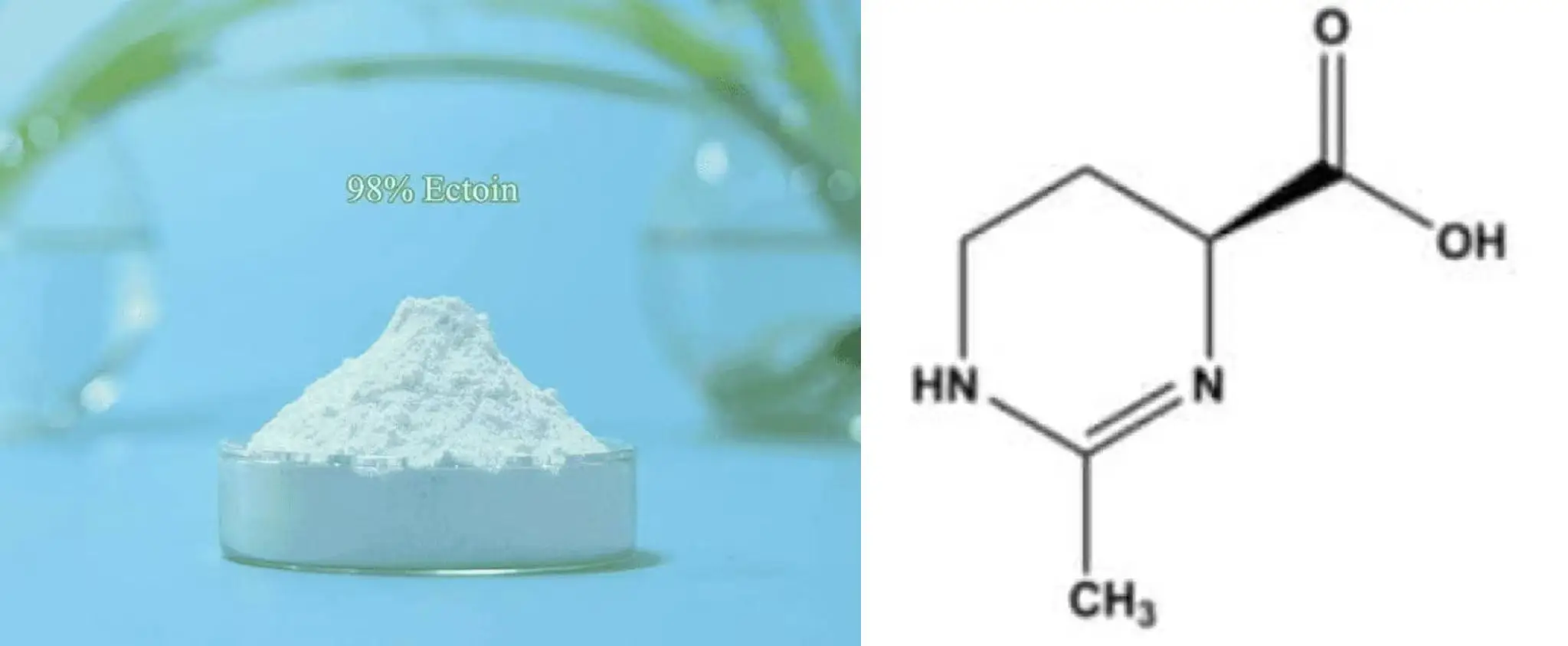
What it is.
Ectoin is one of the most widely distributed compatible solutes in the bacterial world. Because it is compatible with intracellular metabolism, it protects cells without disturbing their macromolecular functions or physiological processes — the property that makes it so useful in skin care. Its molecular surface carries a dense charge that binds water molecules easily, which is where both the moisturizing effect and the protective effect begin.
How it works.
Under stress (heat, UV, dryness, pollution), ectoin forms a hydration shell around cells, enzymes and proteins — a protective water layer that keeps biological molecules in their properly folded, functional state and prevents cell dehydration. Stressed skin cells additionally respond by producing heat shock proteins, helping each cell maintain normal physiological activity while ectoin calms visible irritation.
Where it fits in skin care.
Environmental-protection and anti-pollution products, after-sun care, sensitive-skin soothing lines, hydrating serums and masks, and moisturizing formulas in ectoin skincare where a protective active is needed alongside the barrier lipids.
Where does ectoin come from?
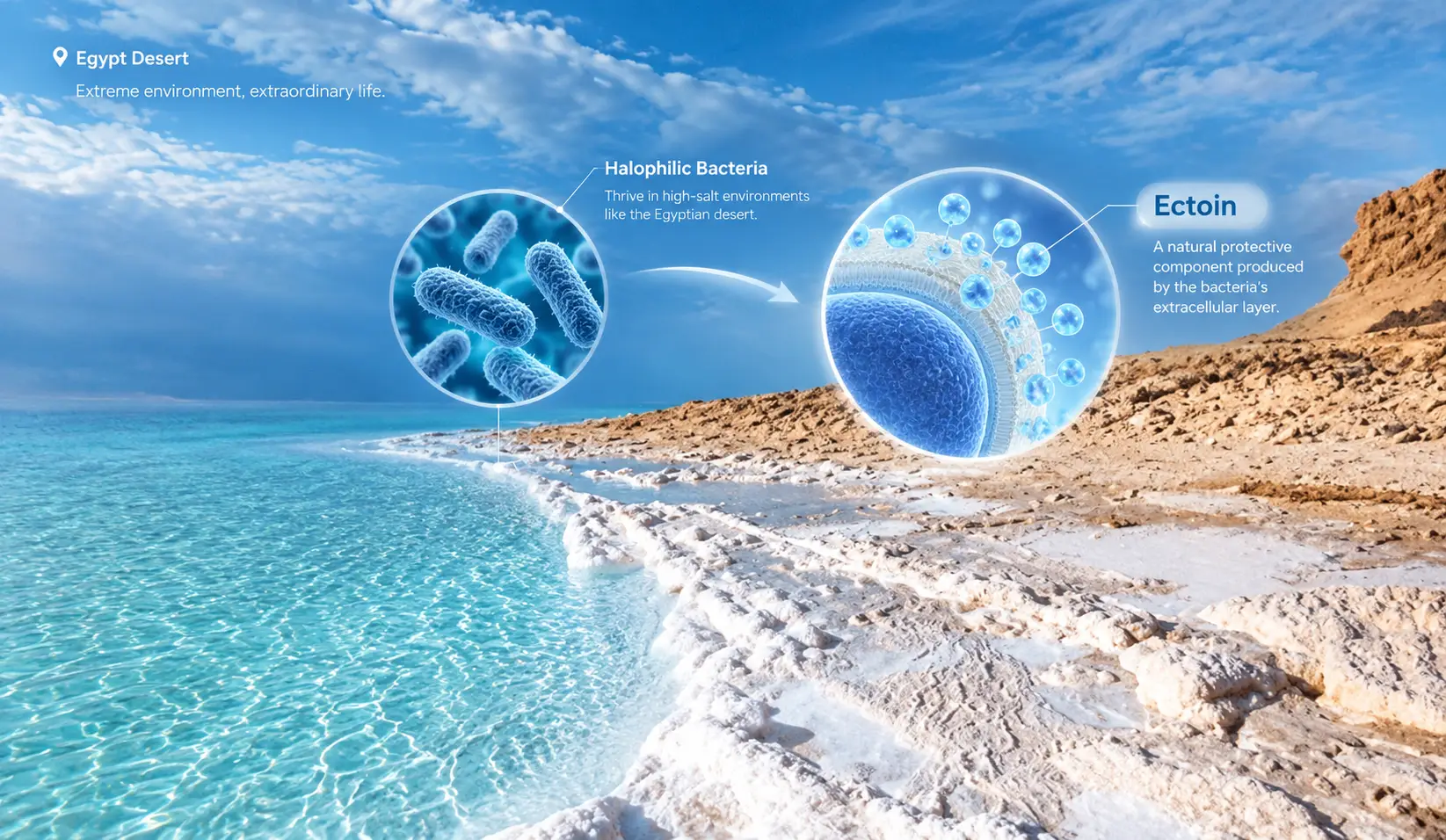
In 1985, Galinski and colleagues described the halophilic ("salt-loving") bacterium Halomonas elongata from a salt lake in Egypt — the organism in which ectoine was first identified (Galinski et al., 1985). Under high temperature, dryness, strong UV irradiation and high salinity, these microorganisms produce a natural protective ingredient in the outer layer of their cells — the ingredient is ectoin. The same salt-tolerant bacteria were later found in many high-salt lakes and saline-alkali lands, such as the Chaka Salt Lake and Chaerhan Salt Lake in China, whose strains are also excellent ectoin producers.
Ectoine production today. Ectoin is made by a biochemical (microbial fermentation) process — no plant extraction, no solvents from harsh chemistry. The route is safe and effective, with no residual pollutants in the finished ectoin powder, and delivers batch-to-batch consistency for cosmetic manufacturing.
What does ectoin do for skin?
Ectoin skin benefits come from one mechanism — the hydration shell — expressed in three ways: holding water, shielding cells and calming visible stress.
Moisturizing that rebuilds the water-locking system
The cyclic ectoin molecule is strongly electronegative and forms hydrogen bonds with water, strengthening the associative network of water molecules in the stratum corneum. Unlike short-term film-forming humectants, ectoin penetrates into the epidermis and supports the skin's own water-locking system — which is why it is often formulated after low-molecular-weight hyaluronic acid to compensate rapid water loss.
Protection against environmental stress
When skin cells face environmental pressure — heat, UV radiation, dry air, heavy metals — ectoin forms its protective hydration shell and triggers emergency-protection responses including heat shock proteins, helping each cell maintain normal activity. In Plamed's own pharmacological study, 4.0% ectoin inhibited UVB-induced apoptosis of keratinocytes by 88.9%, and 2 mmol/L inhibited UVA-induced melanocyte apoptosis by 68.1% — the data behind "environmental protection" positioning.
Soothing stressed, irritated skin
Ectoin acts as a strongly ordering substance: it forms a stabilizing barrier around cells, enzymes and proteins, so skin cells are effectively shielded from external irritating factors and visible inflammation is reduced. This makes it a core soothing active for sensitive-skin and after-sun formulas.
What do the pharmacological studies show?
Test item | Concentration | Result |
Promotion of superoxide dismutase (SOD) relative activity | 0.7 mol/L | +25.7% |
Topical application: water content increase in stratum corneum | 1.0% | >+10% |
Inhibition of melanocyte apoptosis under UVA (365 nm, 0.8 J/cm²) | 2 mmol/L | 68.1% inhibition |
Inhibition of keratinocyte apoptosis under UVB (100 mJ/cm²) | 4.0% | 88.9% inhibition |
Inhibition of neutrophil apoptosis (cell culture) | 1 mmol/L | 54.2% inhibition |
Inhibition of B-16 melanocyte activity | 0.1 mmol/L | 38.7% inhibition |
The six data points form one protective story: ectoin keeps the skin's own antioxidant enzyme (SOD) working 25.7% harder, measurably raises stratum-corneum hydration (+10% at 1.0%), and shields the two cell types UV damages most — keratinocytes (88.9% protection at 4.0%) and melanocytes (68.1% at 2 mmol/L). The B-16 inhibition (38.7%) adds a secondary brightening rationale for tone-evening formulas.
Which products use ectoin?
Ectoin is used in environmental-protection, after-sun, soothing and hydrating products — serums, facial masks, emulsions, toners and creams, including suncare formulas where it pairs with UV filters. Reference dosage: 0.3%–2.0%.
Application scenarios:
Scenario | Form positioning | Reference dosage |
Anti-pollution / urban-defense serum | Environmental-stress shield | 0.5%–2.0% |
After-sun repair gel / mask | Calm UV-stressed skin | 0.5%–2.0% |
Sensitive-skin soothing toner / emulsion | Reduce reactivity, hydrate | 0.3%–1.0% |
Moisturizing essence | Hydration + cell protection | 0.3%–2.0% |
Suncare (with UV filters) | Support photo-protection claim | 0.5%–1.0% |
Reference formulas
Skin Spray
Ingredient | Content (%) |
Ectoin | 2.5 |
Sodium Hyaluronate | 0.3 |
Butanediol | 5.0 |
Dermatan Sulfate Sodium Salt | 5.0 |
Glycerin | 3.0 |
Propylene Glycol | 3.0 |
Betaine | 2.0 |
Allantoin | 0.1 |
Water | Add to 100(79.1) |
Total | 100.00 |
Night Skincare Product
Ingredient | Content (%) |
Ectoin | 1.0 |
Glycerin | 2.0 |
Magnesium Sulfate | 1.2 |
Caprylic/Capric/Linoleic Triglyceride | 5.0 |
Decyl Cocoate | 8.0 |
Polyglyceryl-3 Diisostearate | 2.0 |
Polyglyceryl-3 Polyricinoleate | 3.0 |
Cera Alba | 0.5 |
Isocetyl Stearoyl Stearate | 2.0 |
Ganoderma Atrum (Mushroom) Extract | 1.0 |
Fragrance | q.s. |
Preservative | q.s. |
Water | Add to 100 |
Is ectoin safe for cosmetics?
l Ectoin (ECTOIN) is listed in the IECIC (Inventory of Existing Cosmetic Ingredients in China, 2021) and was recognized by CTFA (now PCPC) as a cosmetic raw material; there are no reports indicating that ectoin is unsafe for external use.
l Its biochemical production route leaves no residual pollutants, supporting clean-label positioning.
How much does ectoin cost, and what is the MOQ?
Supply:
Item | Detail |
MOQ | 1 kg |
Package | 25 kg fiber drum with double PE liner |
Storage | Cool, dry place, away from direct sunlight and oxidizing agents |
Lead time | Confirm with sales |
Documents | See Available Document below (9 items) |
What ectoin offers:
High quality ectoin powder manufacturer profile: ≥98% assay, white powder, water-soluble, microbial-fermentation route with no residual pollutants — the specification behind ectoin skincare and suncare launches worldwide.
Available Document of Ectoin:
Certificate of Analysis (COA)
Material Safety Data Sheet (MSDS)
Composition Statement / Compositional Breakdown
Manufacturing Process Flowchart
Method of Analysis (MOA)
Accelerated Stability Data Report
Regulatory & Quality Statements (Vegan, Non-Animal Testing, Halal, ISO 16128, TSE/BSE Free, Non-Nano, CMR-Free, CITES)
Product Brochure & Technical Introduction
To request a quote or a sample, contact Plamed Green Science Group here.
Ectoin supplier and wholesale manufacturer
Plamed is an ectoin supplier and wholesale manufacturer of fermentation-derived ectoin powder (≥98%, PMS1201). Whether you want to buy ectoin for a new environmental-protection line, compare ectoin wholesale offers, or evaluate ectoin powder for sale listings from wholesale ectoin suppliers, Plamed supports the decision with the full document package above and free lab-evaluation samples.
Price and wholesale supply
Ectoin price depends on purity requirements, order volume, packaging and destination documentation. To buy ectoin powder at the best value, source directly from the manufacturer: request a quotation matched to your volume — from 1 kg lab trials to wholesale ectoin powder volumes for production.
Q1: What is ectoin?
A: Ectoin (INCI: ECTOIN, CAS 96702-03-3) — also spelled ectoine — is a cyclic amino acid derivative and extremolyte first discovered in halophilic bacteria in 1985. It protects cells from heat, dryness, salinity and UV, and is used in cosmetics at 0.3%–2.0% as a protective and moisturizing active.
Q2: What does ectoin do for skin?
A: Three things: it holds water (its charged surface binds water molecules into a stabilizing hydration shell), it shields skin cells from environmental stress such as UV and dry air (88.9% inhibition of UVB-induced keratinocyte apoptosis at 4.0% in Plamed's study), and it calms visible irritation.
Q3: How does ectoin protect skin from environmental stress?
A: Under stress, ectoin forms a hydration shell around cells, enzymes and proteins, keeping them properly folded and functional, while skin cells respond with heat shock proteins — together preventing cell dehydration and maintaining normal physiological activity.
Q4: Is ectoin a better moisturizer than hyaluronic acid?
A: They work differently and complement each other. Hyaluronic acid is a high-capacity water reservoir; ectoin both binds water and stabilizes the skin's own water-locking system. Formulas often combine both — ectoin compensates the rapid water loss that low-molecular-weight HA can leave behind.
Q5: What is the recommended dosage of ectoin in skin care?
A: 0.3%–2.0% across product types; after-sun and anti-pollution serums typically sit at the higher end (0.5%–2.0%), daily moisturizers at the lower end.
Q6: Is ectoin safe?
A: Yes — ectoin is listed in China's IECIC (2021) and recognized by PCPC (formerly CTFA), with no reports of unsafety for external use. Its microbial production route leaves no residual pollutants.
Q7: How is ectoin produced — is it natural?
A: Ectoin is made by a biochemical (microbial fermentation) process inspired by how halophilic bacteria produce it in nature — no plant extraction, no residual pollutants, and batch-to-batch consistency suitable for cosmetic manufacturing.
Q8: What is the MOQ, price and lead time?
A: MOQ is 1 kg; packaging is 25 kg fiber drums with double PE liners. Price depends on specification and volume — request a quotation; lead time is confirmed per order.
Q9: What documents do you provide with ectoin powder?
A: TDS, COA, MSDS, Composition Statement, Manufacturing Process Flowchart, Method of Analysis (MOA), Accelerated Stability Data Report, Regulatory & Quality Statements (Vegan, Non-Animal Testing, Halal, ISO 16128, TSE/BSE Free, Non-Nano, CMR-Free, CITES), and a Product Brochure & Technical Introduction.
Q10: Which products is ectoin used in?
A: Anti-pollution serums, after-sun repair, sensitive-skin soothing lines, hydrating essences and masks, and suncare formulas — anywhere skin needs help tolerating environmental stress (ectoin skincare positioning).