
PCR® Supermolecule Escin for Anti-Redness Skincare
PCR® Supermolecule Escin is a water-soluble horse chestnut seed extract active standardized to ≥6% escin (also called aescin) by HPLC. Escin 10% is combined with hydroxypropyl cyclodextrin 90%, so the powder dissolves into a clear, light-colored solution for eye-area care, redness-appearance care and skin-comfort formulations in aqueous cosmetic systems.
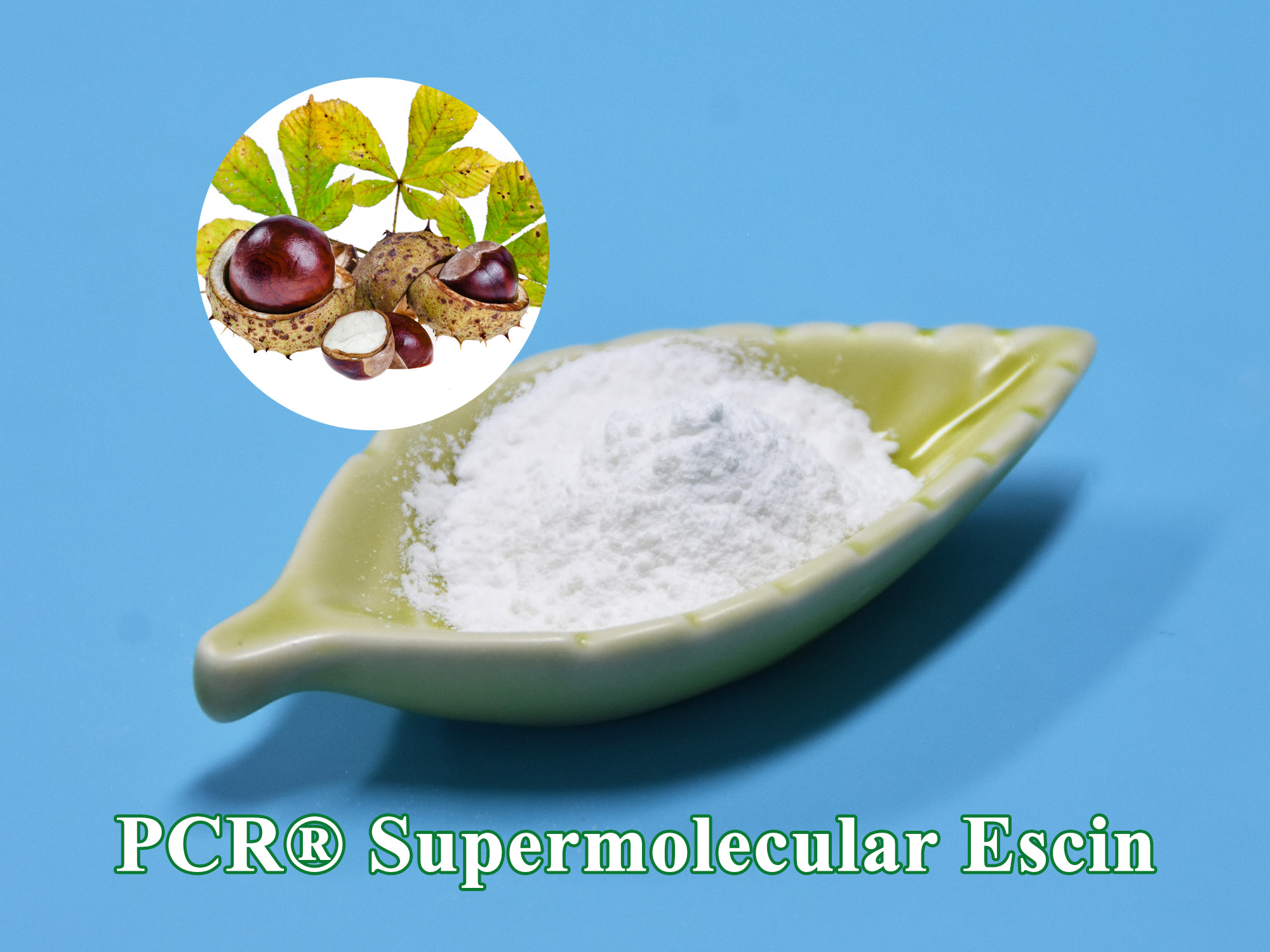
PCR® Supermolecule Escin
Derived from horse chestnut, PCR® Supermolecule Escin is a botanical active ingredient for skin redness relief and repair. It helps soothe skin redness, improve inflammatory responses and capillary dilation, while supporting microcirculation and skin barrier repair. These properties make it suitable for sensitive skin care and redness-repair formulations, highlighting the potential of escin in skin care.
Using Plamed’s Supramolecular Technology, this horse chestnut seed extract is optimized for formulation performance. As one of the horse chestnut seed extract suppliers, we have also pioneered a quality standard requiring an absolute total content of at least 6% for four types of aescins. By supporting water solubility and stability, PCR® Supermolecule Escin provides brands with a more consistent and reliable botanical active solution for developing skin barrier repair ingredients and sensitive skin care products.
At a glance
Item | Detail |
Product name | PCR® Supermolecule Escin |
Active | Escin (aescin) |
Botanical source | Horse chestnut seed, Aesculus chinensis Bunge |
INCI | ESCIN; HYDROXYPROPYL CYCLODEXTRIN |
CAS number | Escin 6805-41-0; Hydroxypropyl Cyclodextrin 128446-35-5 |
Composition | Escin 10%; Hydroxypropyl Cyclodextrin 90% |
Escin content | ≥6% (HPLC) |
Form | White to off-white powder, water soluble |
Recommended use level | 0.1%–2.0% |
Shelf life | 36 months when stored properly |
Supplier | Plamed Green Science Group — global supply |
What Is Escin and Where Does It Come From?
Escin, also written aescin, is the main saponin group found in the seed of the horse chestnut tree. The two spellings describe the same active compound, so this ingredient appears online as escin, as aescin, and as horse chestnut seed extract aescin.
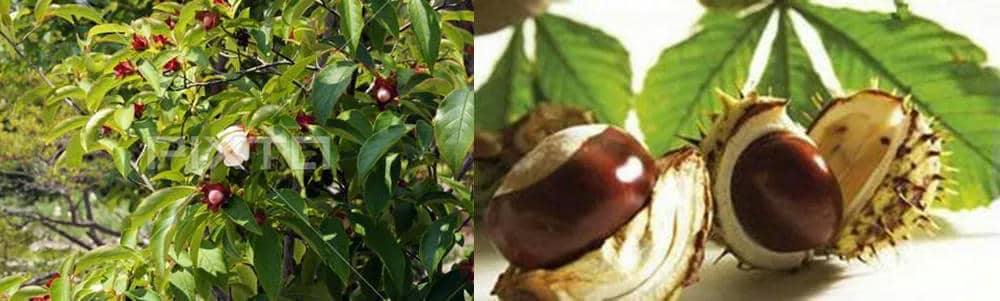
Horse chestnut (Aesculus chinensis Bunge) is a deciduous tree of the Sapindaceae family, also known as the conker tree. Its seed is roughly spherical and chestnut-brown, and is rich in saponins, predominantly escin, together with fatty oil, crude protein, fibre and starch. Horse chestnut has a long history of use in traditional Chinese medicine; today the seed is used mainly as a cosmetic raw material.
Also known as: extract of horse chestnut; aescin; escin
Horse Chestnut Seed — Origin, Botany and Sourcing
Horse chestnut (Aesculus chinensis Bunge) is a deciduous tree of the Sapindaceae family, also known as the conker tree. Its seed is roughly spherical and chestnut-brown, and is rich in saponins — predominantly escin — together with fatty oil, crude protein, fibre and starch. Horse chestnut has a long history of use in traditional Chinese medicine; today the seed is used mainly as a cosmetic raw material.
The escin in PCR® Supermolecule Escin is derived from the fruits of Aesculus chinensis Bunge. Premium horse chestnut sourced from Hanzhong, Shaanxi, China is selected as the starting material to ensure traceability and premium quality. Origin documentation is available on request.
Horse Chestnut Extract Benefits for Skin
Standardized escin is usually difficult to dissolve and can be dark in color, which historically limited horse chestnut extract benefits in clear and light-colored skin care. In its supramolecular, water-soluble form, escin can be used in aqueous systems, serums, essences, eye products and light lotions, not only in emulsions.
Benefit | What it means in formulation |
Water-soluble escin active | Suitable for aqueous and water-based cosmetic systems, including clear gels, essences and toners |
Supramolecular formulation approach | Designed to improve the aqueous application performance of escin |
Clear-solution formulation support | Supports light-colored and transparent formulation concepts |
Eye-area care support | Supports eye-area care and appearance-focused formulations for dark circles and under-eye puffiness |
Redness-appearance support | Supports cosmetic formulations targeting the appearance of skin redness and skin discomfort |
Skin-comfort application | Suitable for skin-comfort and sensitive-skin care formulations |
Botanical active profile | Escin is derived from the fruits of Aesculus chinensis Bunge |
Standardized escin content | Escin is standardized at ≥6% by HPLC for batch-to-batch consistency |
Vegan and non-animal profile | Vegan and non-animal documentation is available |
Mechanism and Function of PCR® Supermolecule Escin
Anti-osmotic
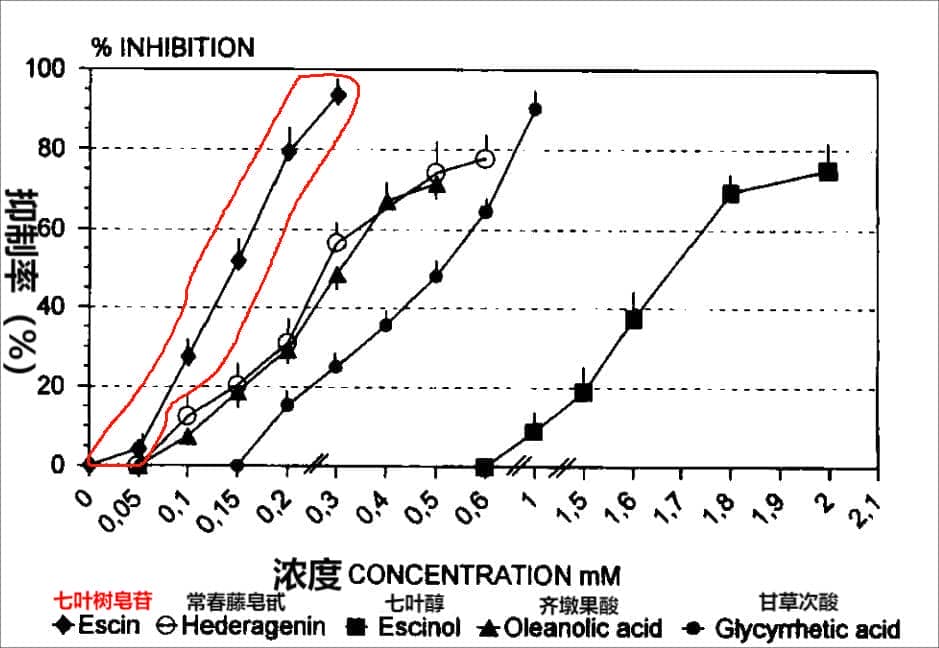
In vitro experiments demon strated that incubation with escin strongly inhibited the activity of hyaluronidase, which degrades hyaluronic acid, the main component of the capillary extravascular matrix. Recovery of components such as hyaluronic acid may reduce leakage of plasma from endothelium and may help to explain the effect of escin on edema.
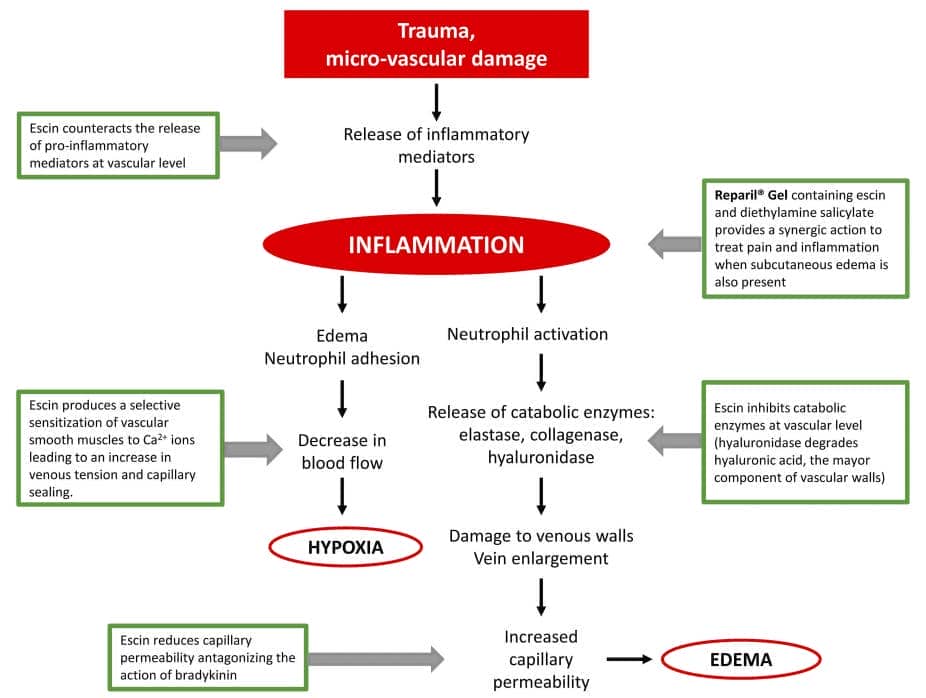
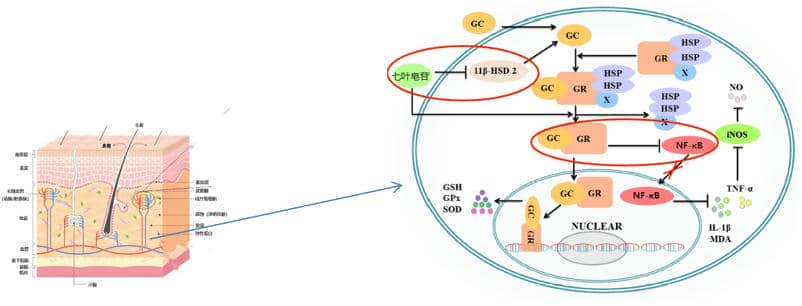
Figure. The mode of action of escin
The test results showed that when the concentration of escin was 0.25mM, the inhibitory effect on hyaluronidase reached more than 90%. At the same concentration, escin had better inhibition effect on hyaluronidase, and the effective concentration was lower.
The efficacy of 1% escin+5% DEAS gel versus a placebo gel was compared in patients with stages 2 and 3 saphenous vein varices in a randomized, placebo-controlled, double-blind, clinical study. As can be seen from the figure, the anti-edema effect of escin preparation was significantly better than that of the placebo group, and the edema symptoms of most people who applied it were significantly relieved after 2 weeks.
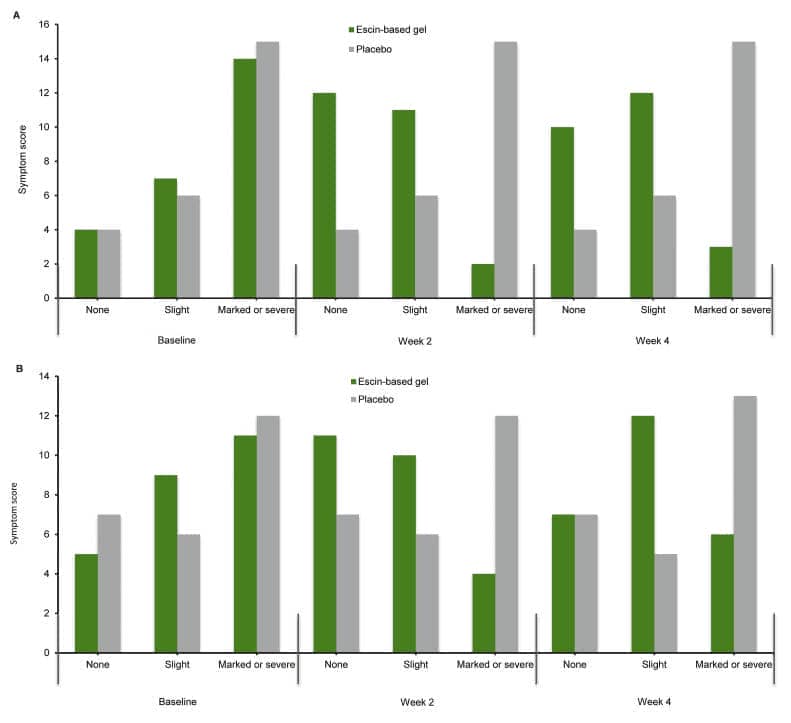
Figure. Changes in (A) heaviness in the legs (B) and swelling in the evening symptom scores after topical application of escin-based gel or placebo in patients with saphenous vein varices
Anti-inflammation
Escin can reduce the levels of inflammatory factors TNF-α, IL- 1β and PGE2. It also achieves anti-inflammatory effects by up-regulating the expression of the glucocorticoid receptor (GR) and by inhibiting the expression of GR-related signalling molecules such as NF-κB and AP-1.
Among them, pro-inflammatory cytokines activate endothelial cells, leading to increased vascular permeability in injured tissues, resulting in capillary leakage and vasodilation, causing skin redness, inflammation and other injuries. Therefore, reducing the level of inflammatory factors can also achieve the effect of anti-redness.
It has been proved that escin can relieve the foot swelling, ear swelling, capillary permeability and cotton ball granuloma in rats, and has a good anti-inflammatory and anti-edema effect.
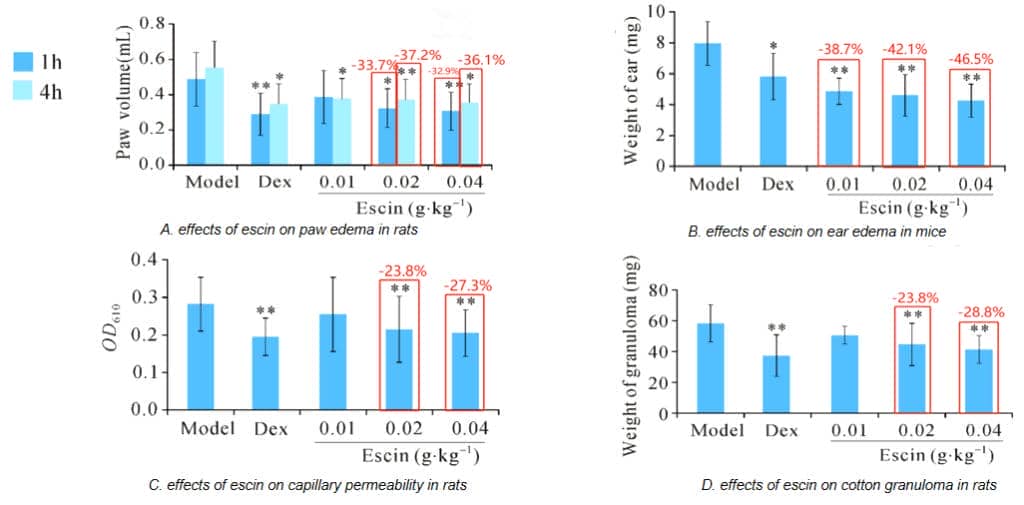
Figure. Anti-inflammatory effects of escin in vivo.
Model: the group treated with blank gel; Dex: the reference drug group treated with Dexamethasone acetate cream. *P < 0.05 and **P < 0.01 vs model group
The below figure shows that escin can effectively up-regulate the expression of glucocorticoid receptor (GR) in rat paw tissues and dorsal skin, by up-regulating glucocorticoid receptor, thus achieving anti-inflammatory effect.
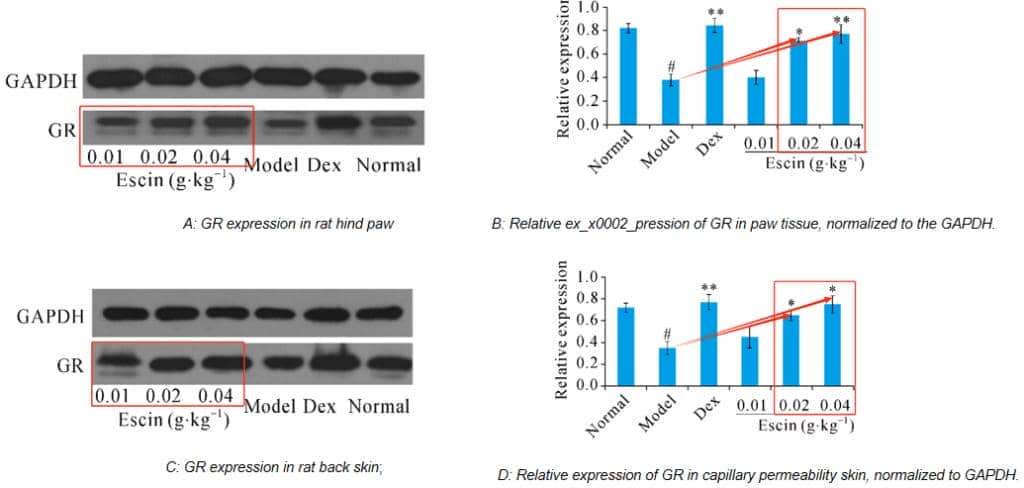
Figure. Effects of escin on protein expression of GR in inflammatory tissues.
#P < 0.05 vs normal control, *P < 0.05 and **P < 0.01 vs model control
Inhibit telangiectasia
Recent pharmacological studies have confirmed that escin has the effect of resisting inflammation and exudation, increasing venous tone and improving microcirculation, and its effect of promoting venous and microvascular blood circulation is most prominent. Escin promotes blood circulation and maintains the normal function of venous blood vessel walls, and is often used to improve the redness and swelling of varicose veins and acute contusions. In addition, escin repair dressing is both soothing and moisturising, and is able to counteract skin sensitivity, inhibit capillary inflammatory reactions, and avoid vascular damage caused by acute inflammation.
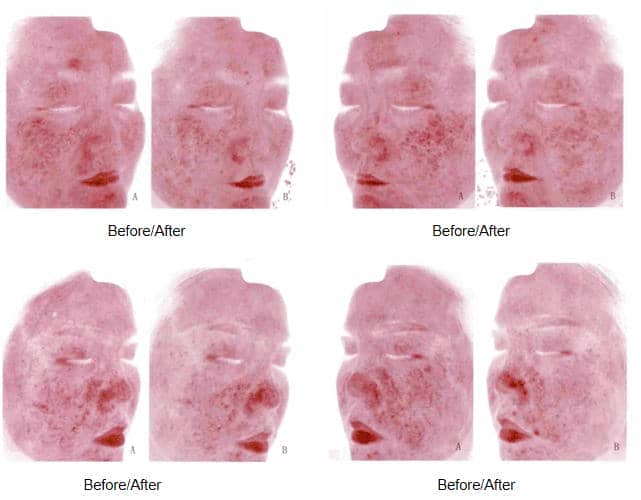
The total effective rate of using epidermal nutrient solution and escins repair dressings in the treatment of telangiectasia was 94.74%, and the recurrence rate was 16.67%, which was significantly lower than the recurrence rate of 40% in laser treatment alone, and the recurrence rate decreased by 58.3%.
Technology: Why Water-Soluble Escin
Supramolecular water-solubility support
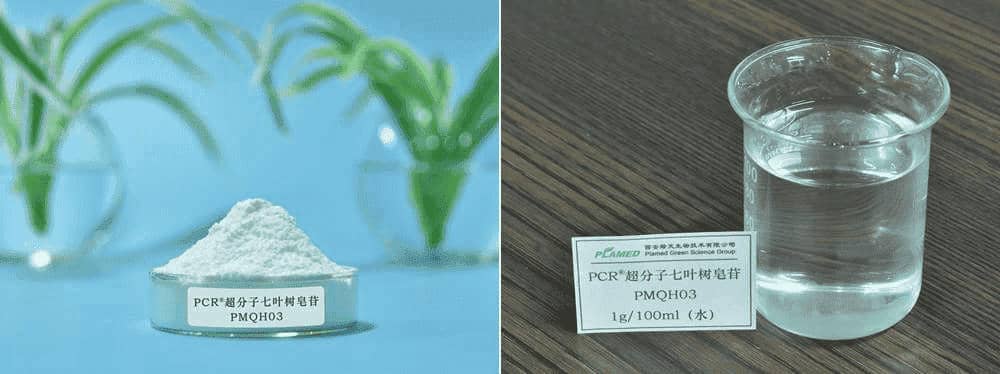
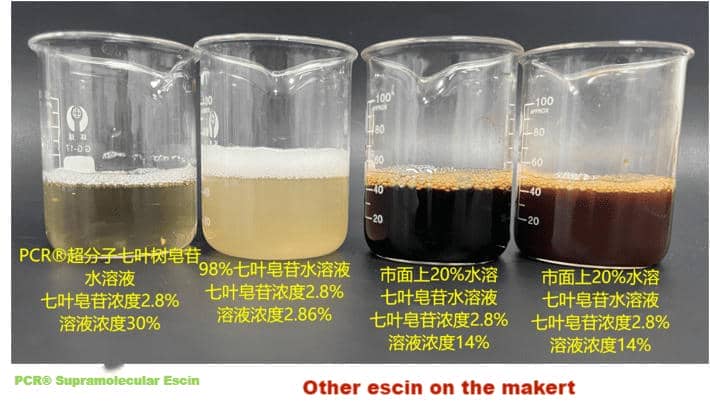
PCR® Supermolecule Escin is white to off-white color. Plamed uses the Supramolecular capture technology and decolorization technology to solve the problem of deep color of escin, so that its water solution is clarified and transparent.
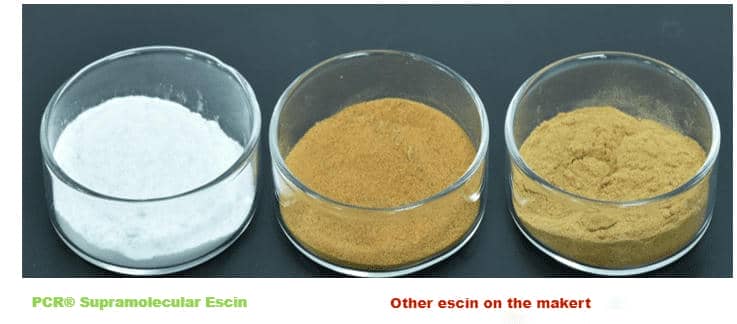
Conventional escin is difficult to dissolve and is often dark in color, which limits its use in clear, light-colored systems. PCR® Supermolecule Escin uses hydroxypropyl cyclodextrin as part of a Supramolecular formulation approach that supports the water solubility and formulation usability of escin in aqueous and water-based cosmetic systems.
Escin-based botanical active
The horse chestnut seed extract provides a standardized escin active for cosmetic formulation development, with application directions including eye-area care, redness-appearance care and skin comfort. Escin is derived from the fruits of Aesculus chinensis Bunge.
Stability and pH
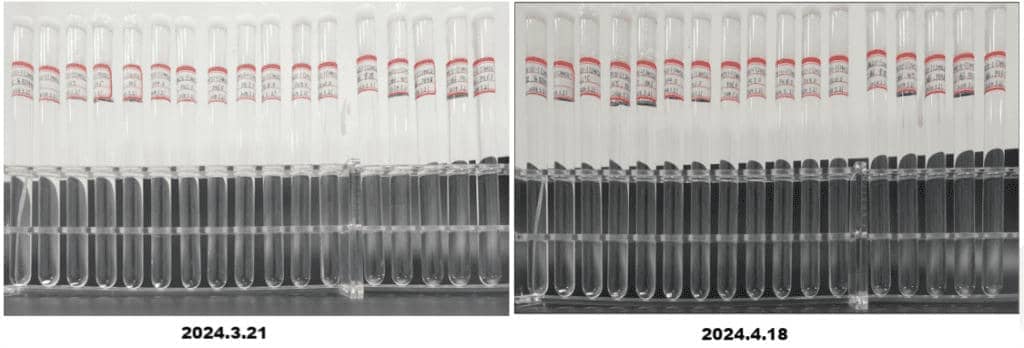
Stability data shows that the ingredient remains relatively stable within a pH range of 4 to 6, retaining stability at pH 4 for up to one year. Solutions at different pH remain transparent and colorless, and product stability has been confirmed after one month at low (4 °C), normal (20–30 °C) and high (45 °C) temperatures.
Escin in Skin Care — Applications, Formats and Dosage
Applications
As consumer demand for natural skincare ingredients continues to grow, escin is gaining recognition in skincare formulations. With its light color, good water solubility and clear-solution properties, PCR® Supermolecule Escin is a versatile botanical active for skin comfort and the appearance of redness, suitable for eye-area, facial, body and leg care products. For brands and formulators seeking wholesale horse chestnut seed extract, it offers a formulation-focused option for natural skincare development.
Module | Recommended content |
Markets | Skin care; eye care; sensitive-skin care; body care; leg care |
Applications | Eye-area care; dark-circle appearance care; under-eye puffiness appearance care; redness-appearance care; skin-comfort care; microcirculation-related cosmetic applications |
Product formats | Eye cream; eye serum; eye mask; serum; cream; lotion; facial mask; body care; leg care |
Formulation scenarios | Aqueous formulations; water-based cosmetic systems; light-colored and transparent concepts; eye-area care; sensitive-skin care; facial care; body care; leg care |
Recommended dosage
Application | Recommended dosage |
Eye cream, eye serum, eye mask, facial serum, cream, lotion, body lotion, body cream, body spray | 0.1%–2.0% |
The recommended use level is 0.1%–2.0%, depending on formulation type and intended application. Formulation guidance is available on request.
Formulation tip
PCR® Supermolecule Escin dissolves in water at room temperature: a 3% aqueous solution clears after about five minutes of simple stirring, with no heating or ultrasound required.
Buying Horse Chestnut Seed Extract: Supplier, Packaging and Sampling
Plamed Green Science Group manufactures PCR® Supermolecule Escin and supplies it worldwide, subject to destination-specific regulatory, import, documentation and shipping requirements. If you are comparing horse chestnut seed extract suppliers, or looking to buy horse chestnut seed extract in development or wholesale quantities, these are the specifications worth checking first.
What to look for | Why it matters | PCR® Supermolecule Escin |
Standardized escin content, verified by HPLC | Actives vary widely between raw horse chestnut extracts | ≥6% escin; HPLC method of analysis supplied |
Water solubility and solution clarity | Determines whether the extract works in clear and aqueous systems | Water soluble; clear, colorless solution |
Color | Dark extracts discolor light formulations | White to off-white powder |
Full documentation | Needed for formulation, safety and market compliance | TDS, SDS, COA, stability, origin and vegan statements |
Batch-to-batch stability | Keeps finished-product performance consistent | Supramolecular capture technology for batch stability |
Available Document of PCR® Supermolecule Escin
Technical Specification
Safety Data Sheet
Certificate of Analysis
Stability Support Documentation
Method of Analysis
Composition Breakdown Statement
Source Origin Statement
Vegan and Non-animal Statement
Application Formulations
Manufacturing Flow Chart
Technical and Market-Compliance Support Documents
Efficacy and Application Reports
Minimum order quantity 1 kg.
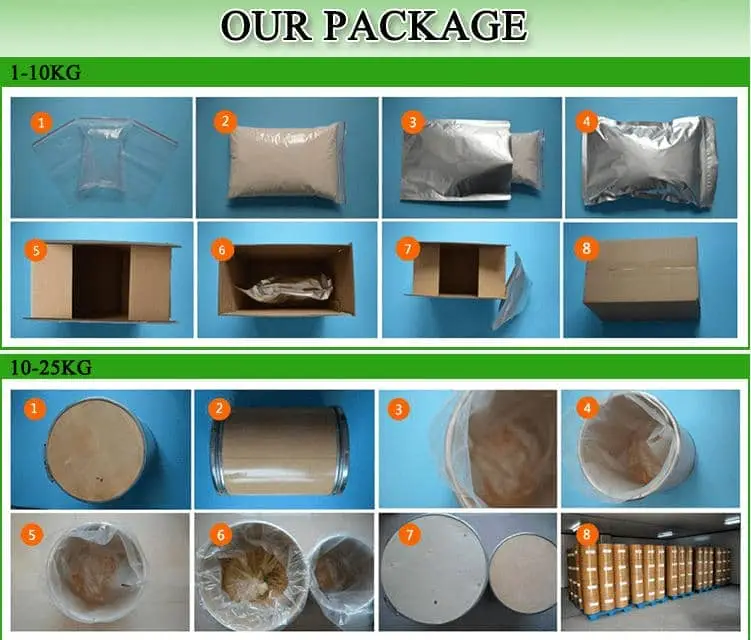
Packaging: 1 kg aluminum foil bags, or 25 kg paper drums with two inner plastic bags. Evaluation samples are available so formulators can screen horse chestnut seed extract powder in their own base before scale-up.
Storage: stored in a cool, dry place away from direct sunlight and oxidizing agents. Shelf life 36 months when stored properly.
Technical Data Sheet of PCR® Supermolecule Escin
Test item | Specification |
Composition | Escin 10%; Hydroxypropyl Cyclodextrin 90% |
INCI | ESCIN; HYDROXYPROPYL CYCLODEXTRIN |
CAS number | Escin: 6805-41-0; Hydroxypropyl Cyclodextrin: 128446-35-5 |
Escin | ≥6%; HPLC |
Appearance | Powder |
Color | White to off-white |
Odor | Characteristic |
Solubility | Water soluble |
Moisture | ≤10.0% |
Ash | ≤7.0% |
Pb | ≤10 ppm |
As | ≤2 ppm |
Hg | ≤1 ppm |
Cd | ≤5 ppm |
Total plate count | ≤1000 CFU/g |
Yeast and mould | ≤100 CFU/g |
Pseudomonas aeruginosa | Not detected |
Staphylococcus aureus | Not detected |
Heat-resistant escherichia coli | Not detected |
Recommended use level | 0.1%–2.0%, depending on formulation type and intended application |
Shelf life | 36 months when stored properly |
Storage | Store in a well-closed container in a dry and ventilated place; avoid sunlight and high temperature |
Compliance and Documentation
PCR® Supermolecule Escin is supplied with supporting information for ingredient identity, composition, quality specifications, safety, formulation use and relevant product attributes. Regulatory assessment should be completed for the finished cosmetic product and the target market.
Compliance area | Available information |
INCI and composition | ESCIN; HYDROXYPROPYL CYCLODEXTRIN; composition information for the product system |
SDS and safety | Technical specifications, quality and safety information, and safety data documentation |
Analytical method | HPLC method of analysis for escin |
Source origin information | Escin derived from the fruits of Aesculus chinensis Bunge; product manufactured in China |
Vegan and non-animal information | Documentation supporting the absence of animal ingredients and animal by-products |
Technical documentation | Technical, formulation, stability, application and market-compliance support documentation available on request |
Q:Where is the origin of the raw material for PCR® Supermolecule Escin?
A: Premium horse chestnut sourced from Hanzhong, Shaanxi, China. The selected horse chestnut seed extract for sale serves as the starting material, supporting raw material traceability and consistent quality.
Q:How soluble is PCR® Supermolecule Escin in water?
A: PCR® Supermolecule Escin exhibits excellent solubility. When preparing a 3% aqueous solution, simply stir at room temperature for about 5 minutes to achieve complete dissolution and clarity. No supplemental high-temperature heating or ultrasonic assistance is needed.
Q:What causes minor precipitation in the aqueous solution after being left for one year?
A: Long-term precipitation is mainly attributed to two factors:
First, as time goes by, the internal supramolecular inclusion balance shifts slowly, causing aggregates to form;
Second, the glycosidic bonds of escin may undergo gradual micro-hydrolysis over time, leading to precipitation (Note: Comprehensive stability testing for new batches, including content and pH monitoring, is currently underway).
Q:What is the optimal effective pH range for this raw material?
A: Stability data shows that the ingredient remains relatively stable within a pH range of 4 to 6 (retaining stability at pH 4 for up to one year). Significant deviations from this pH range may induce minor precipitation upon prolonged storage.
Q:What type of formulation base was utilized in the in vivo efficacy test report?
A: The evaluation was conducted using samples specifically designed based on an eye cream formula, though this base formula has not undergone commercial optimization. We can provide this base formula to clients as a benchmarking reference for subsequent testing and refinement.
Q:To further enhance the skin penetration of this ingredient for repair skin barrier, what penetration carriers are recommended in the formulation?
A: Formulators can select from the following three categories of common penetration enhancers:
Chemical Enhancers: Ethanol, glycols (propanediol/butanediol), fatty acids (oleic acid), surfactants, azone, DMI, etc.
Natural Enhancers: Mint derivatives (menthol), eugenol, inositol, eucalyptus oil, terpenes, tetrahydropiperine (THP), etc.
Biological Enhancers: Penetration peptides (offering high biocompatibility, enabling efficient transport of large molecules across biological membranes at low dosages).
Q:If I plan to conduct efficacy testing for the sample, should I test the raw material aqueous solution directly or add it to the basic formula?
A: It depends on your testing objective: For rapid screening of anti-irritation or soothing properties, the raw aqueous solution can be tested directly. However, to verify long-term efficacy such as dark circle reduction, it is highly recommended to incorporate it into a stable base formulation before conducting clinical or in vitro trials.