
Plamed Vision: Become the leader of natural cosmetic ingredients for sensitive skin.
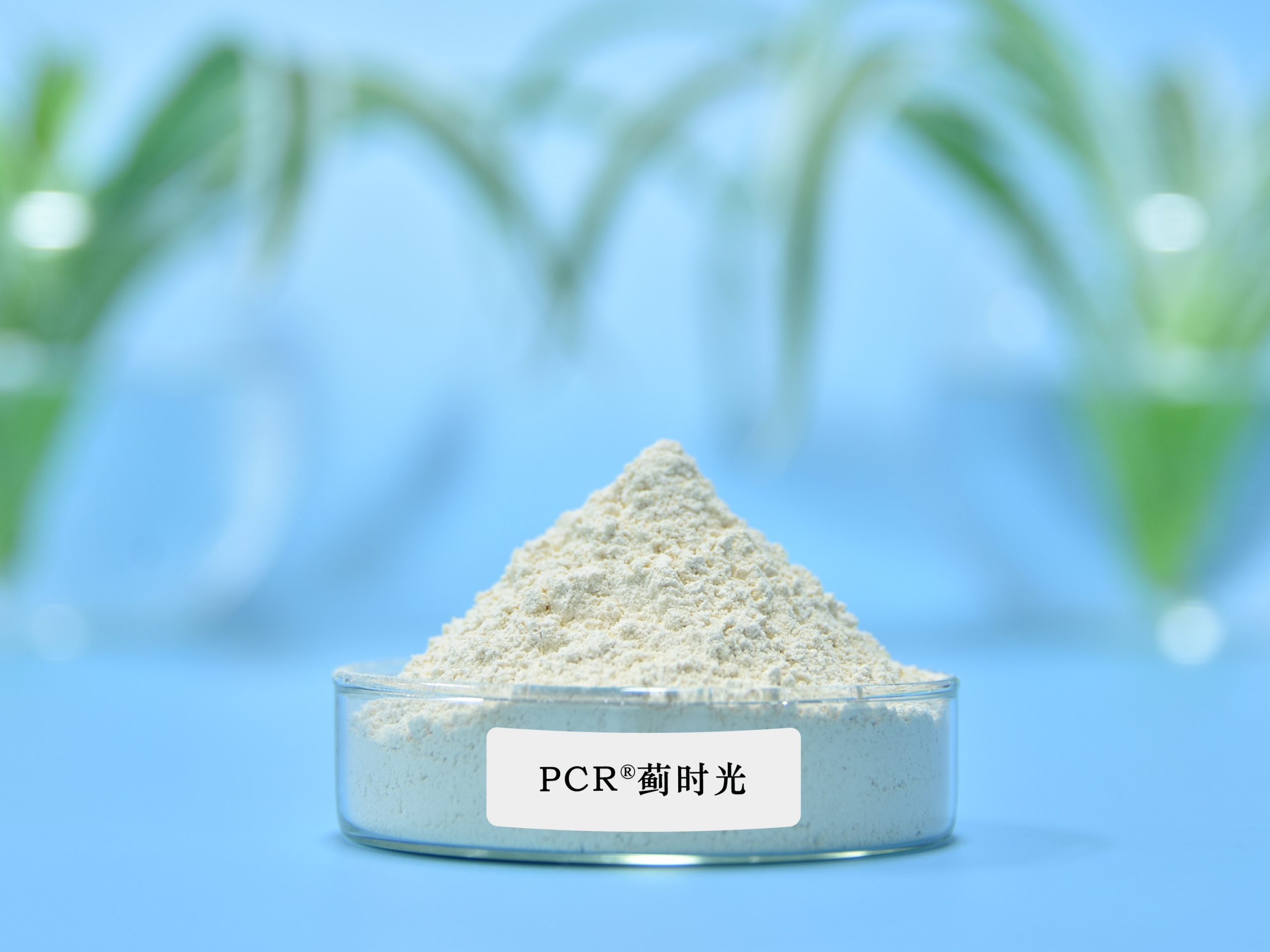
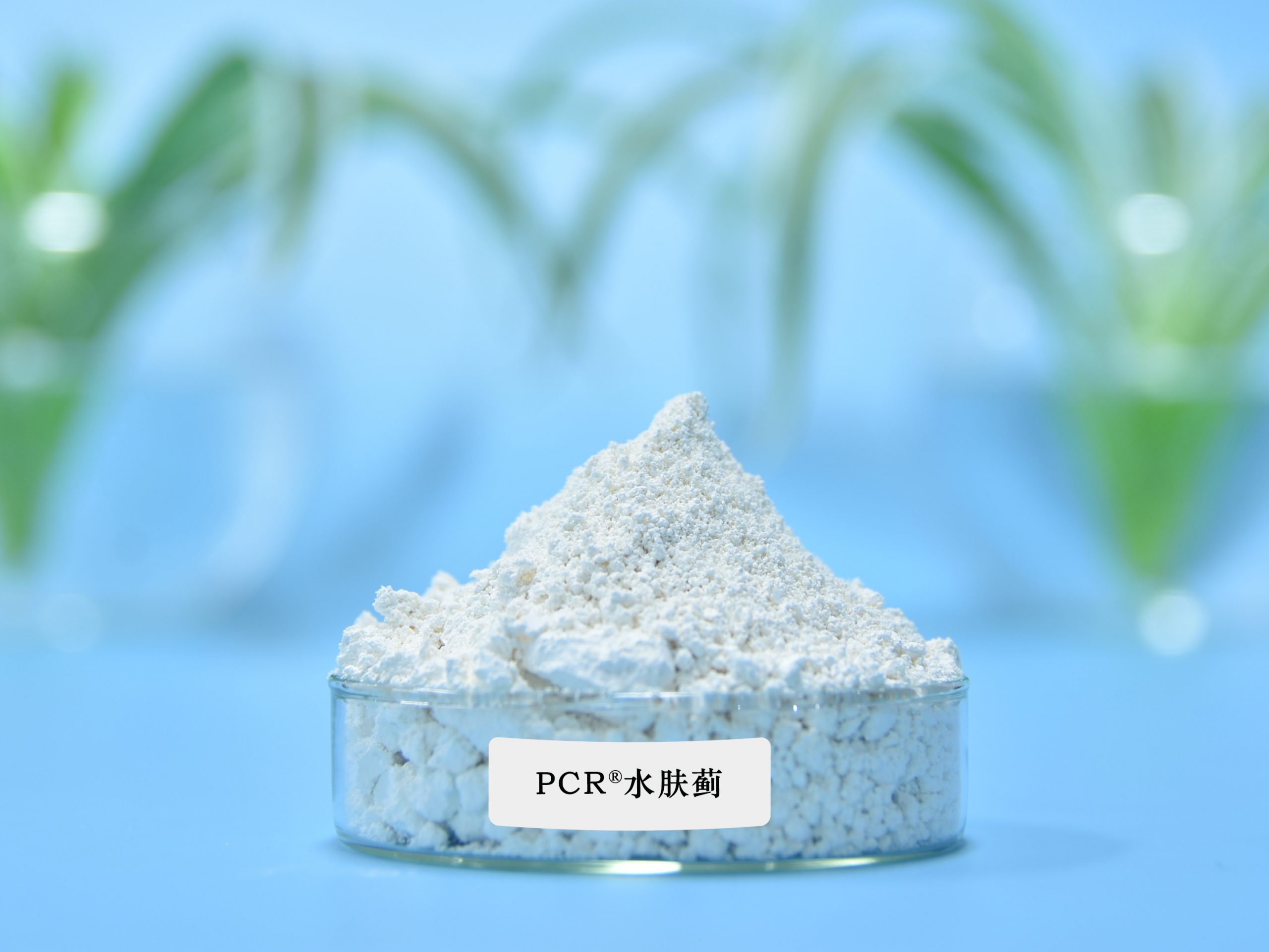
PMAnti-AGEs® Silibinin is a premium anti-aging active ingredient series developed by Plamed Green Science Group.
Derived from Milk Thistle (Silybum marianum) seeds, the products are standardized for highly purified Silibinin and designed to target the fundamental mechanisms of skin aging through:
Unlike conventional antioxidant ingredients, PMAnti-AGEs® Silibinin focuses on extracellular matrix (ECM) remodeling, addressing the root causes of skin aging.
PMAnti-AGEs® Silibinin is a next-generation natural anti-aging active ingredient series developed by Plamed Green Science Group.
Derived from natural Milk Thistle (Silybum marianum) seeds, the product is obtained through advanced extraction and purification technologies to deliver a high concentration of Silibinin (Silibinin A+B).
As the most biologically active constituent of silymarin, Silibinin accounts for approximately 50–70% of the overall activity and demonstrates outstanding performance in antioxidant protection, anti-glycation, collagen preservation, and skin rejuvenation.
Unlike conventional anti-aging strategies that rely primarily on antioxidant activity, PMAnti-AGEs® Silibinin focuses on:
Maintaining ECM (Extracellular Matrix) Homeostasis
By stimulating collagen regeneration, strengthening the elastic fiber network, inhibiting AGE formation, and reducing MMP activity, PMAnti-AGEs® Silibinin helps improve visible signs of aging at the structural level of the skin.
| Item | Specification |
|---|---|
| INCI Name | Silymarin |
| Standardization | Silymarin ≥95% |
| Silibinin Content | Silibinin A+B ≥80% |
| Appearance | Light yellow to pale brown powder |
| Product Features | Retains the natural phytochemical profile and plant-derived bioactivity |
| Recommended Applications | Anti-wrinkle, firming, anti-glycation, photoaging care |
| Item | Specification |
|---|---|
| INCI Name | Silymarin |
| Standardization | Silibinin A+B ≥98% |
| Appearance | White to off-white powder |
| Product Features | Ultra-high purity active with stable and predictable efficacy |
| Recommended Applications | Premium anti-aging serums, aesthetic skincare, functional skincare formulations |
| Item | Description |
|---|---|
| Common Name | Milk Thistle |
| Botanical Name | Silybum marianum (L.) Gaertn. |
| Family | Asteraceae |
| Plant Part Used | Mature Seeds |
| Native Region | Europe and the Mediterranean Region |
| Active Compound Class | Flavonolignan Complex |
| Key Active Constituent | Silibinin |
| Component | Typical Content |
|---|---|
| Silibinin | 50–70% |
| Silychristin | ~20% |
| Silydianin | ~10% |
| Isosilybin | ~5% |
Studies have demonstrated that Silibinin is the most important bioactive component within the silymarin complex. It exhibits stronger antioxidant, anti-inflammatory, TNF-α inhibitory, and ROS-scavenging activities than other related flavonolignans.
The extracellular matrix (ECM) serves as the fundamental structural framework responsible for maintaining youthful skin.
The ECM is primarily composed of:
With aging, continuous ECM degradation gradually leads to:
PMAnti-AGEs® Silibinin helps restore youthful skin architecture by promoting the regeneration of key ECM components.
Matrix metalloproteinases (MMPs) are major enzymes responsible for collagen degradation.
Research has shown that Silibinin significantly suppresses MMP-1 expression, thereby:
Advanced Glycation End Products (AGEs) contribute to:
These changes accelerate visible skin aging.
Silibinin has been shown to:
As a result, it helps maintain a healthy and functional ECM network.
Ultraviolet radiation and environmental pollution induce excessive production of reactive oxygen species (ROS).
Elevated ROS levels can cause:
Studies indicate that Silibinin significantly reduces intracellular ROS levels, helping protect the skin against oxidative stress-induced damage.
PMAnti-AGEs® Silibinin promotes the regeneration of 11 critical ECM biomarkers.
Together, these components create a comprehensive:
“Collagen – Elasticity – Hydration” Three-Dimensional Rejuvenation Network
By reinforcing the skin’s structural support system, PMAnti-AGEs® Silibinin helps improve:
Significantly reduces AGEs (CML) accumulation.
Helps minimize:
Promotes hyaluronic acid synthesis, resulting in improved:
Provides protection against:
Helping reduce collagen loss associated with photoaging.
Most commercial products are standardized only as:
Silymarin
Plamed further standardizes its products to:
Silibinin A+B
This ensures greater transparency, consistency, and efficacy predictability.
Unlike conventional anti-aging approaches centered on:
Plamed introduces the concept of:
ECM Homeostasis
Addressing skin aging at its structural and biological root.
Beyond literature support, PMAnti-AGEs® Silibinin has been validated through:
Providing a complete efficacy verification framework.
Aligned with global trends toward:
Making it an ideal active ingredient for modern skincare formulations.
Anti-Wrinkle Serums
Firming Anti-Aging Creams
Anti-Glycation Skincare Products
Eye Care Formulations
Post-Aesthetic Treatment Products
Photoaging Repair Products
Premium Facial Masks
Collagen Regeneration Skincare Concepts
| Product | Recommended Use Level |
|---|---|
| PMAnti-AGEs® Silibinin 80 | 0.02% – 0.20% |
| PMAnti-AGEs® Silibinin 98 | 0.01% – 0.10% |
| Biomarker | Improvement Rate |
|---|---|
| Collagen XVII | +355.56% |
| Collagen III | +340.00% |
| HABP | +317.39% |
| Fibrillin-1 | +307.69% |
| Collagen I | +290.91% |
| Collagen IV | +257.89% |
| Elastin | +230.30% |
These results demonstrate significant enhancement across multiple ECM dimensions, including collagen regeneration, basement membrane repair, elastic fiber formation, and hyaluronic acid synthesis.
| Indicator | Inhibition Rate |
|---|---|
| AGEs (CML) at 0.05% | 73.89% |
| AGEs (CML) at 0.2% | 82.60% |
The data demonstrate strong anti-glycation efficacy, effectively suppressing AGE accumulation and helping preserve the structural integrity of collagen and elastin within the extracellular matrix.
A: Currently, our quality control and Certificate of Analysis (COA) monitor the combined total content of Silybin A + B, without strict restrictions on the individual ratios of A and B (as commercial reference standards in the industry are mostly mixed standards). Once individual standard samples for A and B are procured, we will test multiple batches to monitor stability and consider incorporating finer internal control standards based on client feedback.
A: Tracking data demonstrates that the ratio between Silybin A and B fluctuates negligibly with seasonal changes and remains stable overall, thereby posing no adverse impact on the final skincare efficacy.
A: Both specifications of PMAnti-AGEs® Silibinin are water-insoluble. Based on our reference tests with a high-purity (98%) benchmark on the market, it can achieve a clear 1% solubility in propanediol and butanediol, which formulators can use as a processing reference during sample preparation.
A: For cell-based assays, we first completely dissolved PMAnti-AGEs® Silibinin using Dimethyl Sulfoxide (DMSO) to prepare a highly concentrated stock solution, which was subsequently diluted with the cell culture medium to the final test concentrations of 0.05% and 0.2%.
A: According to authoritative literature data, silymarin fundamentally maintains excellent physicochemical stability under temperatures below 80°C. Plamed is currently arranging further laboratory testing to monitor high-temperature discoloration and content stability.
A: This is a normal processing occurrence. These trace black particles are primarily caused by slight uneven heating and mild carbonization during the industrial spray-drying process. It is a physical phenomenon that is difficult to completely avoid in natural high-purity plant extraction processes and typically does not affect the core efficacy.
A: Given that silymarin has extremely low solubility in water, a certain risk of precipitation does exist. In actual formulation production, many insoluble materials exist stably in a “dispersed state.” It is recommended to thoroughly disperse Silymarin in polyols (e.g., pentanediol, recommended ratio 1:10) until uniform, and then introduce it into the pre-emulsified emulsion batch under thorough stirring. Tests show that at typical dosages of 0.2% to 0.5%, the cream formula remains highly uniform with no visible precipitation.
A: Regarding Odor: Lower-purity silymarin does carry a characteristic botanical odor, whereas the higher-purity specification (e.g., 98%) has an extremely faint smell. Since Silymarin is highly effective at low dosages, its addition level is typically low, making the odor easy to mask with fragrances or base ingredients.
Regarding Stability: When dispersed in cream or lotion configured with polymers or thickeners, its dispersed phase remains highly stable and will not trigger visible separation or stability issues.
A: This is a differentiated commercial strategy. While the 98% ultra-high purity silymarin indeed exhibits better anti-discoloration and physicochemical stability, conducting a full suite of efficacy tests directly on a generic 98% specification would make the public data easily exploitable by competitors. Therefore, we chose the cost-effective 80% specification to back our current data set, while reserving the 98% specification as a premium starting material to develop our proprietary second-generation Silymarin ingredient, which will be fully backed by its own exclusive efficacy portfolio.
Click the button to get the full product report.