
Palmitoyl Pentapeptide-4 | Collagen-Boosting Signal Peptide for Skin
A ≥98% pure palmitoyl pentapeptide-4 powder (CAS 214047-00-4) that signals fibroblasts to synthesize new collagen — a signal peptide raw material from a cosmetic peptide manufacturer for anti-wrinkle and firming formulas.
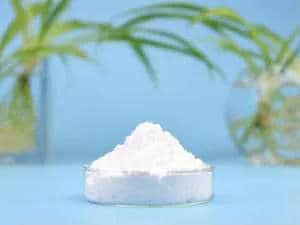
Palmitoyl Pentapeptide-4
A classic collagen-boosting signal peptide that helps promote collagen synthesis, improve the look of fine lines and support firmer, more resilient skin.
Plamed supplies a high-activity pure powder grade of Palmitoyl Pentapeptide-4, with higher active peptide content and consistent quality, for premium anti-aging formulations.
At a glance
Item | Detail |
Product | Palmitoyl Pentapeptide-4 (signal peptide, KTTKS fragment) |
Product ID | PMKZ2801 |
INCI name | PALMITOYL PENTAPEPTIDE-4 |
Other names | Palmitoyl pentapeptide; pentapeptide-4; KTTKS palmitoylated peptide |
CAS number | 214047-00-4 |
Molecular formula | C₃₉H₇₅N₇O₁₀ |
Molecular weight | 802.05 g/mol |
Purity | ≥98.0% (HPLC) |
Measured peptide content | ≥91% (batch value; specification see Technical Data) |
Appearance | White to off-white powder |
Solubility | Soluble in 1,3-propanediol (PDO);easily incorporated below 45 °C |
Reference dosage | 0.01%–0.1% |
Minimal package | 10 g bottle |
MOQ | 10 g |
Storage | Sealed, 2–8 °C (no −20 °C cold chain required) |
Palmitoyl pentapeptide-4 (INCI: PALMITOYL PENTAPEPTIDE-4; CAS 214047-00-4) is the KTTKS signal peptide supplied by Plamed as a solvent-free powder with ≥98.0% HPLC purity and internal peptide content control ≥91%. Used at 0.01%–0.1%, it signals fibroblasts to build type I and III collagen.
Palmitoyl Pentapeptide-4 (INCI: PALMITOYL PENTAPEPTIDE-4; CAS 214047-00-4) is a classic signaling peptide composed of palmitic acid linked to a five-amino-acid sequence (KTTKS). It is widely recognized as a benchmark collagen-stimulating ingredient in the anti-aging industry, and the fragment it carries is derived from the C-terminal signal sequence of human type I collagen.
Why it is called a signal peptide. Rather than acting as a building block, palmitoyl pentapeptide-4 works as a messenger: it transmits a "synthesize new collagen" signal to dermal fibroblasts, upregulating the gene and protein expression of type I and III collagen, elastin, fibronectin and glycosaminoglycans, while supporting keratinocyte proliferation and a stronger skin barrier.How the palmitic acid chain helps. The palmitoyl group improves lipophilicity, helping the peptide reach the target cells in the epidermis-dermis interface — the design principle behind most modern cosmetic peptides, including this one.
Plamed powder-grade advantages. Plamed manufactures cosmetic-grade Palmitoyl Pentapeptide-4 by chemical peptide synthesis, delivering a solvent-free powder with ≥98.0% HPLC purity and measured active peptide content of ≥91%, extremely low levels of inactive impurities (acetic acid/water) and strong batch consistency.
Storage-friendly by design. The product requires storage at only 2–8 °C, eliminating the −20 °C ultra-low temperature cold chain and significantly reducing warehousing and transportation costs.
Where it fits. It is widely used in high-end anti-aging, wrinkle-reduction, firming-repair and barrier-strengthening cosmetics targeting fine lines, skin sagging, dehydration and photoaging-induced dullness.
How is palmitoyl pentapeptide-4 made? SPPS versus LPPS
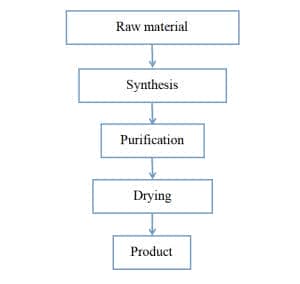
Palmitoyl pentapeptide-4 is produced by chemical peptide synthesis, which falls into two main routes: solid-phase peptide synthesis (SPPS) and liquid-phase peptide synthesis (LPPS). Through comprehensive process optimization, Plamed has achieved higher active peptide content, lower levels of inactive impurities and superior product stability, meeting the compliance, efficacy and cost-control requirements of high-end cosmetic ingredients.
SPPS vs LPPS at a glance
| Solid-phase peptide synthesis (SPPS) | Liquid-phase peptide synthesis (LPPS) |
Process | Raw materials — Synthesis — Purification — Drying — Packaging | Pure liquid-phase reaction system; multi-step amino acid coupling, deprotection, stepwise extraction and purification, then freeze-drying |
Advantages | High actual active content: purity ≥98% HPLC, measured peptide content ≥91%; low impurities (acetic acid, moisture) for greater stability; fully controlled process producing a solvent-free powder with no solvent dilution | Low raw-material cost; high flexibility for small-batch custom synthesis; well suited to short peptides and small-molecule fragments |
Limitations | Relatively high production cost; technically demanding | Complex synthesis; purity control is challenging; high scale-up cost |
How to read this table: for a short signal peptide like palmitoyl pentapeptide-4, the decisive buying factors are actual active peptide content and impurity profile, not the route label. Plamed's optimized process targets both, which is why every lot is released against the published specification with a batch COA.
TEST ITEMS | SPECIFICATION |
Purity & content |
|
Purity | ≥98.0% HPLC |
Peptide content | ≥80.0% HPLC |
Acetic acid content | ≤15.0% |
Organoleptic |
|
Appearance | Powder |
Color | White to off-white |
Odor | Characteristic |
Physical characteristics |
|
Water content | ≤8.0% |
Heavy metals |
|
Pb | ≤10 ppm |
As | ≤2 ppm |
Hg | ≤1 ppm |
Cd | ≤5 ppm |
Microbiological |
|
Total plate count | ≤1000 cfu/g |
Yeast & mold count | ≤100 cfu/g |
How to read this specification
Two numbers matter most for formulators: purity ≥98.0% (HPLC) confirms the chemical identity of the peptide fraction, while peptide content reflects the whole-sample share of active peptide (the remainder is mainly bound acetic acid and water from the synthesis and lyophilization process — hence the ≤15.0% acetic acid and ≤8.0% water limits). Plamed's measured batch value for peptide content is ≥91%, above the ≥80.0% release specification; a batch-specific COA is provided with every order.
Plamed produces palmitoyl pentapeptide-4 powder through a controlled four-stage process:
1. Raw material — protected amino acid building blocks and palmitic acid derivatives are released against incoming specifications.
2. Synthesis — stepwise peptide coupling builds the KTTKS sequence and the palmitoyl group is attached, following the optimized liquid-phase route.
3. Purification — combined purification steps remove uncoupled fragments and process-related impurities; purity and peptide content are verified by HPLC.
Drying & product release — lyophilization yields a solvent-free white-to-off-white powder, which is packed in sealed pharmaceutical bottles and released only after COA verification of purity, peptide content, heavy metals and microbiological limits.
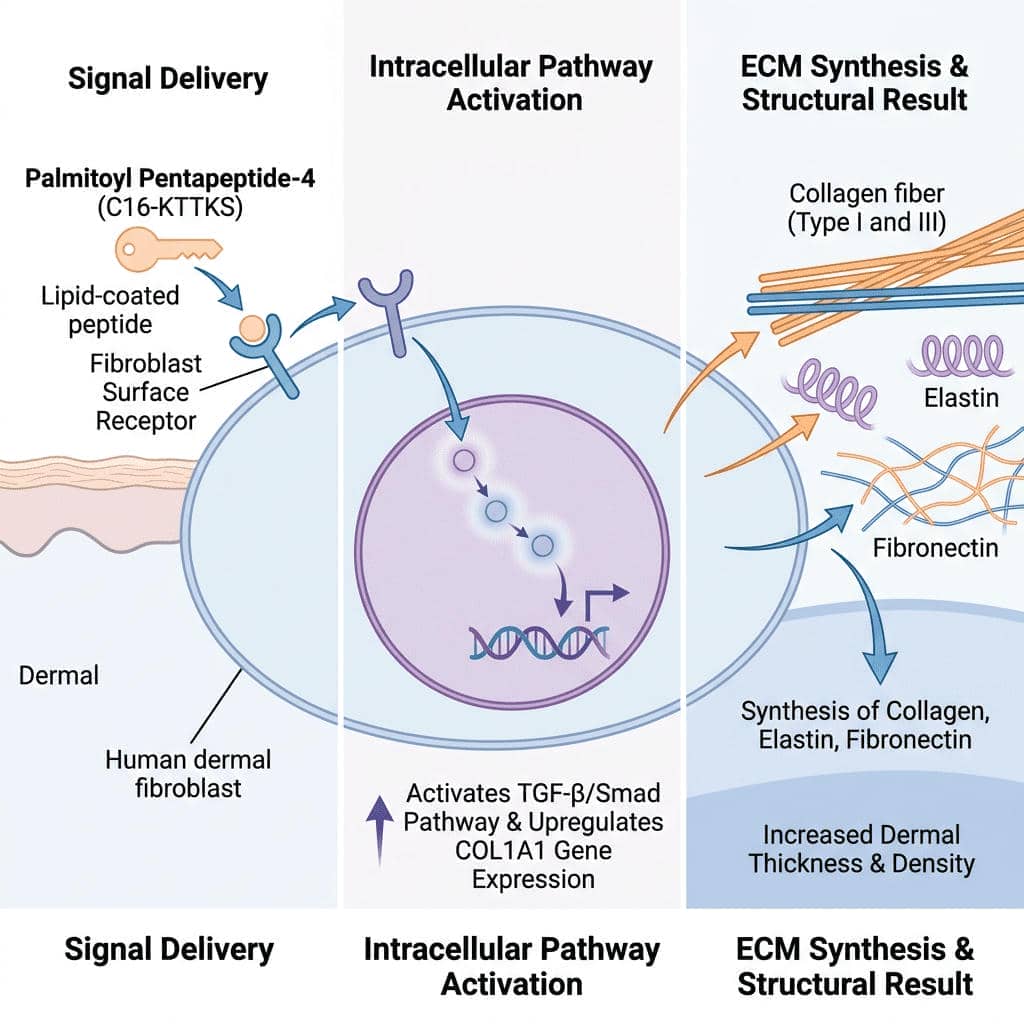
Stimulates collagen synthesis to reduce wrinkles at the source
Palmitoyl pentapeptide-4 is a classic signaling peptide whose core sequence (KTTKS) mimics the C-terminal signal fragment released when human skin type I collagen is hydrolyzed. Its active form, C16-KTTKS, has been shown in vitro to stimulate human dermal fibroblasts to produce collagen; gene-expression studies show upregulation of type I collagen (COL1A1). Via collagen-synthesis pathways such as TGF-β/Smad, it promotes synthesis and secretion of extracellular matrix components — type I and III collagen, elastin and fibronectin — increasing dermal thickness and density, filling fine lines and dry lines, and improving firmness and elasticity.
Helps protect against photoaging
UV-induced photoaging is a key external driver of collagen degradation, wrinkles and skin laxity. In UVB-exposed animal models, studies using palmitoyl pentapeptide-4 as a positive control found it effectively protects the skin. Its mechanism is associated with inhibiting UV-induced overexpression of matrix metalloproteinases (MMP-1, MMP-3), thereby reducing collagen and elastin degradation, and with scavenging excess reactive oxygen species (ROS) to alleviate oxidative damage.
Long-lasting hydration from within
Beyond structural proteins, palmitoyl pentapeptide-4 supports the skin's own moisture-retention machinery: studies show it promotes hyaluronan synthase (HAS1) gene expression in human dermal fibroblasts. Hyaluronic acid and glycosaminoglycans are the dermis's key water-binding components, so promoting their synthesis increases skin hydration from within — a dual effect combined with barrier repair and reduced transepidermal water loss.
Supports barrier strength and skin regeneration
Its tissue-regeneration potential is demonstrated in wound-healing models: animal studies comparing ointments and patches containing palmitoyl pentapeptide-4 showed both significantly accelerated wound closure, improved collagen density, and promoted angiogenesis and epithelial regeneration.
Why formulators pair it with other actives:
As one of the most studied signal peptides, palmitoyl pentapeptide-4 is a common backbone of multi-peptide anti-aging serums and is frequently listed among proven anti-aging ingredients to look for in firming eye creams, wrinkle serums and barrier-repair moisturizers. At 0.01–0.1% use level it layers well with humectants (e.g. hyaluronic acid), niacinamide and barrier lipids such as ceramides.
Palmitoyl Pentapeptide-4 delivers significant collagen-boosting effects even at low concentrations and is widely used across skincare formats — including high-end anti-aging and wrinkle-reducing serums and creams, firming eye creams, gentle anti-aging products for sensitive skin, post-aesthetic-treatment care, sunscreens and serums targeting photoaging, and moisturizing, firming lotions and masks.
Application scenarios
Product type | Positioning with Palmitoyl Pentapeptide-4 |
Anti-wrinkle serums & creams | Backbone signal peptide in multi-peptide anti-aging formulas; targets fine lines and firmness |
Eye creams & eye masks | Firming eye area; supports collagen density in thin, wrinkle-prone skin |
Sensitive-skin anti-aging | Non-irritating signal-peptide approach for gentle anti-wrinkle positioning |
Post-procedure care | Supports barrier recovery and collagen renewal after aesthetic treatments |
Sunscreens / day care | Adjunct against photoaging by reducing UV-triggered collagen degradation signals |
Moisturizing lotions & masks | Combines firming with long-lasting hydration via GAG/HAS support |
Reference dosage & handling notes
Product and specification | Reference dosage |
Palmitoyl Pentapeptide-4 (purity ≥98.0%) | 0.01%–0.1% |
Notes:
Not recommended for use with strong acids, strong bases, strong oxidizing agents, acyl chlorides or acid anhydrides.
Unopened material: store sealed at 2–8 °C (no −20 °C storage needed). Once opened, use up as soon as possible to avoid moisture absorption and microbial contamination.
Highly soluble; add directly at temperatures below 45 °C, preferably during the final stage of formulation.
In China, Palmitoyl Pentapeptide-4 is included in the IECIC — the List of Cosmetic Ingredients in Use in China (2021 Edition) administered by the National Medical Products Administration (NMPA).
In the United States, it is a recognized cosmetic ingredient listed by the Personal Care Products Council (PCPC, formerly CTFA). In the European Union, it can be notified through the Cosmetic Products Notification Portal (CPNP) under Cosmetic Regulation (EC) No 1223/2009.
The Japan Cosmetic Industry Association (JCIA) and Korea's Ministry of Food and Drug Safety (MFDS) both recognize palmitoyl pentapeptide-4 as a cosmetic ingredient; it is a classic peptide widely used by leading beauty brands in Japan, South Korea and the United States.
Multiple in-vitro and human clinical studies have confirmed that topical palmitoyl pentapeptide-4 is non-irritating to skin and eyes, non-sensitizing and non-phototoxic, with no toxic side effects at normal usage concentrations and no reported topical safety concerns since market launch.
Which ingredients combine with palmitoyl pentapeptide-4?
Palmitoyl pentapeptide-4 is the collagen-building half of most multi-peptide anti-aging systems. It is routinely paired with the anti-inflammatory peptide palmitoyl tetrapeptide-7, with palmitoyl tripeptide-1 for a longer collagen signal, and with acetyl hexapeptide-8 when a formula has to address both expression lines and static lines.
How much does palmitoyl pentapeptide-4 cost, and what is the MOQ?
Supply, packaging and samples
Item | Detail |
Product | Palmitoyl Pentapeptide-4 |
Product ID | PMKZ2801 |
INCI name | PALMITOYL PENTAPEPTIDE-4 |
Specification | Purity ≥98.0% (HPLC); measured peptide content ≥91% |
Form / solubility | Solvent-free powder; soluble in 1,3-propanediol (PDO); add below 45 °C |
Reference dosage | 0.01%–0.1% |
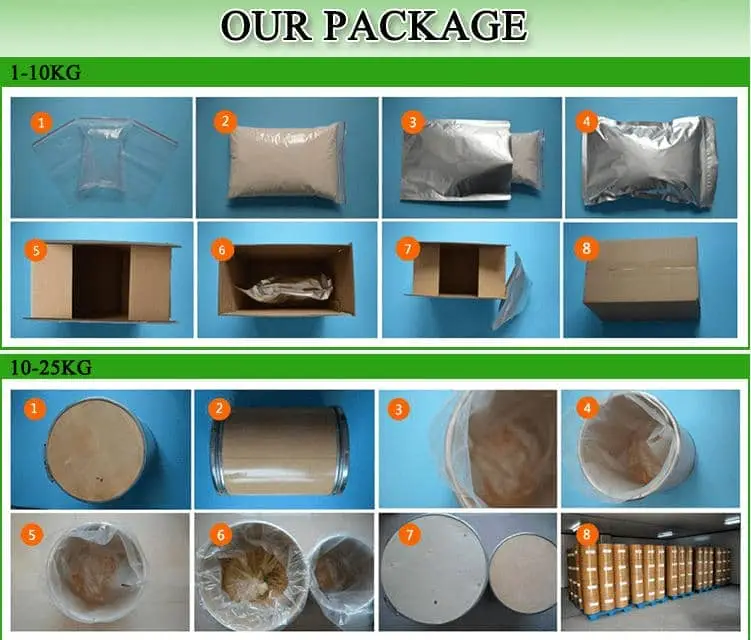
Minimal package | 10 g pharmaceutical bottle with built-in sterile aluminium-foil seal |
MOQ | 10 g |
Samples | Complimentary samples for laboratory evaluation and pilot trials |
Lead time | 3–5 working days after payment for standard items |
Storage | Sealed, 2–8 °C; no −20 °C ultra-low-temperature cold chain required; use up soon after opening |
What Palmitoyl Pentapeptide-4 Offers
Solvent-free powder — supplied undiluted (no solvent carrier), flexible for formulation and cost-effective, with no solvent interference.
High peptide content — internal control ≥91% (HPLC peptide content), above the common ≥80% industry specification, giving a higher concentration of genuine active ingredient.
Low impurities, greater stability — acetic acid and moisture significantly below industry norms; no irritating sour taste, minimal odor, resistant to degradation, longer shelf life.
Storage-friendly (2–8 °C) — no −20 °C ultra-low-temperature storage; reduces shipping costs by 30%–50%; more convenient to use.
Batch-released quality — purity, peptide content, heavy metals and microbiology released against one published specification, with a COA per lot.
Available Document of Palmitoyl Pentapeptide-4
Certificate of Analysis (COA)
Material Safety Data Sheet (MSDS)
Composition Statement
Certificate copies: ISO 9001:2015
Halal certification
Regulatory support dossier (EU / US MoCRA / MFDS)
To request a quote or a sample, contact Plamed Green Science Group here.
Palmitoyl Pentapeptide-4 Manufacturer and Wholesale Supplier
Plamed is a peptide manufacturer and cosmetic peptide supplier producing palmitoyl pentapeptide-4 powder (≥98% HPLC) for anti-wrinkle, firming and multi-peptide serum formulation. For brands, distributors and ingredient buyers sourcing cosmetic peptides wholesale, Plamed supplies lab-evaluation samples, batch COAs and formulation support, with low MOQ (from 10 g) for R&D trials and scalable volume for production.
Palmitoyl Pentapeptide-4 Pricing and Wholesale Supply
Palmitoyl pentapeptide-4 price depends on order volume, specification requirements, packaging and the documentation needed for the destination market. Whether you are evaluating peptide suppliers for a single trial batch or long-term wholesale purchasing, contact our sales team for a quotation matched to your volume and market.
Why Source Palmitoyl Pentapeptide-4 from Plamed?
Plamed's Palmitoyl Pentapeptide-4 features ≥98.0% purity (HPLC), measured peptide content of ≥91%, low acetic acid/moisture impurities and storage at 2–8 °C without cold-chain constraints. Batch-specific COA documentation supports regulatory filing and stability-oriented formulation work. As the manufacturer, we control synthesis, purification and release testing in-house, ensuring consistent quality from sample to bulk supply.
Q1: What is Palmitoyl Pentapeptide-4?
A: Palmitoyl Pentapeptide-4 (CAS 214047-00-4) is a signal peptide — palmitic acid attached to the five-amino-acid KTTKS sequence derived from the C-terminus of human type I collagen. It acts as a biological messenger that signals dermal fibroblasts to synthesize new collagen, making it a benchmark collagen-stimulating ingredient in anti-aging skin care.
Q2: Is Palmitoyl Pentapeptide-4 the same as Matrixyl®?
A: Palmitoyl Pentapeptide-4 is the INCI name of the peptide sequence originally commercialized under the Matrixyl® trademark by Sederma. "Matrixyl" is a third-party trademark; Plamed supplies the same INCI ingredient (PALMITOYL PENTAPEPTIDE-4) under our own product ID PMKZ2801. Formulation references built on the published research of this sequence apply to the INCI material itself.
Q3: What are the skin benefits of Palmitoyl Pentapeptide-4?
A: Its documented benefits for skin include: stimulating collagen synthesis (type I/III collagen, elastin, fibronectin upregulation via TGF-β/Smad-related pathways), reducing fine lines and wrinkles by increasing dermal thickness and density, supporting photoaging protection by inhibiting UV-induced MMP-1/MMP-3, promoting HAS1-mediated endogenous hydration, and supporting barrier repair and regeneration.
Q4: Is Palmitoyl Pentapeptide-4 safe for sensitive skin?
A: Multiple in-vitro and human clinical studies report it is non-irritating to skin and eyes, non-sensitizing and non-phototoxic at normal use levels, which supports its use in gentle, sensitive-skin-oriented anti-aging products.
Q5: What form does Plamed's Palmitoyl Pentapeptide-4 come in, and how soluble is it?
A: We supply a solvent-free powder — no solvent dilution, so you dose the exact active content in your formula. The powder is readily incorporated into cosmetic formulations at temperatures below 45 °C, preferably added at the final stage. For solvent compatibility details, request our TDS.
Q6: How stable is Palmitoyl Pentapeptide-4, and how should it be stored?
A: Peptide stability is a common formulation concern; Plamed's grade is engineered for it: extremely low acetic acid and moisture impurities, resistance to degradation and a longer shelf life. Unopened material stores sealed at 2–8 °C — no −20 °C ultra-low-temperature cold chain required. Once opened, use up as soon as possible.
Q7: What is the recommended dosage in skin care formulations?
A: The reference dosage is 0.01%–0.1% for Palmitoyl Pentapeptide-4 with purity ≥98.0%. Avoid combining the raw material directly with strong acids, strong bases, strong oxidizing agents, acyl chlorides or acid anhydrides.
Q8: What is the MOQ? Can we get samples first?
A: Yes — the MOQ is 10 g, and we provide complimentary samples for laboratory evaluation and pilot trials before you commit to production volumes. Standard lead time is 3–5 working days after payment.
Q9: Which documents do you provide with the product?
A: Each order comes with a batch-specific COA. We also provide TDS, MSDS, Composition Statement, ISO 9001:2015 and Halal certificate copies, and a regulatory support dossier (EU / US MoCRA / MFDS) to facilitate your market registration.
Q10: Which product types is it suitable for?
A: Anti-wrinkle and firming serums and creams, multi-peptide anti-aging serums, eye creams and masks, sensitive-skin anti-aging lines, post-procedure care, photoaging-targeted day care, and moisturizing lotions and masks — anywhere a collagen-boosting signal peptide is the formulation backbone.