
Ferulic Acid | Natural & Synthetic Grades 99%
Plamed supplies ferulic acid (4-hydroxy-3-methoxycinnamic acid; INCI: FERULIC ACID, CAS 1135-24-6, C10H10O4, 194.19 g/mol) at 99% in two grades — a natural grade extracted from rice bran and a synthetic grade.
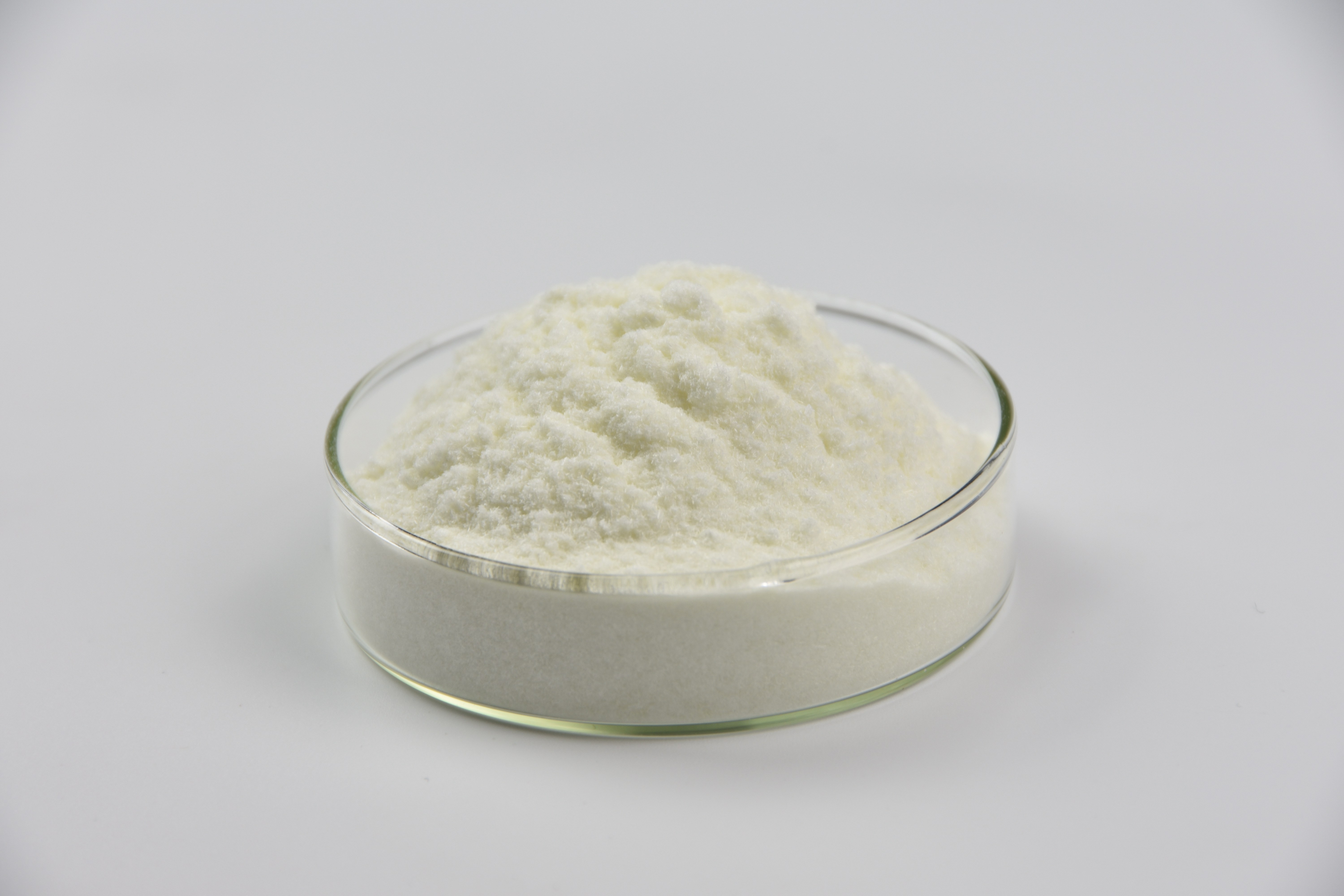
Ferulic Acid
Ferulic acid is a naturally occurring phenolic acid — 4-hydroxy-3-methoxycinnamic acid — found in many plants, and it is one of the most widely used antioxidant actives in cosmetics. Plamed supplies it at 99% in two grades: a natural grade extracted from rice bran, and a synthetic grade produced by chemical synthesis for cost-driven formulations. Both are cosmetic-grade raw materials.
In a formula, ferulic acid does two jobs at once. As an antioxidant it scavenges free radicals and helps protect the skin from the oxidative stress associated with everyday exposure, which is why it appears in products positioned against dullness and for photoprotection. As a partner active it improves the stability of vitamin C and vitamin E — a combination widely used in antioxidant serums — and Plamed's grade is described as having good solubility with a clear, transparent solution, so it drops into water-based and water-ethanol systems without hazing.
What is ferulic acid?(H2)
Attribute | Value |
Product name | Ferulic Acid (FA) |
Chemical name | 4-hydroxy-3-methoxycinnamic acid |
INCI name | FERULIC ACID |
CAS number | 1135-24-6 |
Molecular formula / weight | C10H10O4 / 194.19 g/mol |
Grades | Natural source 99%(rice bran) / Synthesis 99% |
Assay | ≥99% (HPLC, natural grade) |
Appearance | White or off-white powder(natural); white to yellowish needle-shaped crystal(synthetic) |
Solubility | Water & ethanol; good solubility, clear transparent solution |
Stable pH range | 2.62–5.10 |
UV absorption range | 290–350 nm |
Reference dosage | 0.3%–2.0% |
Product ID | PMFS0301 |
Minimal package / MOQ | 1 kg |
Ferulic acid (4-hydroxy-3-methoxycinnamic acid, CAS 1135-24-6, C10H10O4, 194.19 g/mol) is a cinnamic acid derivative and a phenolic acid found in many plants. Plamed Green Science Group supplies it as a cosmetic-grade raw material at 99% in two grades: a natural grade extracted from rice bran, and a synthetic grade produced by condensation from vanillin and malonic acid. Both are standardized to the same 99% assay.
In short: ferulic acid is a plant phenolic acid used in cosmetics as an antioxidant, a tyrosinase inhibitor and a UV absorber at 290–350 nm, dosed at 0.3%–2.0% — supplied by Plamed in a rice-bran-derived natural grade and a lower-cost synthetic grade, both at 99%.
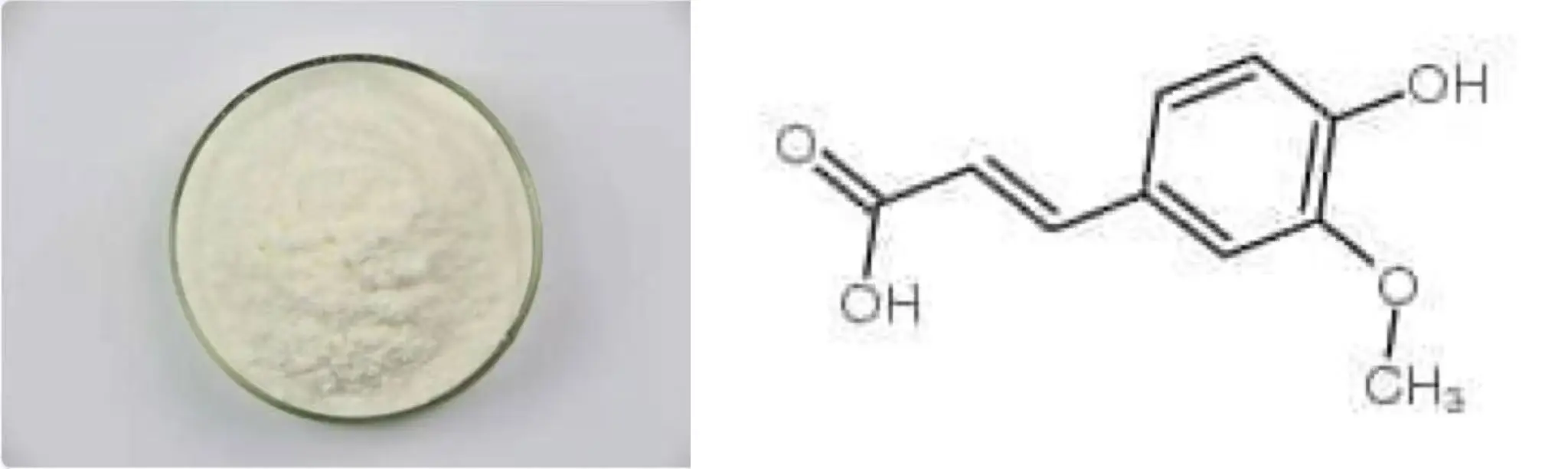
What ferulic acid is(H3):
Ferulic acid is a phenolic acid belonging to the cinnamic acid family. Its structure — a phenolic ring carrying a hydroxyl and a methoxy group, linked to a conjugated side chain (C10H10O4, 194.19 g/mol) — is what gives it both its antioxidant behaviour and its UV absorption. It occurs naturally in plant cell walls and is widely distributed across plant species.
How ferulic acid works(H3):
Ferulic acid works through three mechanisms. As a phenolic antioxidant, its conjugated system lets it form a relatively stable radical, which stops the free-radical chain transfer in lipid auto-oxidation. It also promotes the production of the body's own radical-scavenging systems. Separately, it inhibits tyrosinase, the enzyme at the start of melanin synthesis, and it absorbs UV in the 290–350 nm range, which is why it is used as a light stabiliser in sun-protection products.
Where ferulic acid fits(H3):
Ferulic acid fits antioxidant serums, brightening creams and lotions, toners and masks, and day products positioned for photoprotection. It is a water-and-ethanol-soluble powder, so it fits water-based and water-ethanol systems.
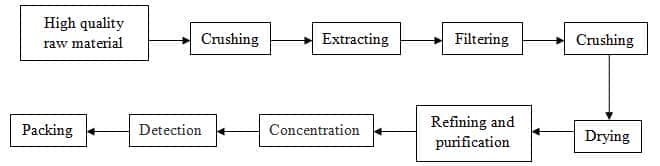
Where ferulic acid comes from and how it is made:(H3)
Ferulic acid comes from two routes, and Plamed runs both:
| Natural source | Chemical synthetic source |
Raw material | Rice bran | Vanillin and malonic acid |
Specific process | Hydrolyse oryzanol (the alcohol extract of rice bran) with sodium hydroxide or potassium hydroxide at 90–100 °C for 8 h, then add sulfuric acid to bring the pH to acidic; ferulic acid precipitates. | Use anhydrous pyridine as solvent and piperidine as catalyst; ferulic acid is obtained by condensation. |
Advantage | The product obtained is ferulic acid of high purity. The process is simple, the raw material is easy to source, and the overall benefit is high. | Raw materials are readily available; less expensive than natural sources. |
Disadvantage | — | The product is a mixture of cis- and trans-ferulic acid. Reaction time is long (up to three weeks), solvent consumption is large, and yield is low. |
The full manufacturing flow chart for both routes is shown below.
What are the ferulic acid specifications?
Natural grade(rice bran)
Group | Item | Specification |
A · Identity | Assay | ≥99% HPLC |
| Appearance | White or off-white powder |
| Odour | Characteristic |
B · Physical | Moisture | ≤0.5% |
| Melting point | 170.0 °C–174.0 °C |
C · Origin & residue | Extract solvent | Water & ethanol |
| Solvent residue | Ethanol ≤1000 ppm |
| Natural degree, C13 test | −33 ~ −36 |
| Natural degree, C14/12 test | 12–16 |
Synthesis grade
Group | Item | Specification |
A · Identity | Assay | ≥99% |
| Appearance | White or yellowish needle-shaped crystal |
B · Physical | Melting point | 172.0 °C–175.0 °C |
| Moisture | ≤0.5% |
| Ash content | ≤0.1% |
C · Purity & limits | Heavy metals | ≤10 ppm |
| Unspecified impurities | ≤0.1% |
| Total impurities | ≤0.5% |
How to read the two specification sheets:
Assay is the same; the difference is everything else. Both grades are standardized to ≥99%, so assay does not separate them. What separates them is appearance (powder vs needle-shaped crystal), melting range, and — most importantly — the origin and impurity profile.
Natural grade: origin is the specification. The C13 and C14/12 natural-degree tests are what let a buyer prove the rice-bran origin rather than take it on trust. If your product claim depends on natural origin, this is the grade and these two rows are the evidence.
Synthesis grade: impurities are the specification. Total impurities ≤0.5%, unspecified impurities ≤0.1%, heavy metals ≤10 ppm, ash ≤0.1%. If your product claim does not depend on natural origin and cost is the driver, this grade gives the same 99% assay on a tighter impurity-limit sheet.
Both grades: moisture ≤0.5%. For a phenolic acid, residual moisture drives degradation in the drum; it is the number to watch alongside assay.
What does ferulic acid do for skin?
Ferulic acid is used in cosmetics for three things: antioxidant activity, a more even-looking skin tone, and UV absorption. What does ferulic acid do for skin in practice — it works at the chemistry level rather than the cell-signalling level: it quenches free radicals, it inhibits one specific enzyme, and it absorbs a specific band of UV. All three are properties of the molecule itself.
Ferulic acid as an antioxidant:
Ferulic acid is a phenolic antioxidant. Its conjugated system lets it form a relatively stable radical, which is what stops the free-radical chain transfer in the auto-oxidation of lipids. It also promotes the production of radical-scavenging systems including glutathione and NADP. Measured half-elimination and inhibition figures for DPPH, hydroxyl and superoxide radicals, and for lipid peroxidation, are listed in the study data section below.
Ferulic acid, vitamin C and vitamin E:
When ferulic acid is combined with vitamin C and vitamin E, it increases the stability of both, and the combination is reported to roughly double the antioxidant capacity of the pair. This is why the three-actives combination is standard in antioxidant serums: ferulic acid is doing stabilization work, not just adding its own activity.
Ferulic acid for brighter, more even-looking skin:
Ferulic acid inhibits tyrosinase, the enzyme that catalyses the first steps of melanin synthesis. In the data Plamed reports, the tyrosinase inhibition rate reaches 53.9% at 0.5 mmol/L in the paired in vitro test. In a finished product that shows up as a more even-looking tone over successive use cycles.
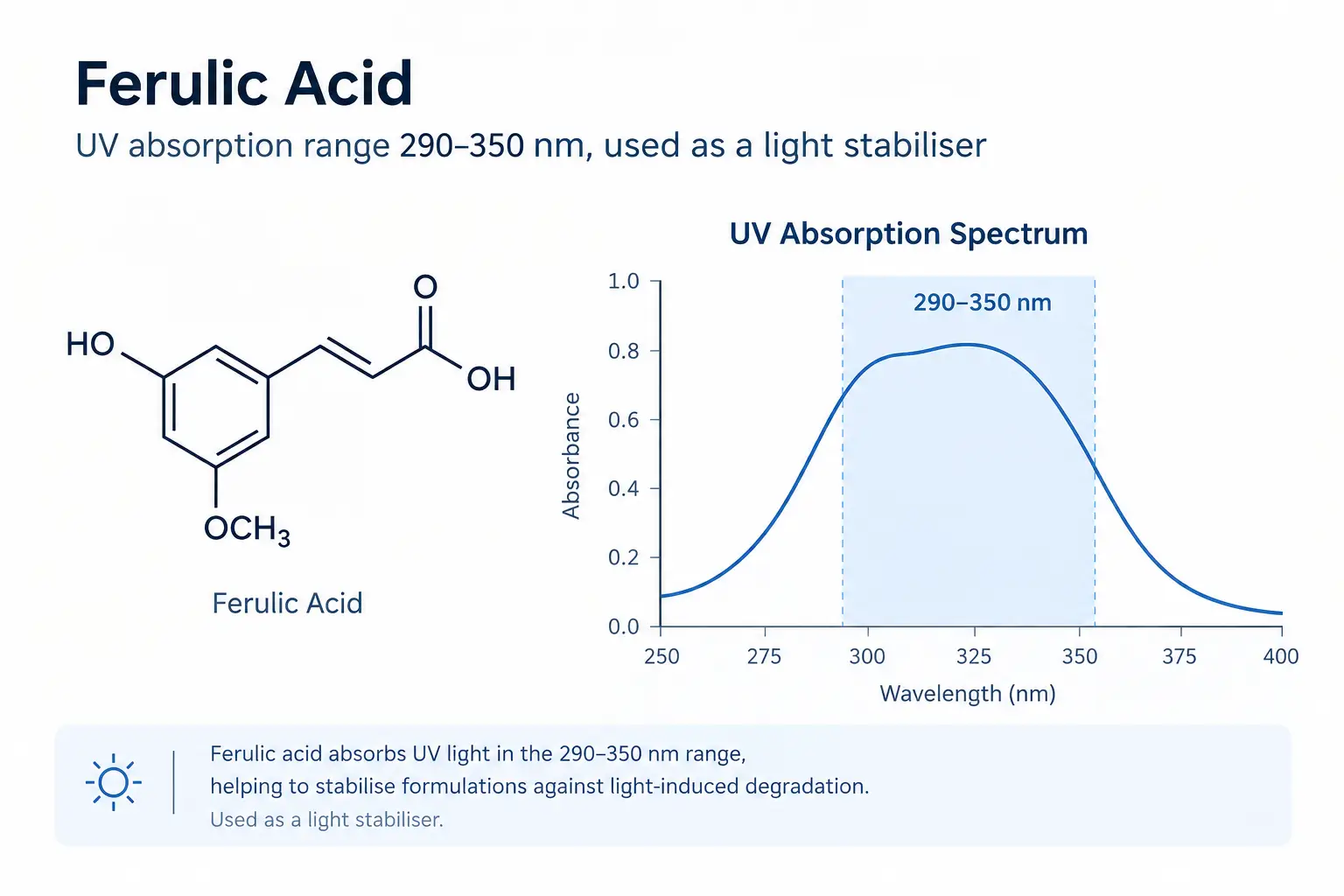
Ferulic acid and UV absorption:
Ferulic acid absorbs ultraviolet radiation in the 290–350 nm range, which is why it is used as a light stabiliser in sun-protection products. This is a physical property of the molecule — it absorbs in the UVB band — and it is the reason ferulic acid appears in day creams and sunscreens alongside dedicated UV filters, not instead of them.
Is ferulic acid suitable for sensitive skin?
Ferulic acid is stable in the pH range 2.62–5.10, which covers the mildly acidic range most leave-on skin care is formulated at, so it can be used without pushing a formula to a strongly acidic pH. It is dosed at 0.3%–2.0%. As with any active, tolerance of the finished formula should be confirmed in the product's own assessment.
What does the in vitro data on ferulic acid show?
Test item | Concentration | Result |
Elimination of DPPH free radicals | — | Half elimination quantity EC50: 0.226 mg/mL |
Elimination of superoxide free radicals | — | Half elimination quantity EC50: 0.530 mg/mL |
Elimination of hydroxyl radicals | — | Half elimination quantity EC50: 0.283 mg/mL |
Inhibition of lipid peroxidation | 12.5 mmol/L | Inhibition rate: 67.8% |
Promotion of collagen production (human dermal fibroblast culture) | 0.08% | Promotion rate: 716.7 (blank 100) |
Promotion of keratinocyte proliferation (cell culture) | 10 µg/mL | Promotion rate: 234 (blank 100) |
Inhibition of tyrosinase activity | 0.5 mmol/L | Inhibition rate: 53.9% |
Read the table this way. The first four rows are the antioxidant case: three radical-scavenging endpoints with reported EC50 values, plus 67.8% inhibition of lipid peroxidation at 12.5 mmol/L. The last three rows are the skin-relevance case: collagen production and keratinocyte proliferation in cell culture, and tyrosinase inhibition at 53.9% (0.5 mmol/L). Figures are as reported in the source test data and are in vitro results, not finished-product outcomes.
How stable is ferulic acid in formulas?
1. Keep the pH between 2.62 and 5.10. Ferulic acid has good stability in buffer solution at pH 2.62–5.10. As the environment becomes more alkaline, ferulic acid degrades and is deactivated, so the pH of a cosmetic containing ferulic acid should be controlled in that range.
2. Protect it from light. Ferulic acid has poor photo-stability: when exposed to light it is easily decomposed. Keep the ingredient away from light in storage, and consider opaque or amber packaging for the finished product.
3. Dissolve it before you add it. Plamed's ferulic acid is described as having good solubility, giving a clear and transparent solution, with water and ethanol as the processing solvents. Pre-dissolve the powder in the water–ethanol or glycol–water phase, then add it to the batch, and check the final pH after addition.
4. Pair it with vitamin C and vitamin E. Ferulic acid increases the stability of both vitamins in combination. If your formula already runs a C+E antioxidant system, ferulic acid is doing stability work for both.
Formulation takeaway: ferulic acid has two failure modes and both are controllable — alkaline pH degrades it, and light decomposes it. Set the finished pH inside 2.62–5.10, protect the ingredient and the finished pack from light, and pre-dissolve it in the water–ethanol phase. Do those three and the active survives to the end of shelf life.
How to dissolve ferulic acid powder
Ferulic acid powder from Plamed is processed with water and ethanol as the solvent system and is described as giving a clear, transparent solution. In practice: pre-dissolve the weighed powder in the water–ethanol portion of the water phase, or in a glycol–water pre-mix, before it meets the rest of the batch. Add it below the point where the formula is held hot, and re-check the pH after addition — the 2.62–5.10 window is where it stays stable.
Where is ferulic acid used in skin care?
Ferulic acid is used at a reference dosage of 0.3%–2.0% in leave-on cosmetics, including brightening and antioxidant formats:
Product format | Reference dosage |
Antioxidant serum / essence | 0.5%–2.0% |
Brightening cream / lotion | 0.3%–1.0% |
Toner | 0.3%–1.0% |
Mask / essence pads | 0.3%–1.0% |
Day cream / sunscreen (as light stabiliser) | 0.5%–2.0% |
Two formulation notes. First, pH: keep the finished product inside the 2.62–5.10 window — ferulic acid degrades as the environment becomes alkaline. Second, light: ferulic acid has poor photo-stability, so protect both the ingredient and the finished pack from light.
What ferulic acid is combined with:
· With vitamin C — ferulic acid increases the stability of vitamin C in combination. Pair it with a stable vitamin C derivative such as ethyl ascorbic acid for an antioxidant system that survives shelf life.
· With vitamin E — the same stabilisation applies to tocopherol, which is why the C + E + ferulic acid combination is the standard antioxidant trio.
With arbutin — a tyrosinase inhibitor such as alpha or beta arbutin addresses tone at the enzyme step that ferulic acid also acts on, and the two are commonly specified together in brightening systems.
What reference formulas show how to use ferulic acid?
Formula 1 · Whitening emulsion
Ingredient | Content (%) |
Ferulic Acid | 0.50 |
Tocopherol (γ-tocopherol) | 0.05 |
BHT | 0.01 |
Glyceryl Stearate (monoglyceride) | 10.00 |
Butylparaben | 0.10 |
Paraffinum Liquidum (liquid paraffin) | 10.00 |
Propylene Glycol | 10.00 |
Mineral Oil | 4.00 |
Ceteth-20 (polyoxyethylene 20 cetyl ether) | 2.00 |
Cetyl Alcohol | 5.00 |
Water | Add to 100 (58.34) |
Formula 2 · Skin care gel
Ingredient | Content (%) |
Ferulic Acid | 0.50 |
Lecithin | 6.00 |
Butyrospermum Parkii (Shea) Butter | 3.00 |
Chrysin | 0.10 |
Retinyl Palmitate (vitamin A palmitate) | 0.20 |
Biotin (vitamin H) | 0.08 |
Sodium Citrate | 0.50 |
Glycerin | 0.20 |
Urea (carbamide) | 0.20 |
Hydrolyzed Collagen | 2.00 |
Xanthan Gum | 1.40 |
Sorbitol | 3.00 |
Preservative | q.s. |
Water | Add to 100 (82.82) |
Formula 3 · Skin care emulsion
Ingredient | Content (%) |
Ferulic Acid | 0.25 |
Paraffinum Liquidum (liquid paraffin) | 20.00 |
Paraffin | 4.00 |
Methyl Glucose Sesquistearate (glucose sesquistearate) | 2.00 |
Aluminium Stearate | 0.40 |
Naringin | 1.00 |
Tocopheryl Acetate (vitamin E acetate) | 2.00 |
Ascorbyl Palmitate | 0.10 |
Glycerin | 5.00 |
Preservative | q.s. |
Water | Add to 100 (65.25) |
Formula 4 · Skin care cream
Ingredient | Content (%) |
Ferulic Acid | 1.00 |
Squalane | 10.00 |
Isopropyl Myristate | 7.00 |
Docosanol (behenyl alcohol) | 1.00 |
Cetyl Alcohol | 5.50 |
Glyceryl Stearate (glycerin monostearate) | 2.00 |
Tocopherol (D-α-tocopherol) | 0.05 |
Polysorbate 60 (POE(20) sorbitan monostearate) | 2.00 |
Xanthan Gum | 0.10 |
1,3-Butanediol | 2.00 |
Glycerin | 3.00 |
Sorbitol | 5.00 |
Activator | 0.20 |
pH regulator | q.s. |
Water | Add to 100 (61.15) |
Is ferulic acid safe for cosmetics?(H2)
Ferulic acid is an established cosmetic ingredient across the major markets. Four points cover what a formulator needs to check:
China — ferulic acid is listed in the Inventory of Existing Cosmetic Ingredients in China (IECIC 2021), so it can be used in cosmetics placed on the Chinese market without a new-ingredient registration.
United States — ferulic acid is recognised as a cosmetic ingredient by the Personal Care Products Council (PCPC).
European Union — ferulic acid is included in the European Commission's CosIng inventory of cosmetic ingredients.
Japan — ferulic acid is used in cosmetics positioned for sun protection in Japan.
Where can I buy ferulic acid powder wholesale?
Product supply information:
Item | Value |
Product | Ferulic Acid (4-hydroxy-3-methoxycinnamic acid) |
Product ID | PMFS0301 |
INCI | FERULIC ACID |
CAS | 1135-24-6 |
Grades | Natural source 99%(rice bran) / Synthesis 99% |
Assay | ≥99% |
Form & solubility | Powder — natural grade white to off-white; synthetic grade white to yellowish needle-shaped crystal. Water & ethanol |
Reference dosage | 0.3%–2.0% |
Stable pH range | 2.62–5.10 |
Minimal package | 1 kg |
MOQ | 1 kg |
Samples | Available on request |
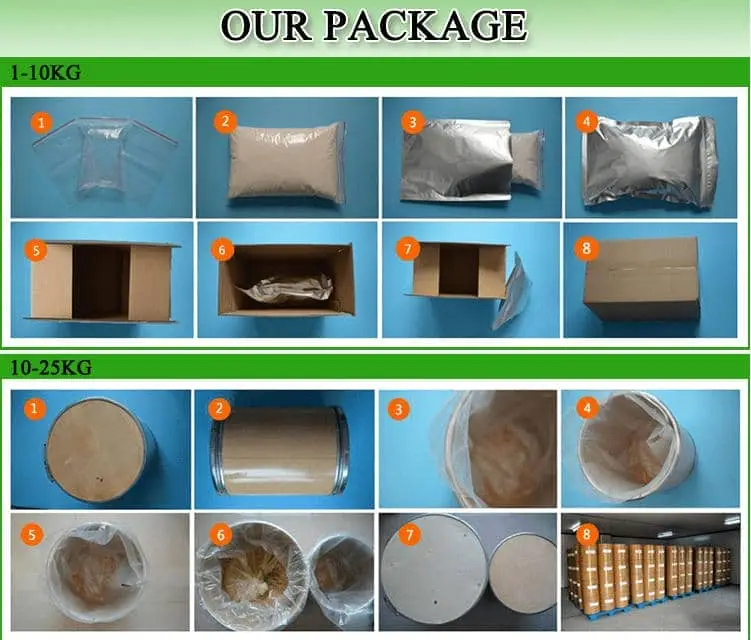
Package | 25 kg paper drums with two plastic bags inside |
Storage | Cool, dry place; away from direct sunlight and oxidising agents |
What Plamed offers:
Plamed supplies pure ferulic acid powder at 99% in two grades — a natural grade traced back to rice bran through C13 and C14/12 origin testing, and a synthetic grade for cost-driven formulas — from 1 kg upward, packed in 25 kg paper drums.
Available Document of Ferulic Acid
Technical Data Sheet (TDS — Natural Grades)
Technical Data Sheet (TDS — Synthetic Grades)
Certificate of Analysis (COA — Natural & Synthetic Grades)
Material Safety Data Sheet (MSDS)
Manufacturing Process Flowchart
Analytical / HPLC Test Method
Source of Origin Statement
NMPA Raw Material Safety Dossier(Attachment 14)
Product Brochure & Technical Introduction
To request a quote or a sample, contact Plamed Green Science Group here.
Ferulic acid manufacturer and wholesale supplier:
Plamed is a ferulic acid manufacturer and wholesale supplier based in Xi'an, China, producing both the natural rice-bran grade and the synthetic grade at 99%. Wholesale ferulic acid powder is available from 1 kg, with TDS, COA and MSDS attached per shipment.
Ferulic acid price and wholesale supply:
Ferulic acid price depends on grade (natural or synthetic), order volume and packaging. Wholesale pure ferulic acid powder is supplied from 1 kg in 25 kg paper drums; request a quote for current ferulic acid price and lead time.
Ferulic acid powder for sale — where to buy:
Ferulic acid powder for sale from Plamed is supplied to cosmetic manufacturers for making cosmetics, in both grades, at 99% purity. Where to buy ferulic acid powder: direct from the factory.
Why source ferulic acid from Plamed?
Because ferulic acid is supplied in two grades at the same 99% assay, and the choice between them is a real one: the natural grade carries rice-bran origin you can prove with C13 and C14/12 testing, while the synthetic grade carries the same assay on a cost-driven sheet. Plamed runs both routes, so the grade you specify is the grade you get.
Q1: What is ferulic acid?
A: Ferulic acid (4-hydroxy-3-methoxycinnamic acid, CAS 1135-24-6) is a cinnamic acid derivative and a phenolic acid found in many plants. It is supplied as a cosmetic-grade raw material at 99% in two grades: a natural grade extracted from rice bran and a synthetic grade made from vanillin and malonic acid.
Q2: What does ferulic acid do for skin?
A: Ferulic acid does three things in cosmetics: it scavenges free radicals as a phenolic antioxidant, it inhibits tyrosinase to support a more even-looking skin tone, and it absorbs UV in the 290–350 nm range. It is used at 0.3%–2.0% in serums, creams, toners and masks.
Q3: Is ferulic acid an antioxidant?
A: Yes. Ferulic acid is a phenolic antioxidant: its conjugated system forms a relatively stable radical, which stops the free-radical chain transfer in lipid auto-oxidation. Reported figures include EC50 values of 0.226 mg/mL (DPPH), 0.283 mg/mL (hydroxyl) and 0.530 mg/mL (superoxide), and 67.8% inhibition of lipid peroxidation at 12.5 mmol/L.
Q4: Does ferulic acid brighten skin?
A: Ferulic acid inhibits tyrosinase, the enzyme at the start of melanin synthesis, with a reported inhibition rate of 86% at 5 mmol/L and 53.9% at 0.5 mmol/L. In a finished product the effect is a more even-looking skin tone over successive use cycles rather than an overnight change.
Q5: Can I mix ferulic acid with vitamin C?
A: Yes — ferulic acid is commonly combined with vitamin C and vitamin E, and it increases the stability of both. The combination is reported to roughly double the antioxidant capacity of the pair, which is why the three-actives system is standard in antioxidant serums.
Q6: What pH does ferulic acid need in a formula?
A: Ferulic acid is stable at pH 2.62–5.10. As the environment becomes more alkaline it degrades and is deactivated, so the finished pH should be controlled inside that window.
Q7: How do you dissolve ferulic acid powder?
A: Ferulic acid powder is processed with water and ethanol as the solvent system and gives a clear, transparent solution. Pre-dissolve the weighed powder in the water–ethanol or glycol–water portion of the water phase before adding it to the batch, and re-check the pH after addition.
Q8: Is ferulic acid safe for cosmetics?
A: Ferulic acid is an established cosmetic ingredient: listed in IECIC 2021 for China, recognised by PCPC in the United States, and included in the EU CosIng inventory. It is used at 0.3%–2.0%. As with any active, the finished product needs its own safety assessment.
Q9: What is the difference between natural and synthetic ferulic acid?
A: Assay is the same at 99% or higher; origin and impurity profile are the difference. The natural grade is extracted from rice bran and carries C13 and C14/12 origin testing; the synthetic grade is made from vanillin and malonic acid, is less expensive, and is specified on impurity limits (total impurities ≤0.5%, heavy metals ≤10 ppm).
Q10: What is the MOQ, and where can I buy ferulic acid powder wholesale?
A: The MOQ is 1 kg, packed in 25 kg paper drums with two plastic bags inside. Wholesale ferulic acid powder is available direct from Plamed in both grades at 99%. Contact Plamed for a quote and samples.