
Ergothioneine | 99% Bio-Synthesized Antioxidant for Skin Protection
Ergothioneine (CAS 497-30-3) is a naturally occurring amino acid antioxidant produced by biosynthesis — a water-soluble, ≥99% HPLC powder that scavenges ROS, supports skin defense against photoaging and environmental stress, and pairs well with other actives.
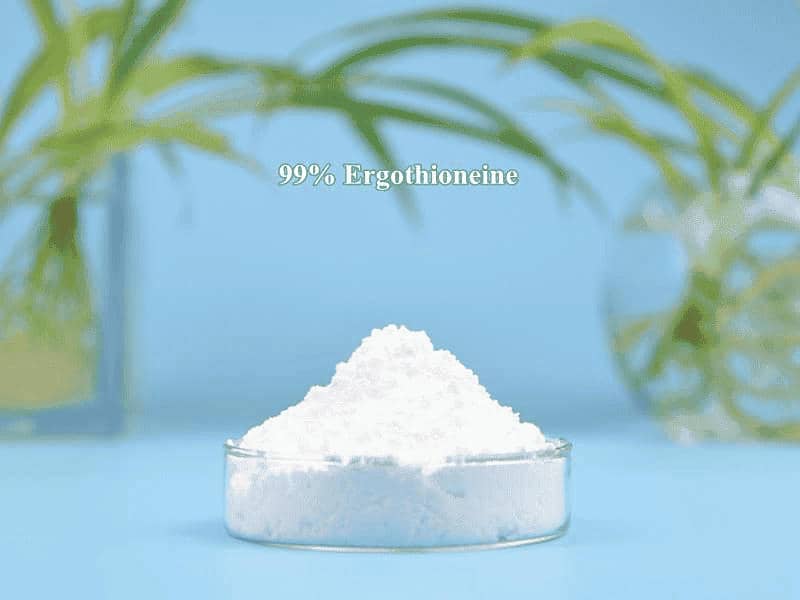
Ergothioneine
A naturally derived active with outstanding antioxidant capability. It helps reduce ROS-induced oxidative damage and supports the skin's defense against photoaging and environmental stress — widely used in anti-aging and skin-protection products.
Plamed produces Ergothioneine by biosynthesis, supplying a 98% grade powder (purity ≥99% HPLC)that combines consistent quality, low impurities and good formulation compatibility.
At a glance
Item | Detail |
Product | Ergothioneine (EGT) |
Product ID | PMKZ2101 |
INCI name | ERGOTHIONEINE |
CAS number | 497-30-3 |
Molecular formula | C₉H₁₅N₃O₂S |
Molecular weight | 229.3 g/mol |
Purity | ≥99% (HPLC) |
Appearance | White to off-white powder |
Solubility | Water-soluble |
Stability | Good light and heat stability; not easily decomposed by oxidation |
Production process | Biosynthesis (fermentation-based) |
Function | Antioxidant; anti-photoaging; brightening support; physiological UV filter |
Reference dosage | 0.01%–3.0% (by product type) |
Minimal package | 10 g bag |
MOQ | 10 g |
Ergothioneine (INCI: ERGOTHIONEINE; CAS 497-30-3; Product ID PMKZ2101) is a bio-synthesized amino-acid antioxidant that Plamed supplies as a ≥99% HPLC water-soluble powder. Used at 0.01%–3.0%, it scavenges ROS and helps protect skin from UV and oxidative stress.
In short: Ergothioneine is a natural amino acid with potent antioxidant activity — one of the few actives that combines ROS scavenging, UV-filtering behavior and formulation-friendly stability in a single water-soluble molecule.
What it is. Ergothioneine (EGT) is a naturally occurring amino acid antioxidant. As a cosmetic raw material it is water-soluble, with good light and heat stability, and is not easily decomposed by oxidation — which makes it easy to combine with other active materials in cosmetic formulas.
What it does for skin. It effectively removes high-concentration free radicals, supports brightening, and helps delay skin aging. As a natural UV-protective agent, it can block UV damage to the skin and help repair damaged collagen and elastic fibers. It is non-toxic in epidermal cells, so topical use combines safety with effectiveness.
Why formulators like it. Studies show that when ergothioneine is used together with other antioxidants, it delivers a good synergistic whitening and anti-aging effect — making it a flexible "booster" in multi-active systems rather than a standalone ingredient.
Extraction, chemical synthesis or biosynthesis: which ergothioneine route should you buy?
Route | Principle | Pros | Cons | Industry status |
Extraction | Extract from animal organs or edible fungi (e.g. button mushroom, oyster mushroom fruiting bodies) | Natural origin | Low content, complex purification, batch variability | Limited scale |
Chemical synthesis | Multi-step chemical route | Scalable | More impurities, optical isomer control difficulty | Declining |
Biosynthesis | Microorganisms (spirulina, ascomycetes, mycobacteria, basidiomycetes) bio-synthesize EGT via fermentation | High purity, few impurities; scalable; consistent | Requires strain & process control | Mainstream for large-scale production |
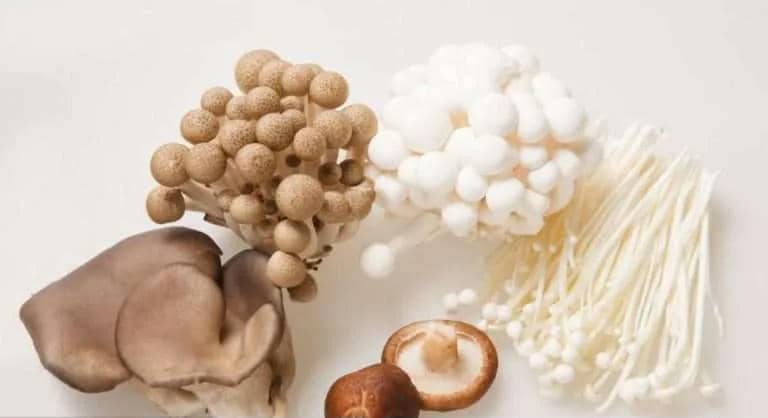
Why Plamed uses biosynthesis. In 1909, ergothioneine was first discovered in Claviceps purpurea and later found in animal organs. Today, biosynthesis is the mainstream route for large-scale production: ergothioneine produced this way has high purity and few impurities — the foundation of Plamed's ≥99% HPLC specification.
Specification sheet
Product Name | Specification | Color |
Ergothioneine | 99% | White powder |
Items | Specification | |
Purity | ≥99% HPLC | |
Appearance | White to off-white powder | |
Physical characteristics |
| |
Loss on drying | ≤3.0% | |
Particle size | 98% pass 100 mesh | |
Heavy metals |
| |
Pb | ≤10 ppm | |
As | ≤2 ppm | |
Hg | ≤1 ppm | |
Cd | ≤5 ppm | |
Microbiological tests |
| |
Total plate count | ≤100 cfu/g | |
Yeast & mold | ≤50 cfu/g | |
Pseudomonas aeruginosa | Not detected | |
Staphylococcus aureus | Not detected | |
Heat-resistant Escherichia coli | Not detected | |
How to read this sheet
≥99% HPLC — above the specification commonly seen for chemically synthesized or extracted grades; it is the purity dividend of the biosynthesis route and directly matches the low-impurity positioning.
Five "Not detected" microbiological limits — for a fermentation-derived raw material, microbial and endotoxin control is the critical quality focus; all pathogenic organisms are set to "Not detected", which matches the production route.
Four heavy-metal limits — covering Pb/As/Hg/Cd to meet routine safety-assessment requirements for cosmetic raw materials.
What are ergothioneine benefits for skin? Antioxidant, UV and anti-aging
Anti-oxidation: protection under continuous UV stress
In short: under 18 hours of continuous ultraviolet irradiation, 70% of cells remain in the reduced state thanks to ergothioneine — direct evidence of its ability to shield cells from oxidative stress.
Ergothioneine inhibits lipid per-oxidation, prevents the production of reactive oxygen species, and reduces apoptosis of irradiated cells. Thereby it helps prevent skin aging and effectively improves fine lines and wrinkles.
Visible results in 4 weeks. In a study using an emulsion containing 2.0% EGT applied once daily for 4 weeks, participants' skin wrinkles reduced significantly and skin became brighter.

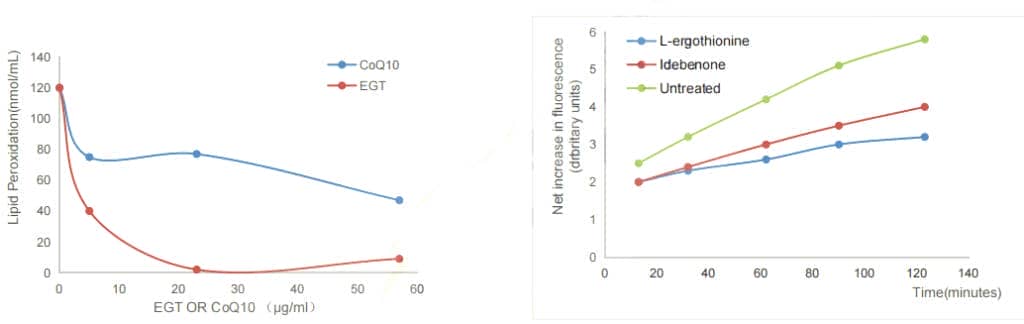
Stronger antioxidant potency than CoQ10 and idebenone in one comparative study. A comparative study of EGT, coenzyme Q10 and idebenone (Dong et al., Journal of Cosmetic Dermatology, 2007) indicates that EGT's antioxidant activity is superior to both: ergothioneine is relatively more effective in removing free radicals and protecting cells from UV-induced ROS.
Sun protection: a physiological UV filter
In short: EGT's UV absorption wavelength is close to that of DNA (λmax 257 nm, molar extinction coefficient 1.4×10⁴ M⁻¹cm⁻¹), letting it act as a physiological filter against UV damage.
In the ultraviolet absorption range, ergothioneine has an absorption wavelength similar to that of DNA. It decreases the formation of reactive oxygen species and protects skin cells from UV-radiation damage — which is why ergothioneine can be used as a physiological filter of ultraviolet rays and is considered a very effective sunscreen-support ingredient.
Why it belongs in your anti-aging formula
Among anti-aging ingredients to look for, ergothioneine stands out for a rare combination: evidence-backed ROS scavenging, DNA-wavelength-matched UV filtering, water solubility, and proven synergy with other antioxidants. For brands building science-backed skincare ingredients lists, EGT works both as a core active and as a booster that raises the performance of vitamin C derivatives, peptides and other antioxidants in the same formula.
Pharmacological studies of ergothioneine in relation to cosmetics
Test item | Concentration | Result |
Elimination of free radical singlet oxygen | — | Elimination rate: 2.3×10⁷ /mL⁻¹ |
Elimination of hydroxyl radicals | — | Elimination rate: 1.2×10¹⁰ /mL⁻¹ |
Elimination of free radical DPPH | — | IC₅₀: 53 μg/mL |
Inhibition of keratinocyte apoptosis under high concentration of ozone | 1 mmol/L | Inhibition rate: 48.6% |
Inhibition of fibroblast apoptosis under UVB irradiation | 1 mmol/L | Inhibition rate: 70% |
Inhibition of tyrosinase activity | 0.1% | Inhibition rate: 48% |
Inhibition of glycosylation of skin proteins | 5 mmol/L | Inhibition rate: 42.9% |
Inhibition of lipase activity | — | IC₅₀: 0.221 mg/mL |
Inhibition of 5α-reductase activity | — | IC₅₀: 2.32 mg/mL |
How to read these numbers
· Three lines of antioxidant evidence — singlet-oxygen and hydroxyl-radical elimination rates plus a DPPH IC₅₀ give a direct quantification of scavenging capacity, cross-checking the cell-level evidence in the Benefits tab.
· 48.6% / 70% anti-apoptosis — apoptosis is significantly inhibited in both damage models, ozone (environmental stress) and UVB (photoaging) — the data support behind the "defense against photoaging and environmental stress" claim.
· 48% tyrosinase inhibition at 0.1% — evidence for the whitening mechanism, explaining the "synergistic whitening" positioning in the Overview.
· 42.9% anti-glycation — evidence for the anti-glycation direction, usable in premium anti-aging product claims.
5α-reductase / lipase inhibition — indicates extension potential toward oil-control and lipid-metabolism applications.
Which products use ergothioneine, and at what dosage?
Where it fits
Ergothioneine is mainly used in whitening and anti-aging skincare — serum, facial mask, emulsion, toner, essence and cream. It is water-soluble, stable in light and heat, and easy to combine with other actives.
Reference dosage
Product type | Reference dosage |
Ergothioneine (overall) | 0.01%–3.0% |
Cream | 0.01%–1.0% |
Emulsion | 0.01%–2.0% |
Toner | 0.01%–3.0% |
Application scenarios
Scenario | Role of EGT | Typical pairing |
Brightening serum / essence | Core antioxidant + tyrosinase-inhibition support | Vitamin C derivatives, niacinamide |
Anti-aging cream / emulsion | ROS scavenging + anti-glycation support | Peptides, Pro-Xylane-type actives |
Daily protection / "photoaging defense" products | Physiological UV filter booster (λmax 257 nm) | UV filters, antioxidants |
Sensitive-skin soothing lines | Non-irritating antioxidant support | Ectoin-type protectors, panthenol |
Eye cream | Anti-glycation + brightening support | Peptides, caffeine |
Toner
Ingredient | Content (%) | Ingredient | Content (%) |
Ergothioneine | 0.02 | Xanthan Gum | 0.1 |
Trehalose | 1.0 | Glycerin | 8.0 |
Propylene Glycol | 7.0 | Water-Soluble Lanolin | 3.0 |
Fragrance | 0.1 | Hydrogenated Castor Oil | 1.0 |
Preservative | 0.2 | Deionized Water | Add to 100 |
Emulsion
Ingredient | Content (%) | Ingredient | Content (%) |
Ergothioneine | 0.1 | Brij-72 | 1.2 |
Brij-721 | 1.5 | Hexyldecyloctadecanol | 0.5 |
Simethicone | 3.0 | Hydrogenated Castor Oil | 3.5 |
Octyl/Decyl Triglyceride | 4.0 | White Oil | 3.0 |
BHT | 0.05 | Propylene Glycol | 6.0 |
Glycerin | 8.0 | Carbomer 20 | 10.0 |
Preservative | 0.2 | Fragrance | 0.2 |
NaOH | Q.s. | Water | Add to 100 |
Regulatory status
PCPC (formerly CTFA) has recognized ERGOTHIONEINE as a cosmetic raw material.
The Chinese standard name for ERGOTHIONEINE is listed in the International Catalogue of Chinese Standard Names of Cosmetic Ingredients (2010).
ERGOTHIONEINE is included in the IECIC — List of Used Cosmetic Ingredients in China (2021 Edition) published by the CFDA (now NMPA).
There are no reports indicating that ERGOTHIONEINE is unsafe for external use. In epidermal cells ergothioneine is non-toxic and produces no irritation when used topically.
Which ingredients combine with ergothioneine?
Ergothioneine is water-soluble and heat-stable enough for most emulsion processes. It is commonly paired with vitamin C derivatives and alpha-arbutin for brightening, with ectoin and hyaluronic acid for hydration, and with bakuchiol or peptides for anti-aging claims.
Ergothioneine Wholesale: Price, MOQ and Supply
Supply, packaging and samples
Item | Detail |
Product | Ergothioneine (EGT) |
Product ID | PMKZ2101 |
INCI name | ERGOTHIONEINE |
CAS number | 497-30-3 |
Specification | ≥99% (HPLC), white powder |
Form / solubility | Water-soluble powder |
Production process | Biosynthesis |
Reference dosage | 0.01%–3.0% |
Minimal package | 10 g bag (also 100 g/bag, 1 kg/bag) |
MOQ | 10 g |
Samples | Complimentary samples for laboratory evaluation and pilot trials |
Lead time | 3–5 working days after payment for standard items |
Storage | Cool, dry place; away from direct sunlight and oxidizing agents |
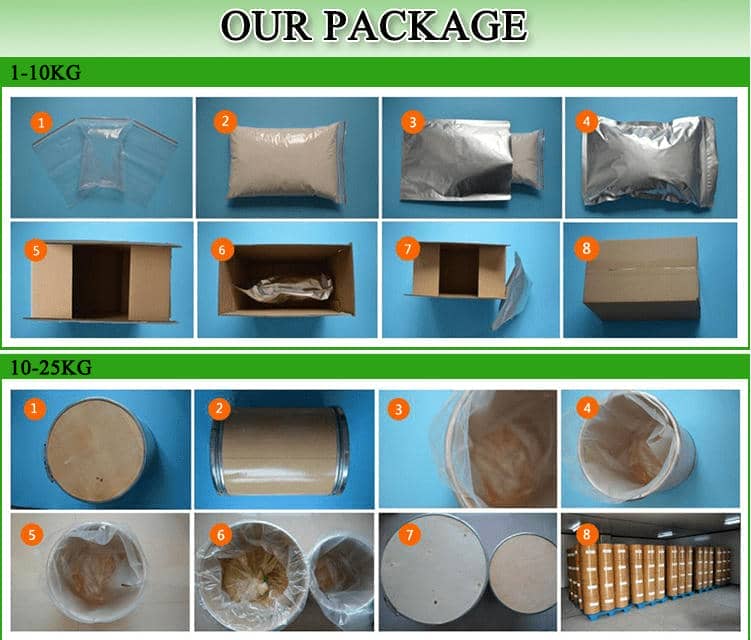
What Plamed Ergothioneine Offers
99% purity by biosynthesis — high purity and few impurities, backed by a full specification sheet (heavy metals, microbiology).
Stability by molecule design — good light and heat stability, not easily decomposed by oxidation; no special cold-chain handling required.
Multi-target data package — ROS scavenging rates, DPPH IC₅₀, anti-apoptosis (ozone/UVB), tyrosinase and glycosylation inhibition — usable directly in product claims development.
Formulation flexibility — water-soluble, compatible with other actives, synergistic with common antioxidants; reference toner and emulsion formulas provided.
Available Document of Ergothioneine
Certificate of Analysis (COA)
Material Safety Data Sheet (MSDS)
Composition Statement
Certificate copies: ISO 9001:2015, Halal
Regulatory support dossier (EU / US MoCRA / MFDS)
To request a quote or a sample, contact Plamed Green Science Group here.
Ergothioneine Powder Manufacturer and Wholesale Supplier
Plamed is a China ergothioneine powder manufacturer and supplier producing bio-synthesized EGT powder (≥99% HPLC) for whitening, anti-aging and photoaging-defense formulations. For buyers looking for where to buy ergothioneine or comparing ergothioneine powder suppliers, Plamed offers lab-evaluation samples, batch COAs and a full pharmacological data package — MOQ from 10 g for R&D trials, scalable volumes for production.
Ergothioneine Powder Price and Wholesale Supply
Ergothioneine powder price depends on purity, order volume, packaging size and destination-market documentation. To buy ergothioneine powder at low price without compromising quality, source directly from the manufacturer: request a wholesale quotation matched to your volume — trial batches and long-term bulk supply are both supported.
Why Source Ergothioneine from Plamed?
Plamed controls the full biosynthesis chain in-house — strain, fermentation, purification and release testing — delivering consistent ≥99% purity batch after batch. Combined with water solubility, proven stability and published reference formulas, Plamed's EGT is built for formulators who need both science-backed data and manufacturing reliability.
Q1: What is ergothioneine?
A: Ergothioneine (EGT) is a naturally occurring amino acid antioxidant, first discovered in 1909 in Claviceps purpurea. It is produced at industrial scale mainly by biosynthesis, and Plamed supplies it as a ≥99% HPLC white powder (PMKZ2101, CAS 497-30-3).
Q2: What are the benefits of ergothioneine for skin?
A: Ergothioneine delivers four documented benefits for skin: it scavenges ROS and inhibits lipid per-oxidation (anti-aging), helps improve fine lines and wrinkles, supports brightening via tyrosinase inhibition (48% at 0.1%), and acts as a physiological UV filter (λmax 257 nm) that protects skin cells from UV-induced damage.
Q3: How does ergothioneine work as an antioxidant?
A: Ergothioneine eliminates ROS directly — with documented singlet oxygen and hydroxyl radical elimination rates and a DPPH IC₅₀ of 53 μg/mL — while inhibiting lipid per-oxidation and reducing apoptosis of irradiated cells. Under 18 hours of continuous UV irradiation, 70% of cells remain in the reduced state in its presence.
Q4: Is ergothioneine better than CoQ10 or idebenone?
A: For free-radical scavenging, a comparative study indicates ergothioneine's antioxidant activity is better than both coenzyme Q10 and idebenone: EGT was relatively more effective in removing free radicals and protecting cells from UV-induced ROS (comparison curves are shown in the Benefits tab).
Q5: Can ergothioneine be combined with other antioxidants?
A: Yes — and it should be. Studies show that ergothioneine used together with other antioxidants delivers a synergistic whitening and anti-aging effect. It is water-soluble, light- and heat-stable, and not easily decomposed by oxidation, making it easy to pair with vitamin C derivatives, niacinamide and peptides.
Q6: What is the recommended dosage of ergothioneine in skin care?
A: The overall reference range is 0.01%–3.0%, adjusted by product type: cream 0.01%–1.0%, emulsion 0.01%–2.0%, toner 0.01%–3.0%. A published reference toner (0.02%) and emulsion (0.1%) formula are provided on this page.
Q7: Is ergothioneine stable in formulation and storage?
A: Yes. Ergothioneine has good light and heat stability and is not easily decomposed by oxidation. Store the raw material in a cool, dry place away from direct sunlight and oxidizing agents — no cold chain required.
Q8: Is ergothioneine safe for topical use?
A: Yes. Ergothioneine is non-toxic in epidermal cells and produces no irritation when used topically. It is recognized by PCPC (formerly CTFA), listed in the International Catalogue of Chinese Standard Names of Cosmetic Ingredients (2010) and included in China's IECIC (2021 Edition); there are no reports indicating it is unsafe for external use.
Q9: Why choose bio-synthesized ergothioneine instead of extraction?
A: Biosynthesis is the mainstream route for large-scale production: it delivers high purity and few impurities, with consistent batch quality — versus low-content, harder-to-standardize extraction from fungi or animal organs. Plamed's EGT is produced by biosynthesis and tested at ≥99% HPLC.
Q10: What is the MOQ and where can I buy ergothioneine powder?
A: You can buy ergothioneine powder directly from the manufacturer — Plamed Green Science Group (see the Procurement tab). MOQ is 10 g for R&D evaluation, with 10 g / 100 g / 1 kg bag options; see the supply table for lead time and packaging.
Q11: How much does ergothioneine powder cost?
A: Ergothioneine powder price depends on purity, order volume, packaging and destination-market documentation. Because Plamed is the manufacturer, wholesale quotations are matched to your volume — contact our team with your target quantity for a quote.
Q12: Which documents do you provide with ergothioneine?
A: Each batch ships with a COA; TDS, MSDS, Composition Statement and regulatory support dossiers are available on request, together with ISO 9001:2015 and Halal certificate copies. A full pharmacological data package (ROS scavenging, DPPH, anti-apoptosis, tyrosinase, anti-glycation) supports your claims work.