
Bisabolol | Soothing & Barrier-Repair Active for Sensitive Skin
Plamed’s fermentation-derived (-)-α-bisabolol offers ≥98% purity, with farnesol controlled at ≤0.05%. Known for its soothing and anti-inflammatory properties, it is recommended for use at 0.1%–1.0% in the oil phase.
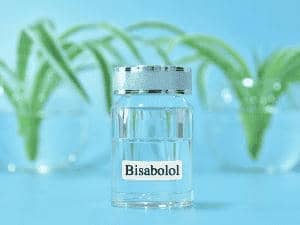
Bisabolol
Bisabolol is a soothing and barrier-repair active that relieves sensitive-skin discomfort such as redness, stinging and itching, helps restore a compromised skin barrier, and supports acne-prone and post-procedure skin care.
Plamed produces high-purity L-α-bisabolol (≥98.0%) through natural fermentation and controls the allergenic impurity farnesol at ≤0.05% or less — delivering high bioactivity together with improved material safety and batch-to-batch consistency.
At a glance(H2)
Item | Detail |
Product | Bisabolol ((-)-α-bisabolol, levomenol) |
Product ID | PMM3401 |
INCI name | BISABOLOL |
Other names | α-bisabolol; levomenol; (-)-alpha-bisabolol |
CAS number | 23089-26-1 |
Molecular formula | C₁₅H₂₆O |
Molecular weight | 222.37 g/mol |
Origin of molecule | Fermentation-derived, natural-identical |
Production route | Microbial fermentation + molecular distillation |
Purity | ≥98.0% |
Content | ≥95.0% |
Allergenic impurity | Farnesol ≤0.05% |
Appearance | Colorless to light-yellow viscous liquid |
Solubility | Oil-soluble; soluble in ethanol; poorly soluble in water |
Reference dosage | 0.1%–1.0% |
Minimal package | 1 kg |
MOQ | 1 kg |
Storage | Sealed, away from light, room temperature |
Bisabolol (INCI: BISABOLOL; CAS 23089-26-1) is a natural α-bisabolol supplied by Plamed as fermentation-derived (-)-α-bisabolol with ≥98.0% purity and farnesol ≤0.05%. Used at 0.1%–1.0%, it calms redness and stinging, repairs the skin barrier and supports anti-acne care in skin care and cosmetic formulations.
In short: Bisabolol is a fermentation-derived (-)-α-bisabolol (INCI: BISABOLOL, CAS 23089-26-1) — a soothing, barrier-repairing and anti-acne active from Plamed (PMM3401): ≥98.0% purity, ≥95.0% content, allergenic farnesol ≤0.05%, dosed at 0.1%–1.0% in oil-phase formulations.
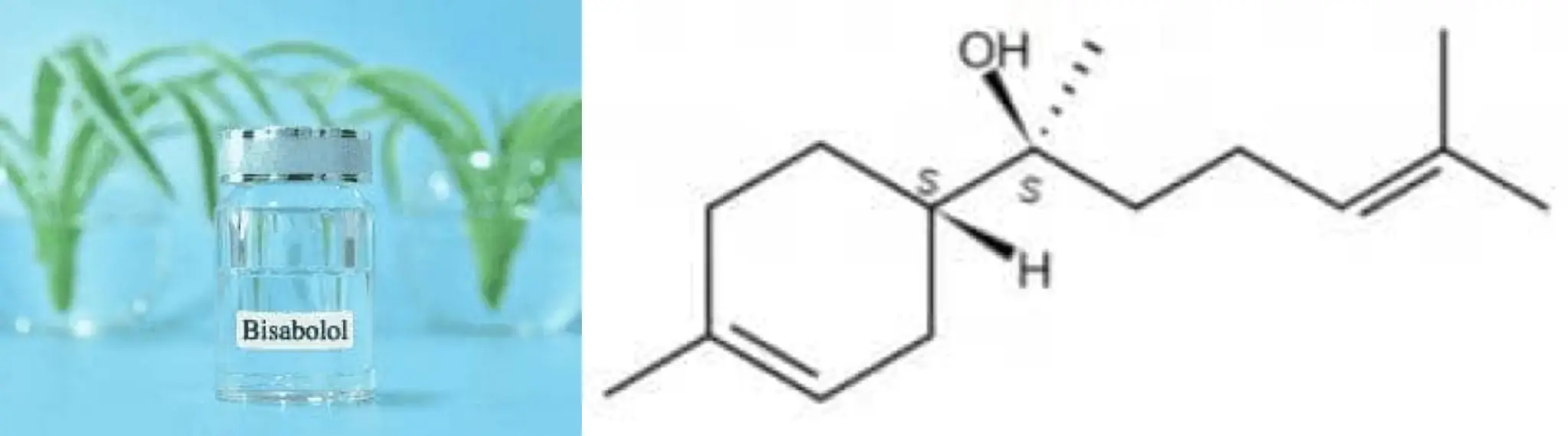
What it is.
Bisabolol — also known as α-bisabolol or levomenol — is a monocyclic sesquiterpene alcohol, the terpene behind chamomile's soothing character; it occurs in chamomile and other Asteraceae plants, and a bisabolol extract from those plants is one commercial route. The (-)-enantiomer is the naturally occurring and pharmacologically preferred form. Plamed produces natural-identical (-)-α-bisabolol by microbial fermentation — a biosyn (bio-synthesized) route rather than solvent extraction — reaching cosmetic-grade purity ≥98.0% with strictly controlled allergenic farnesol (≤0.05%), high activity and thermal stability.
How it works.
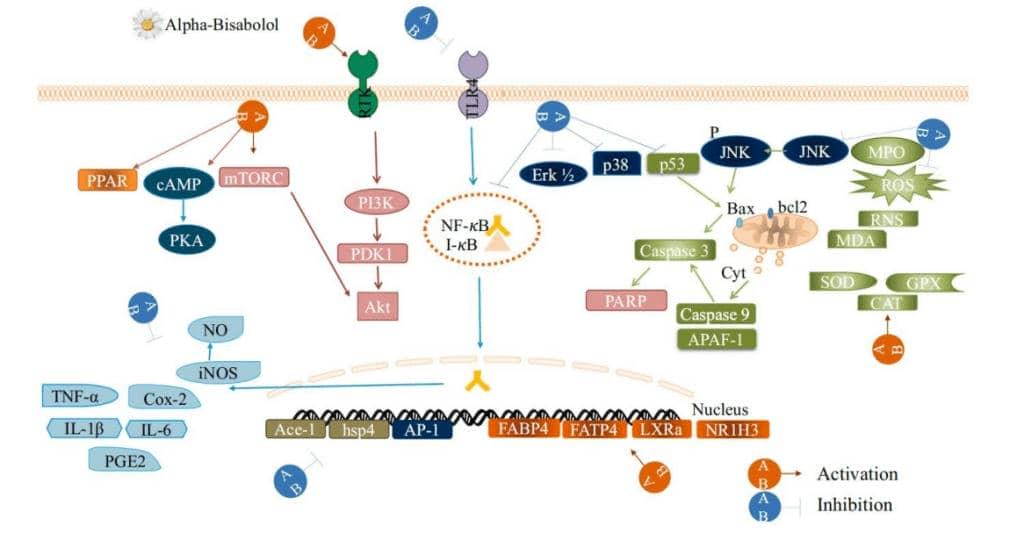
Bisabolol blocks the two classic inflammatory signaling pathways — NF-κB and MAPK — downregulating the transcription and release of pro-inflammatory factors (IL-1β, IL-6, TNF-α, leukotriene B4). At the same time it promotes keratinocyte proliferation and differentiation and upregulates the three core barrier proteins (filaggrin, loricrin, occludin), so soothing and barrier repair happen in one step. It also shows broad-spectrum antibacterial, antioxidant and mild tyrosinase-inhibiting activity.
Function and solubility in cosmetics.
Its function in cosmetics is a soothing-and-repair active, not an emulsifier or thickener. Alpha bisabolol solubility is oil- and ethanol-based rather than aqueous: the material is oil-soluble and soluble in ethanol but poorly soluble in water, so it is dissolved in the oil phase and dosed at 0.1%–1.0%. Its formula is C₁₅H₂₆O, molecular weight 222.37 g/mol — a small, lipophilic molecule with good skin penetration.
Why the fermentation route matters.
Fermentation delivers a high-purity single configuration with batch-to-batch consistency and stable capacity — without the seasonal, geographic and pesticide-residue risks of plant extraction or the racemic-mixture compliance risks of chemical synthesis (see Source).
Where it fits in skin care.
Bisabolol is used in skincare across the soothing and repair axis: sensitive-skin soothing and repair, post-medical-aesthetic-procedure care, acne-prone complexions, post-sun care and comfort systems for potent actives — the core foundational ingredient for soothing and repairing cosmetics.
How is cosmetic bisabolol produced? Three routes compared
Conclusion first: Plamed's bisabolol is biosyn — produced by biofermentation rather than plant extraction or chemical synthesis — the route that balances green sustainability, high-purity single configuration and scalable, stable supply.
Cosmetic-grade bisabolol is produced through biofermentation, natural plant extraction and chemical synthesis. Plamed employs biofermentation technology to achieve large-scale production of high-purity (-)-α-bisabolol, eliminating the supply-chain risks of seasonal plant extraction while avoiding organic solvents.
Item | Biological fermentation | Natural plant extraction | Chemical synthesis |
Raw materials | Food-grade glucose carbon source (renewable resource) | Chamomile, spring chrysanthemum and other Asteraceae plants | Chemical precursors |
Process | High-density microbial fermentation with targeted biosynthetic pathways, then molecular distillation | Supercritical CO₂ or organic-solvent extraction, then distillation and purification | Multi-step chemical synthesis, then purification |
Advantages | Green and sustainable; high-purity single configuration; batch consistency; pure and safe; stable production capacity | High market recognition; mature application | Large-scale, low cost |
Limitations | High technical requirements; substantial upfront R&D investment | Poor supply stability (seasonal, regional); purity fluctuates; pesticide-residue risk | Racemic mixture with high impurities; compliance risk; lower mildness and bioactivity than the levorotatory form |
How to read this table: for a soothing active used in sensitive-skin and baby-care formulas, the decisive buying factors are enantiomeric purity (single (-)-configuration), allergen control and supply stability — all three favor the fermentation route.
TEST ITEMS | SPECIFICATION |
Purity | ≥98.0% |
Content | ≥95.0% |
Farnesol | ≤0.05% |
Organoleptic — Appearance | Viscous liquid |
Organoleptic — Color | Colorless to light yellow |
Organoleptic — Odor | Characteristic |
Physical — Specific optical rotation | -58.0° ~ -55.0° |
Physical — Refractive index | 1.485 ~ 1.497 (20 °C) |
Physical — Relative density | 0.920 ~ 0.936 (20 °C/4 °C) |
Heavy metals — Pb | ≤10 ppm |
Heavy metals — As | ≤2 ppm |
Heavy metals — Hg | ≤1 ppm |
Heavy metals — Cd | ≤5 ppm |
Microbiological — Total plate count | ≤100 cfu/g |
Microbiological — Yeast & mold count | ≤50 cfu/g |
Microbiological — Pseudomonas aeruginosa | Not detected |
Microbiological — Staphylococcus aureus | Not detected |
Microbiological — Heat-resistant E. coli | Not detected |
How to read this specification. Three numbers matter most:
Purity ≥98.0% — isomeric purity: the share of the (-)-α configuration within the bisabolol fraction, which is why the optical-rotation window is the identity check.
Content ≥95.0% — assay of bisabolol in the whole sample by GC, confirming the liquid grade is not carried on solvents or diluents.
Farnesol ≤0.05% — the differentiated metric. Farnesol is a declarable fragrance allergen in the EU; controlling it at ≤0.05% reduces irritation risk and simplifies allergen labeling for finished products sold in Europe.
The optical rotation window (-58.0° ~ -55.0°) is the identity check for the (-)-enantiomer: a racemic synthetic product cannot meet it.
A batch-specific COA is provided with every order.
How is Plamed's bisabolol made? The fermentation process step by step
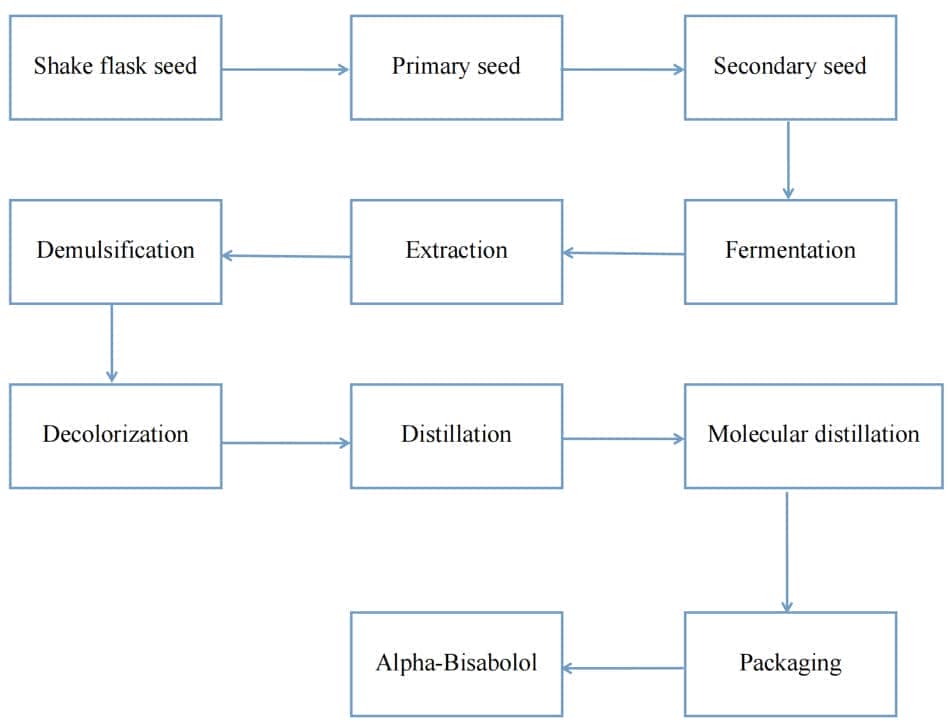
Plamed produces (-)-α-bisabolol through a controlled four-stage fermentation process:
Seed cultivation — a shake-flask seed culture is scaled up through primary and secondary seed stages under sterile conditions, building the inoculum that defines batch consistency.
Fermentation — high-density fermentation uses microorganisms (such as yeast) with targeted biosynthetic pathways, converting the food-grade glucose carbon source into (-)-α-bisabolol.
Extraction and refining — the fermentation broth is extracted, then demulsified, decolorized and distilled to remove biomass, pigments and light fractions.
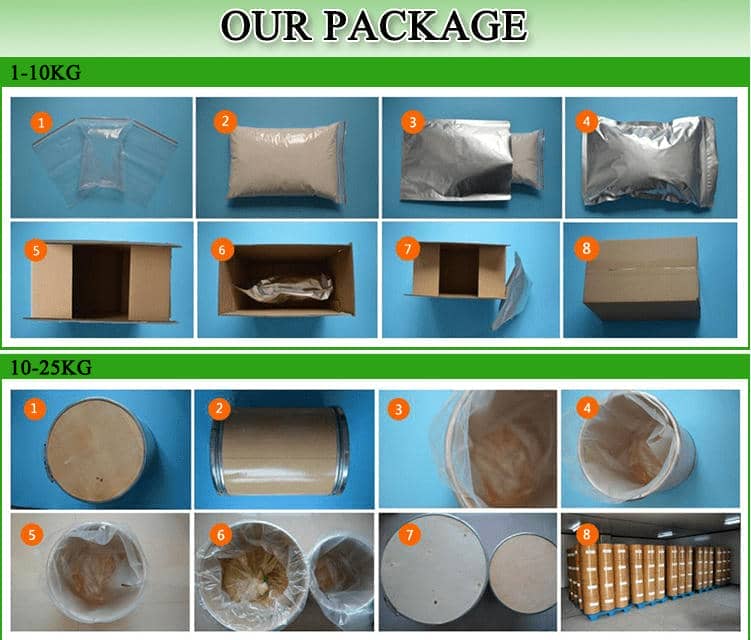
Molecular distillation and packaging — final molecular distillation lifts purity to ≥98.0%; the finished alpha-bisabolol is packed in 1 kg aluminium-foil bags (25 bags per fiber drum) and released only after COA verification of purity, content, farnesol, heavy metals and microbiological limits.
What does bisabolol do for skin? Soothing, barrier repair and anti-acne
Bisabolol skin benefits come from two mechanisms that reinforce each other: it switches off the inflammatory cascade that drives redness and stinging, and it rebuilds the barrier proteins that keep irritants out. The four sections below cover the documented bisabolol benefits for skin — anti-inflammatory soothing, barrier repair, anti-acne support and antioxidant/brightening assistance.
How does bisabolol calm irritated skin?
In short: bisabolol blocks the NF-κB and MAPK classical inflammatory signaling pathways, dose-dependently downregulating the transcription and release of pro-inflammatory factors IL-1β, IL-6, TNF-α and leukotriene B4. It interrupts the skin inflammation cascade, rapidly alleviating redness, stinging, itching and edema caused by external irritants or barrier damage. Studies demonstrate that L-alpha-bisabolol provides effective soothing for both allergic skin and pediatric skin, with significantly superior efficacy compared to synthetic racemic mixtures — an anti-inflammatory soothing active for skin and a core ingredient for sensitive-skin care.
How does bisabolol repair the skin barrier?
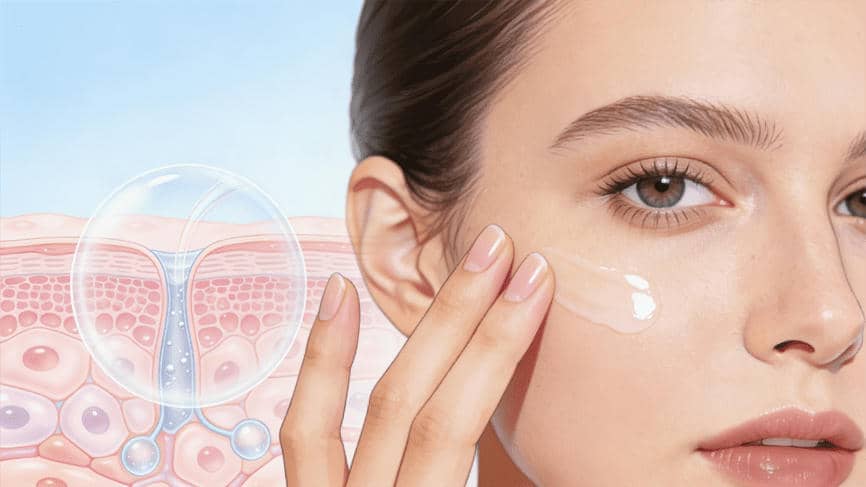
Bisabolol promotes proliferation and differentiation of human keratinocytes and upregulates the gene and protein expression of filaggrin, loricrin and occludin — the three core structural proteins of the skin barrier. It strengthens the stratum corneum, reduces transepidermal water loss (TEWL) and accelerates regeneration of damaged barriers, fundamentally improving moisture retention and resistance to external irritants — fewer recurrent redness and sensitivity episodes for sensitive skin.
Can bisabolol help with acne-prone skin?
Bisabolol exhibits broad-spectrum antibacterial activity while suppressing inflammatory reactions at acne lesions: it reduces redness and swelling in inflamed pimples, accelerates their resolution and minimizes post-acne marks. Unlike antibiotics, it carries no resistance risk and is gentle on acne-prone skin without compromising the barrier — meeting the acne-fighting and repair needs of oily and acne-prone skin.
Does bisabolol support brightening and antioxidant formulas?
Bisabolol scavenges DPPH radicals, hydroxyl radicals and superoxide anions, inhibits lipid peroxidation and reduces UV-induced reactive oxygen species (ROS) damage. It also inhibits tyrosinase activity to reduce melanin production — and, uniquely for a soothing active, alleviates the irritation caused by whitening ingredients such as retinol, niacinamide and acids, enhancing the gentleness and tolerability of brightening products.
Why formulators shortlist it
Bisabolol is one of the most broadly listed soothing actives in global ingredient directories (see Safety) and pairs an immediate-calming mechanism (NF-κB/MAPK) with structural repair (filaggrin/loricrin/occludin). At 0.1%–1.0% it layers well with PMSoothe® Kava97, PMRepair® Centella, ectoin and ceramides in sensitive-skin, post-procedure and acne-care formulas.
Which products is bisabolol used in, and at what dosage?
Bisabolol possesses excellent lipophilicity and transdermal absorption, delivering significant efficacy even at low concentrations. In cosmetics it is used across the soothing and repair axis: sensitive-skin repair serums and creams, post-sun care, medical-aesthetic post-procedure repair, acne gels and serums, soothing systems for potent-treatment products, infant skincare and sunscreen formulations.
Where it fits
Product type | Positioning with bisabolol | Typical pairing |
Sensitive-skin repair serums / creams | NF-κB/MAPK calming + filaggrin-mediated barrier strengthening | |
Post-sun care | Rapid relief of UV-induced redness and heat | Aloe-type actives, panthenol |
Medical-aesthetic post-procedure repair | Soothes post-laser/procedure irritation, supports barrier regeneration | PCR® Supermolecule Escin, growth-factor serums |
Acne gels / serums | Anti-acne without antibiotic resistance risk | PMRefresh® Willow (salicin), zinc actives |
Soothing systems for potent actives | Mitigates irritation from retinol, niacinamide and acids | Retinol, vitamin C derivatives, exfoliating acids |
Infant skincare | High topical safety, no sensitization potential | Allantoin-type protectors |
Sunscreen formulations | Soothing base for UV-exposed skin | UV filters, antioxidants |
Reference dosage
Product and specification | Reference dosage |
Bisabolol (purity ≥98.0%) | 0.1%–1.0% |
Notes:
Bisabolol is lipophilic and poorly soluble in water: dissolve it in the oil phase first before incorporating into the formula.
Bisabolol shows excellent stability to light and heat — conventional cosmetic manufacturing causes no activity loss. For long-term storage keep it away from light, sealed, at room temperature.
Is bisabolol safe? Regulatory status and testing
In China, bisabolol is listed in the IECIC — the Inventory of Existing Cosmetic Ingredients in China (2021 Edition), administered by the NMPA.
In the United States, the Personal Care Products Council (PCPC, formerly CTFA) lists bisabolol as a compliant cosmetic ingredient; in the European Union it is notified through the CPNP portal.
The Japan Cosmetic Industry Association (JCIA) and South Korea's MFDS list bisabolol as a compliant soothing and repairing ingredient in their respective directories.
The European Scientific Committee on Consumer Safety (SCCS) has affirmed its safety for use in cosmetics.
Repeated skin irritation tests, sensitization tests and human clinical trials confirm high topical safety, with no irritation, phototoxicity or sensitization potential.
Which ingredients combine with bisabolol?
Bisabolol calms and rebuilds structure, so it pairs best with actives covering the other axes of a soothing formula. It combines with PMSoothe® Kava97 for rapid irritation relief, with PMRepair® Centella 70% Total Triterpenes and PCR® Supermolecule Scutellaria 6% Baicalin for repair and anti-inflammatory depth, with PCR® Supermolecule Escin for decongesting care, with Ectoin 98% for cell protection, with Ceramide NP for barrier lipid replenishment, and with PMRefresh® Willow 60% salicin in gentle acne-care routines.
How much does bisabolol cost, and what is the MOQ?
Supply, packaging and samples
Item | Detail |
Product | Bisabolol ((-)-α-bisabolol) |
Product ID | PMM3401 |
INCI name | BISABOLOL |
Specification | Purity ≥98.0%; content ≥95.0%; farnesol ≤0.05%; optical rotation -58.0° ~ -55.0° |
Form / solubility | Colorless to light-yellow viscous liquid; oil-soluble, soluble in ethanol |
Reference dosage | 0.1%–1.0% |
Minimal package | 1 kg/bag; 25 bags per fiber drum lined with double-layer plastic bags |
MOQ | 1 kg |
Samples | Complimentary samples for laboratory evaluation and pilot trials |
Lead time | 3–5 working days after payment for standard items |
Storage | Dry, well-ventilated area away from direct sunlight, high temperatures and oxidizing agents |
What Plamed Bisabolol Offers
Fermentation-derived single configuration — natural-identical (-)-α-bisabolol, batch-to-batch consistency without the seasonal supply and pesticide-residue risks of plant extraction.
Allergen-first quality control — farnesol controlled at ≤0.05%, reducing irritation risk and simplifying EU allergen labeling.
High purity & high activity — purity ≥98.0% and content ≥95.0%, verified by optical rotation (-58.0° ~ -55.0°) as the (-)-enantiomer identity check.
Green and sustainable — food-grade glucose carbon source, no organic-solvent chemical synthesis.
Batch-released quality — purity, content, farnesol, heavy metals and microbiology released against one published specification, with a COA per lot.
Available Document of Bisabolol
Certificate of Analysis (COA)
Material Safety Data Sheet (MSDS)
Product Specification (SPEC)
Composition Statement
Manufacturing Process Flowchart
Regulatory Compliance Statements (Vegan, Non-GMO, EU REACH)
Third-Party Test Report
To request a quote or a sample, contact Plamed Green Science Group here.
Bisabolol Manufacturer and Wholesale Supplier
Plamed is a bisabolol manufacturer and wholesale supplier producing natural alpha-bisabolol ((-)-α-bisabolol, ≥98% purity, farnesol ≤0.05%) for sensitive-skin, post-procedure and acne-care formulation. For buyers looking for bisabolol for sale or natural α-bisabolol for sale, comparing bisabolol price across suppliers, or asking where to buy bisabolol in cosmetic grade and who can guarantee bisabolol supply year-round, Plamed offers lab-evaluation samples, batch COAs with farnesol data and formulation support — MOQ from 1 kg for R&D trials, scalable volumes for production.
Bisabolol Pricing and Wholesale Supply
Bisabolol price depends on order volume, specification requirements, packaging and destination-market documentation. To buy bisabolol or buy alpha bisabolol at low price without compromising quality, source directly from the manufacturer: request a quotation matched to your volume — trial batches and long-term bisabolol wholesale supply are both supported.
Why Source Bisabolol from Plamed?
Plamed's bisabolol features fermentation-derived single-configuration purity (≥98.0%) with allergenic farnesol controlled at ≤0.05% — a combination racemic synthetic material cannot match. Batch-specific COA documentation supports regulatory filing and sensitive-skin claim development. As the manufacturer, we control fermentation, molecular distillation and release testing in-house, ensuring consistent quality from sample to bulk supply.
Q1: What is bisabolol?
A: Bisabolol (INCI: BISABOLOL, CAS 23089-26-1) — also known as alpha bisabolol, α-bisabolol or levomenol — is a monocyclic sesquiterpene alcohol, a terpene alcohol and the soothing active long associated with chamomile. Plamed supplies the natural-identical (-)-enantiomer, biosyn (bio-synthesized) by microbial fermentation rather than plant extraction, with purity ≥98.0% and allergenic farnesol ≤0.05% (PMM3401).
Q2: What are the benefits of bisabolol for skin?
A: Its documented benefits: blocking NF-κB and MAPK inflammatory pathways to calm redness, stinging and itching; upregulating filaggrin, loricrin and occludin to repair the skin barrier and reduce TEWL; broad-spectrum antibacterial support for acne-prone skin; and antioxidant/antityrosinase activity that supports brightening formulas while reducing their irritation.
Q3: Why choose fermentation-derived bisabolol instead of plant extraction or chemical synthesis?
A: Biosyn bisabolol — fermentation — delivers a high-purity single (-)-configuration with batch consistency and stable capacity. A bisabolol extract from chamomile or other Asteraceae plants suffers from seasonal and geographic supply risks, fluctuating purity and potential pesticide residues; chemical synthesis yields a racemic mixture with higher impurities, compliance risks and lower mildness and bioactivity than the levorotatory form.
Q4: What is farnesol, and why is the ≤0.05% limit important?
A: Farnesol is a fragrance allergen that must be declared on EU cosmetic labels above regulatory thresholds. In bisabolol it is the key allergenic impurity. Plamed controls it at ≤0.05%, which reduces irritation risk for sensitive skin and simplifies allergen labeling for finished products sold in Europe.
Q5: How do you use bisabolol in a formula?
A: The reference dosage is 0.1%–1.0%. Alpha bisabolol solubility is the practical constraint: the material is oil-soluble and soluble in ethanol but poorly soluble in water, so dissolve it in the oil phase first before incorporation. It shows excellent stability to light and heat — conventional manufacturing causes no activity loss.
Q6: Is bisabolol safe?
A: Repeated skin irritation tests, sensitization tests and human clinical trials confirm high topical safety with no irritation, phototoxicity or sensitization potential. It is listed in China's IECIC (2021 Edition), recognized by the US PCPC and EU CPNP, listed by JCIA and Korea's MFDS, and its safety is affirmed by the EU SCCS.
Q7: What is the MOQ? Can we buy a small quantity first?
A: Yes — the MOQ is 1 kg, so you can buy bisabolol for R&D trials before production volumes. Complimentary samples are available for laboratory evaluation; standard lead time is 3–5 working days after payment.
Q8: Which documents do you provide with the product?
A: Each order comes with a batch-specific COA (purity, content, farnesol, heavy metals, microbiology). We also provide TDS, MSDS, Composition Statement, ISO 9001:2015 and Halal certificate copies, and a regulatory support dossier (EU / US MoCRA / MFDS).
Q9: Which products is bisabolol used in?
A: In skin care, alpha-bisabolol is used in sensitive-skin repair serums and creams, post-sun care, medical-aesthetic post-procedure repair products, acne gels and serums, soothing systems for potent actives (retinol, niacinamide, acids), infant skincare and sunscreen formulations — used at 0.1%–1.0% in the oil phase.
Q10: Does bisabolol pair with whitening or exfoliating actives?
A: Yes. Bisabolol alleviates the irritation caused by retinol, niacinamide and acids, making brightening and exfoliating products gentler and more tolerable. It pairs with PMSoothe® Kava97, PMRepair® Centella, Ectoin, Ceramide NP and PMRefresh® Willow in soothing-repair formulas.