
Magnolol: Botanical Anti-Inflammatory Active for Skin Soothing
Derived from Magnolia officinalis, Plamed’s Magnolol supports soothing and anti-acne skincare formulations. Optimized extraction helps reduce residual solvents, while dedicated botanical cultivation supports a stable and reliable supply.
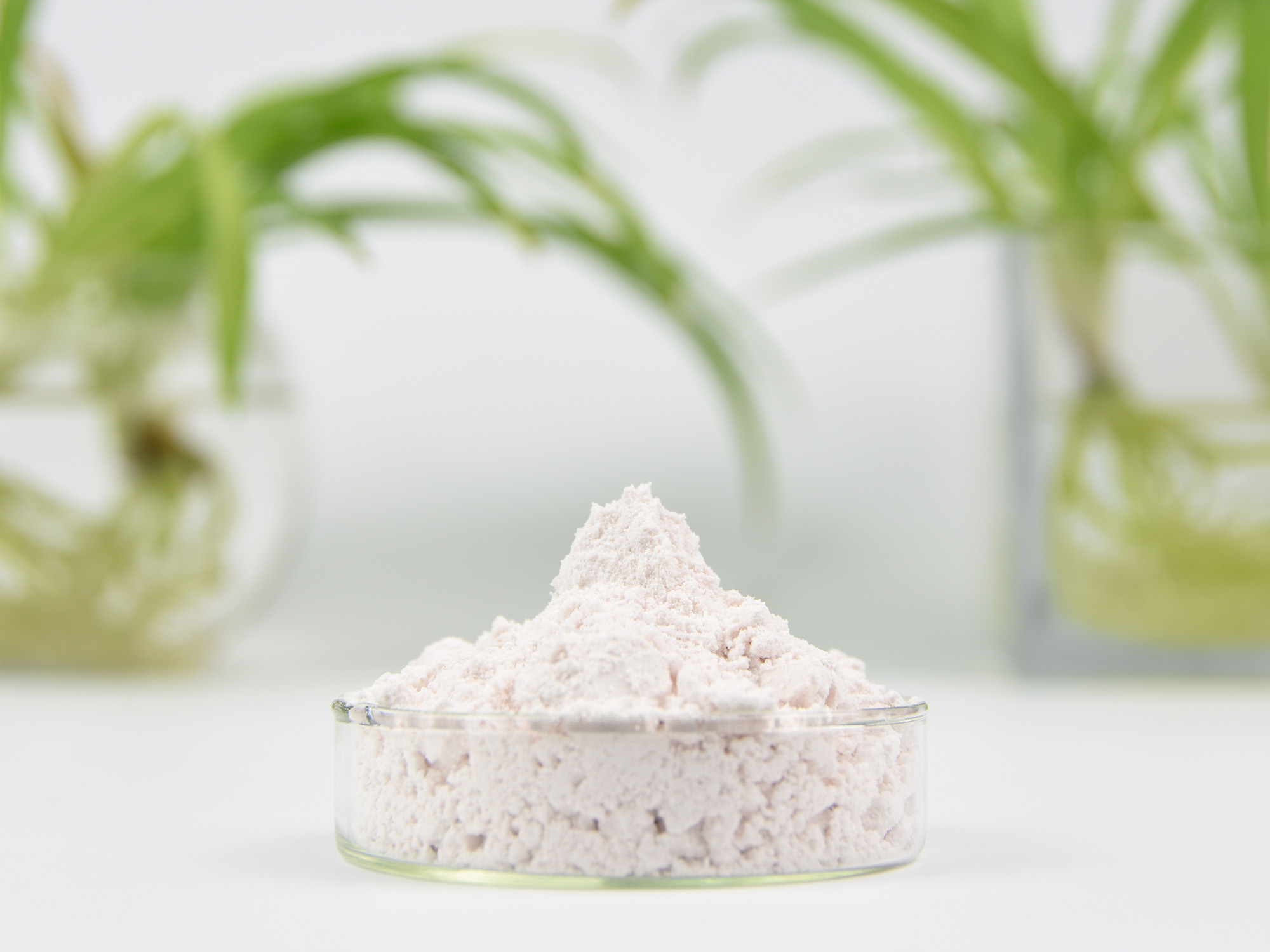
Magnolol
Magnolol is a plant-derived anti-inflammatory active from Magnolia officinalis. It helps address acne-prone skin, visible redness, and excess sebum, making it suitable for soothing, skin-repair, and anti-acne skincare formulations.
Plamed optimizes its extraction process to reduce residual solvents and leverages its own Magnolia cultivation base to support a stable supply, providing reliable active ingredient support for high-quality botanical soothing formulations.
Magnolol at a Glance
Magnolol is the phenolic active isolated from Magnolia officinalis bark, supplied by Plamed as a 98% HPLC-grade off-white to white powder. Together with honokiol — its structural isomer — it is one of the two signature actives of magnolia bark.
Item | Value |
Product Name | Magnolol |
CAS Number | 528-43-8 |
INCI Name | MAGNOLOL |
Molecular Formula | C18H18O2 |
Molecular Weight | 266.33 g/mol |
Product ID | PMQD0202 |
Specification | 98% (HPLC) |
Minimal Package | 1 kg |
MOQ | 1 kg |
For magnolol skincare and oral-care projects, the 98% grade on this page is the usual starting point; standalone honokiol (PMQD0201) and the combined extract (PMQD0204) have their own pages — see the Comparison tab.
Magnolol Structure and Identity
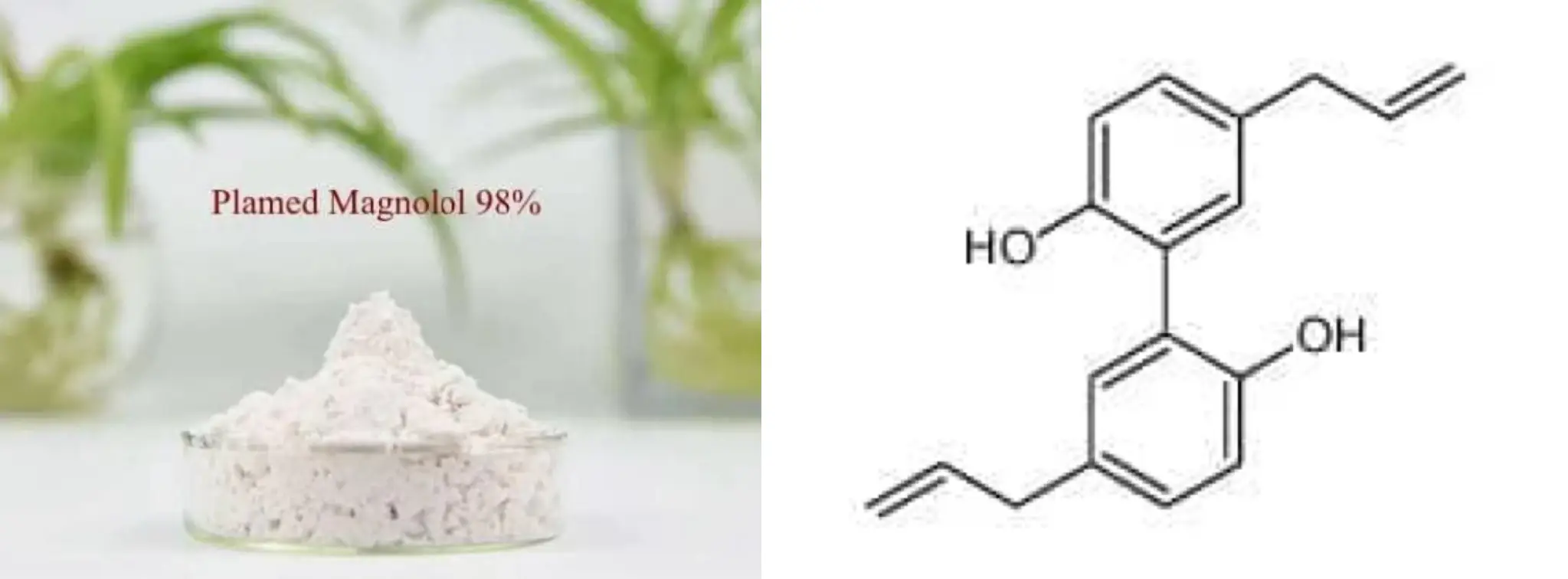
The magnolol structure is a biphenyl skeleton carrying two phenolic hydroxyl groups and two allyl side chains (C18H18O2, 266.33 g/mol). This small, lipophilic polyphenol architecture is what gives magnolol its in-vitro soothing and antioxidant behaviour — and its distinct solubility route in formulas (see the Solubility & Formulating tab).
Source and Manufacturing Process(H3)
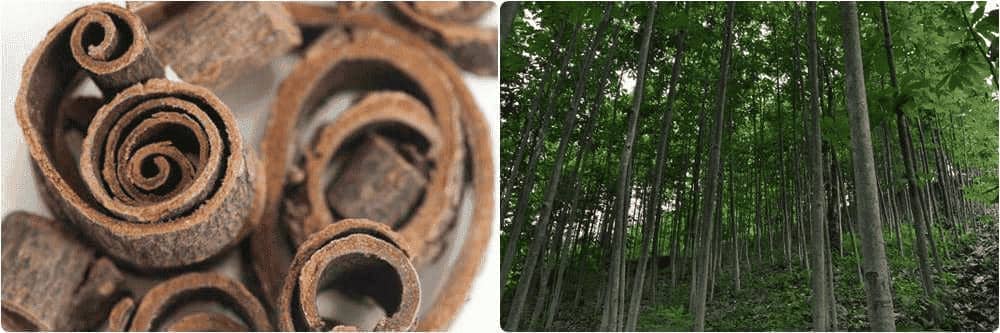
Magnolia officinalis (Magnolia officinalis Rehd. et Wils.) is a deciduous magnolia tree whose dried bark is the raw material for magnolol. The natural magnolol content differs sharply by plant part: bark and branch bark carry about 2.30% total magnolol, while root bark reaches 8.22% — one reason raw-material selection matters so much for this botanical.
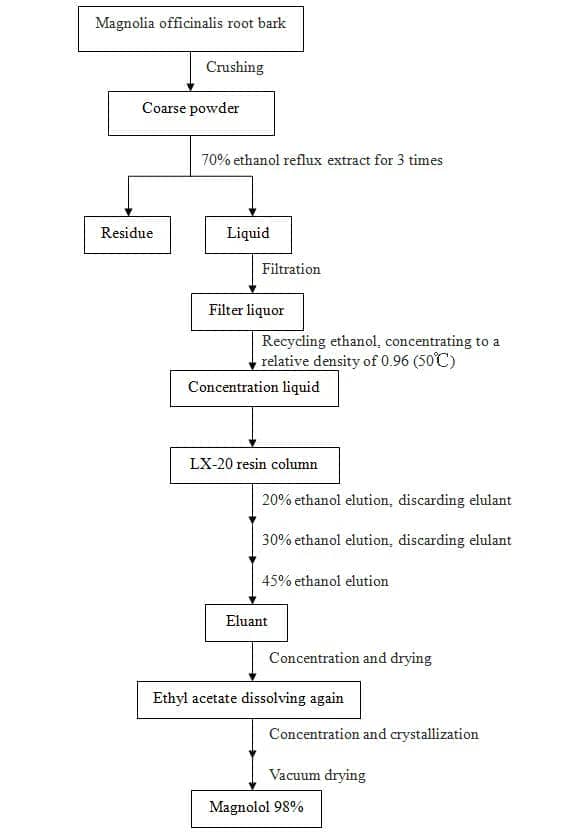
Plamed runs its own magnolia plantation, so we can guarantee a stable supply. The published manufacturing flowchart shows a purification-led route: 70% ethanol reflux extraction run three times, filtration with ethanol recovery and concentration, LX-20 resin-column purification with graded ethanol elution, then ethyl acetate recrystallization and vacuum drying to the 98% magnolol powder. This optimised extraction process is how solvent residue is engineered down batch by batch — and the release specification holds the powder to Eur. Pharm solvent-residue limits (see Specifications).
Magnolol vs Honokiol: Which Magnolia Active Do You Need?
Magnolol and honokiol are structural isomers — the same molecular formula (C18H18O2, 266.33 g/mol) with the two hydroxyl groups at different positions on the biphenyl skeleton. Both are isolated from the same magnolia bark, and Plamed supplies each one standalone as well as combined:
Dimension | Magnolol 98% (PMQD0202) | Honokiol 98% (PMQD0201) | Combined extract 98% (PMQD0204) |
What it is | The 98% standalone magnolol powder | The 98% standalone honokiol powder | Standardized magnolol + honokiol bark extract |
CAS | 528-43-8 | 35354-74-6 | — (blend, no single CAS) |
Relationship | Honokiol's structural isomer | Magnolol's structural isomer | The natural magnolol + honokiol pair, standardized by HPLC |
Typical use | Targeted high-purity dosing in serums and treatments | Targeted high-purity dosing; often preferred for antioxidant positioning | The usual starting point for magnolia-based soothing lines |
Page |
If your formulation brief starts from "magnolia" as a story, the combined extract is the natural entry point; if you are dosing a defined single molecule at low inclusion, the 98% magnolol powder on this page is the direct route.
Magnolol Specifications
The 98% magnolol powder (PMQD0202) is released lot by lot against the Technical Data Sheet below. The online spec sheet additionally lists seven rows not shown on the TDS — Full SPEC sheet available on request.
Technical Data Sheet(PMQD0202,TDS)
Items | Specification |
Magnolol | ≥98.00% |
Appearance | Off-white to white powder |
Odor & taste | Characteristic |
Moisture | ≤1.0% |
Ash | ≤1.0% |
Total heavy metals | ≤10 ppm |
Total plate count | ≤1000 CFU/g |
Yeast | ≤100 CFU/g |
Mould | ≤100 CFU/g |
Escherichia coli | ≤3.0 MPN/g |
Salmonella | Not detected |
Staphylococcus aureus | Not detected |
Extract Solvent | Water & ethanol |
Part used | Bark |
Particle Size | 98% through 80 mesh |
Bulk density | 50-60 g/100 ml |
Solvent Residue | Eur. Pharm |
Arsenic | ≤2 ppm |
Plumbum | ≤2 ppm |
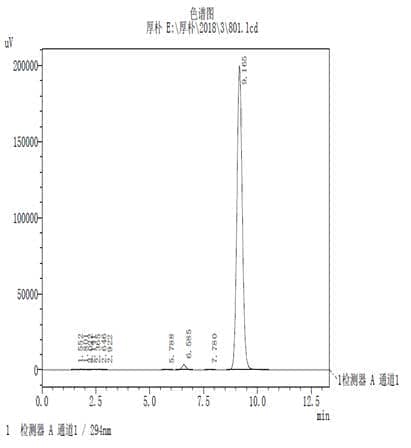
Three rows matter most for formulators. Magnolol (≥98.00%) defines the grade — a high-purity single molecule for low-inclusion dosing. Appearance (off-white to white powder) is the release description on the TDS, so formulate colour-critical formulas against the off-white baseline. Escherichia coli (≤3.0 MPN/g) with Salmonella and Staphylococcus aureus not detected is the microbial profile behind the skin-care and oral-care positioning. The Solvent Residue row (Eur. Pharm) sits on the online spec sheet — it is the compliance anchor behind Plamed's lower-solvent-residue positioning, and worth confirming on the SPEC sheet for your file.
Magnolol Benefits for Skin: Soothing, Oil Balance and Antioxidant Protection
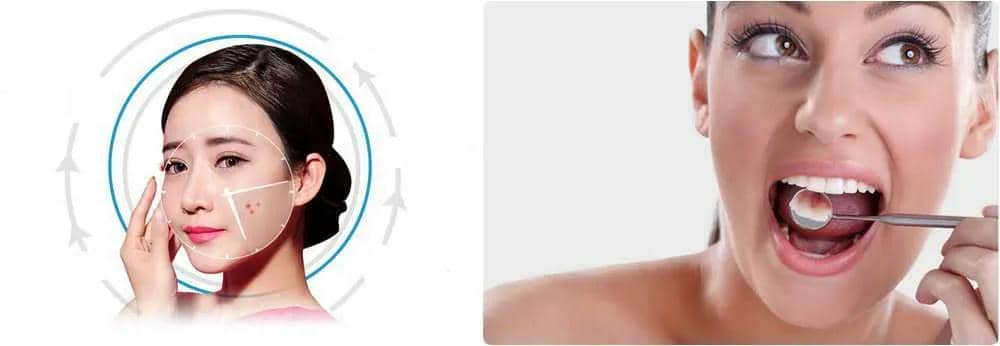
Soothing support for blemish-prone skin. In vitro, magnolol shows an inhibitory effect on Cutibacterium acnes (formerly P. acnes) and modulates inflammatory enzymes and signalling pathways including NF-κB and MAPKs; it also inhibits the biosynthesis of inflammatory mediators such as LTB4 and 5-HETE. For skincare, this is the mechanism behind magnolol's positioning in acne-prone care: it helps balance the skin's inflammatory response and calm the look of stressed skin.
Oil balance and antibacterial support. Magnolol shows a concentration-dependent in-vitro antibacterial profile. In a cream compatibility test, adding magnolol kept the appearance, aroma and pH of the formula normal — practical evidence that it slots into a formula's preservation support system.
Antioxidant protection. In vitro tests show magnolol eliminates hydroxyl radicals (81.2% at 0.2 mmol/L) and inhibits unsaturated fatty acid peroxidation (87.8% at 0.2 mmol/L), which supports its use in antioxidant day care and anti-pollution positioning.
In Vitro Study Data
Test Item | Concentration | Result |
Elimination of hydroxyl radicals | 0.2 mmol/L | Elimination rate: 81.2% |
Inhibition of unsaturated fatty acid peroxidation | 0.2 mmol/L | Elimination rate: 87.8% |
Activation of peroxidase PPAR | 100 μmol/L | Promotion rate: 206 (blank 100) |
Inhibition of NF-κB cell activity | 20 μmol/L | Inhibition rate: 61.3% |
Inhibition of IL-1 production induced by LPS | 3.123 mg/mL | Inhibition rate: 54.9% |
Inhibition of IL-6 production induced by LPS | 3.123 mg/mL | Inhibition rate: 56.3% |
How to Use Magnolol in Skincare Formulas
Magnolol in skincare concentrates on three scenarios:
Application scenario | Product types | Reference dosage |
Blemish-prone & oil-balance care | Cleanser, toner, essence, mask | 0.8–1.0% |
Soothing-repair care | Toner, essence, cream | 1.0% |
Oral care line | Toothpaste, mouthwash | 0.4% |
Reference Formulas
Bath soap
Ingredient | Content (%) | Ingredient | Content (%) |
Magnolol | 0.8 | Lauric acid | 2.5 |
KOH | 3.6 | Myristic acid | 7.5 |
Fragrance | 0.6 | Pigment | 0.001 |
Oleic acid | 2.5 | Lauryl diethanolamide | 5 |
Glycerin | 20 | Palmitic acid | 2.5 |
Aqua | Add to 100 |
|
|
External-use lotion
Ingredient | Content (%) | Ingredient | Content (%) |
Magnolol | 1.0 | Ethanol | 10.0 |
1,3-Butanediol | 4.0 | Water | Add to 100 |
Toner (reference formula)
Ingredient | Content (%) | Ingredient | Content (%) |
Magnolol | 1.0 | Ethanol | 10.0 |
1,3-Butanediol | 10.0 | Water | Add to 100 |
A note on preservation. Magnolol's in-vitro antibacterial activity can support a formula's preservation system, but whether it can be labelled as a preservative depends on your target market's regulation — verify the claim route before labelling.
Safety and Regulatory Notes
Magnolol is recognized as a cosmetic ingredient and is listed in Chinese cosmetic raw-material catalogues (including the catalogue of Chinese cosmetic raw-material standards). For labelling in your target market, verify the local ingredient status before claiming.
Quality is released against the product specification sheet (SPEC) with batch COA; the solvent-residue release limit follows Eur. Pharm.
Package and Storage
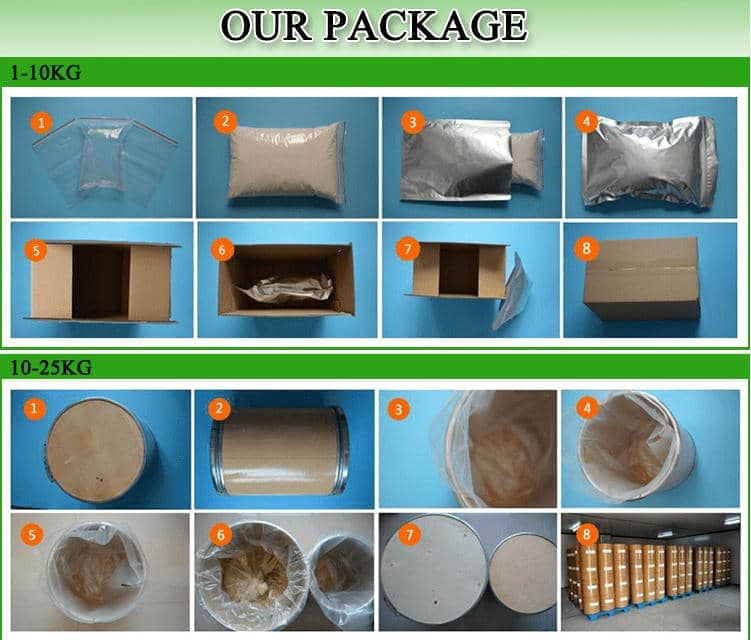
Package: Packed in 25 kg paper drums with two plastic bags inside.
Storage: Stored in a well-closed container in a dry and ventilated place, avoid sunlight and high temperature.
Buy Magnolol Powder from Plamed
Plamed is a magnolol powder manufacturer with its own magnolia plantation and an optimised, purification-led extraction process. Magnolol powder for sale enquiries from cosmetic brands and formulators are handled as B2B supply on this page — magnolol powder wholesale is quoted per quantity, grade and destination market, never retail. Wholesale magnolol powder orders ship factory-direct with batch documentation; standalone honokiol and the combined magnolia bark extract have their own product pages.
Available Document of Magnolol
Technical Data Sheet (TDS - Magnolol 98%)
Certificate of Analysis (COA)
Material Safety Data Sheet (MSDS)
Product Specification Sheet (SPEC)
Manufacturing Process Flowchart
Product Brochure & Technical Introduction
The 98% magnolol powder ships in 1 kg minimal packages with 1 kg MOQ. For samples, lead time and the full document set, contact Plamed Green Science Group here.
Magnolol: Frequently Asked Questions
Q1. What is Magnolol?
A: A phenolic active isolated from Magnolia officinalis bark, supplied by Plamed as a 98% HPLC-grade off-white to white powder (PMQD0202, CAS 528-43-8, INCI MAGNOLOL). It is the structural isomer of honokiol and one of the two signature actives of magnolia bark.
Q2. What are the magnolol benefits for skin?
A: The documented magnolol benefits are mechanism-level: in-vitro inhibitory activity against Cutibacterium acnes with NF-κB/MAPK-pathway modulation, concentration-dependent in-vitro antibacterial activity that supports oil-balance and blemish-prone care, and free-radical elimination (81.2% hydroxyl-radical elimination at 0.2 mmol/L) for antioxidant protection.
Q3. How do you dissolve magnolol in a formula?
A: Magnolol is a lipophilic polyphenol (log Pow ≈ 5 per the MSDS): pre-dissolve it in ethanol and 1,3-butanediol, then dose into the water phase — the same route used in Plamed's reference lotion and toner formulas. Quantitative solubility values are not published; the latest TDS and COA come with your sample.
Q4. Magnolol vs honokiol — what is the difference?
A: They are structural isomers: the same molecular formula (C18H18O2, 266.33 g/mol) with the two hydroxyl groups at different positions on the biphenyl skeleton. Plamed supplies both standalone (98% magnolol PMQD0202, 98% honokiol PMQD0201) and as a standardized combined extract (PMQD0204).
Q5. What is the magnolol structure?
A: A biphenyl skeleton carrying two phenolic hydroxyl groups and two allyl side chains — molecular formula C18H18O2, molecular weight 266.33 g/mol, CAS 528-43-8. The structure diagram is shown in the Overview tab.
Q6. What dosage is recommended?
A: Plamed's reference formulas use 0.8% (bath soap) and 1.0% (external-use lotion, toner). For oral care products such as toothpaste and mouthwash, the reference level is 0.4%. Final dosage depends on grade, product type and positioning — confirm with the TDS and supplier recommendation.
Q7. Is magnolol accepted as a cosmetic ingredient?
A: Magnolol is recognized as a cosmetic ingredient and is listed in Chinese cosmetic raw-material catalogues. For your target market, verify the local ingredient status before labelling — Plamed provides the SPEC, COA and MSDS to support your review.
Q8. How do I buy magnolol powder wholesale?
A: Enquiries are B2B-only: the 98% magnolol powder ships in 1 kg minimal packages with 1 kg MOQ, quoted per quantity, grade and destination market. Samples, lead time and the document set (TDS, COA, MSDS, SPEC, flowchart, brochure) are arranged through the contact page.
Related Reading
Magnolia Officinalis Bark Extract
Honokiol VS. Magnolol for Skin Benefits